
Second World War veterans have memories of VE Day brought to life
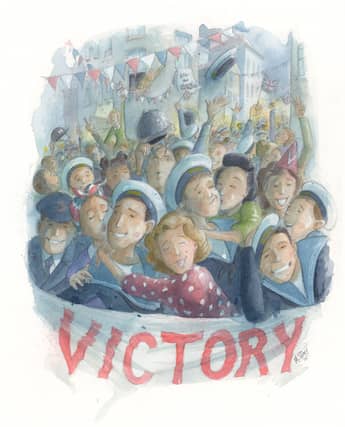

Thirteen partially sighted or blind veterans have had their memories of VE Day brought to life to mark the 80th anniversary of the end of the Second World War in Europe.
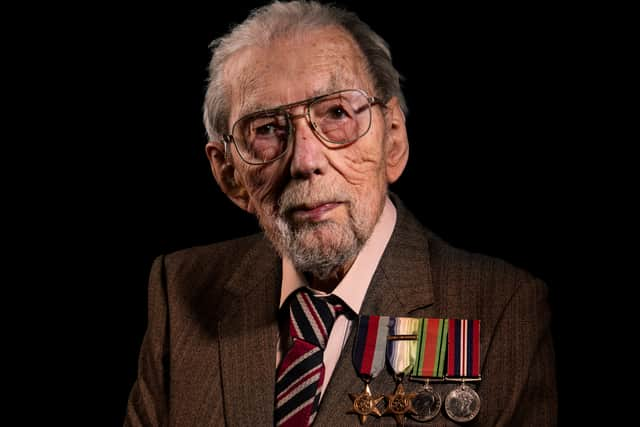
Charity Blind Veterans UK has released the illustrations, stories and photographs as part of its After the Darkness campaign, which looks to recognise their service and raise funds for war heroes living with sight loss.
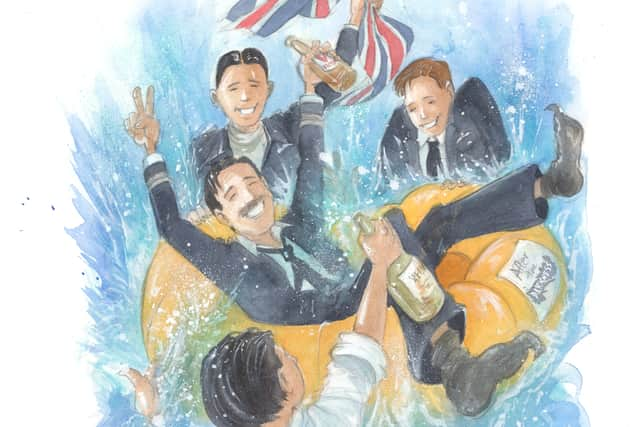
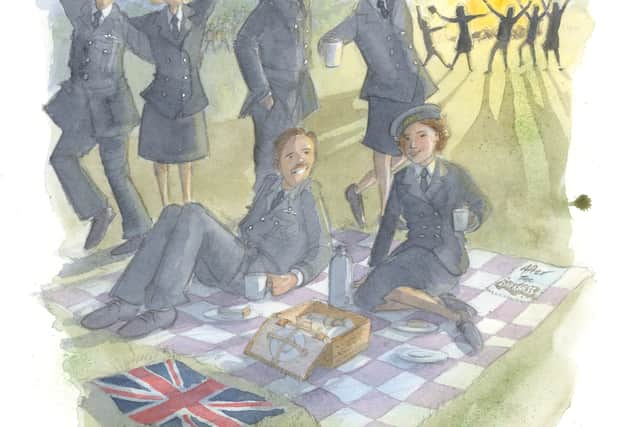
D-Day pilot John Haddock, 102, from Stourbridge in the West Midlands, who was stationed in Scotland when it was announced the conflict would end, remembered the celebrations of his sozzled squadron.
Mr Haddock said his commanding officer – Max Aitken, the son of the wartime aircraft production minister Lord Beaverbrook, got into a water dinghy and “launched” himself into the airfield’s static water pool, while his men splashed him.
He added: “It was all very schoolboy but provided much hilarity at the time.”
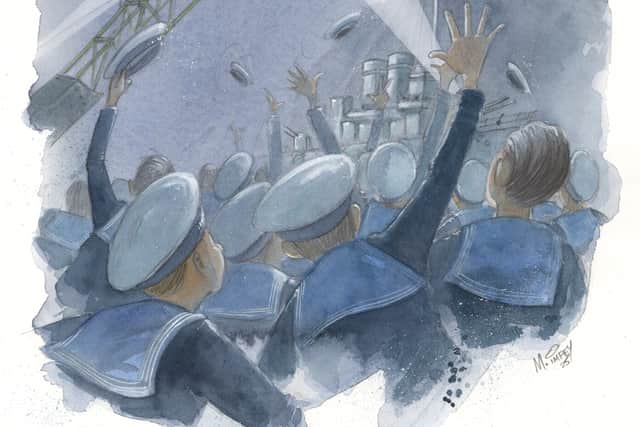
Royal Navy veteran Les Sunter, 99, of Leeds, was in Gibraltar after returning from a convoy when he learned the war was over and the crew celebrated with a few drinks.
He recalled a stoker from another ship climbing to the top of a big crane and stripping off and the other vessels putting their headlights on him.
Mr Sunter said: “He wasn’t supposed to be up there, and there was a punishment waiting for him when he come down, but he’d had too much to drink, probably.”
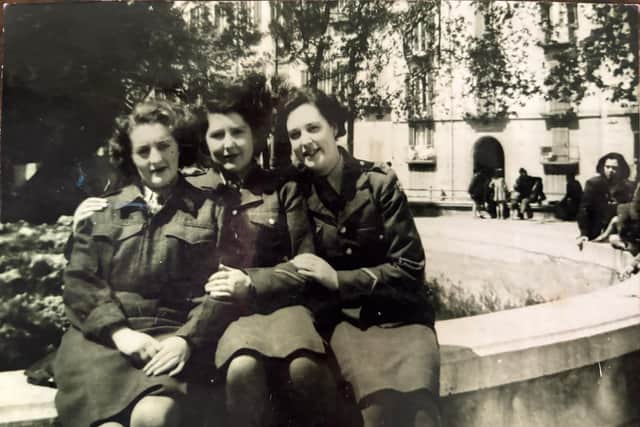
Joan Tanton, 100, of Cambridge, was serving in the Auxiliary Territorial Service (ATS) in Italy when the war ended, saying she was “thrilled to bits”.
She flew back to England for a short leave, but her mother was ill and her scheduled return to Italy was delayed.
The plane she was supposed to board crashed, killing 26 women.
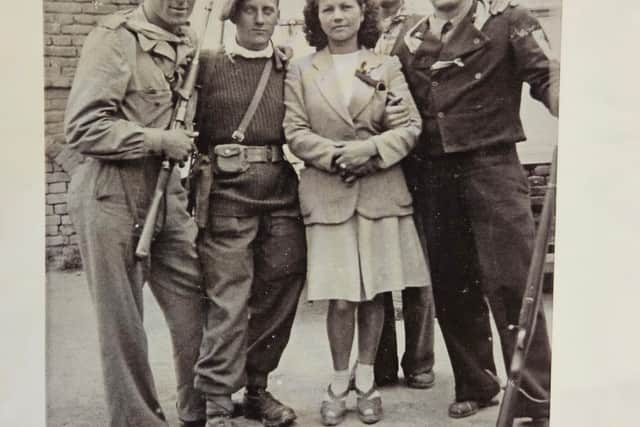
Matt McKinnon-Pattison, 100, from Penrith in Cumbria, said he was behind enemy lines in the mountains of northern Italy when the war ended.
He said: “These things you didn’t get told. It came through in drips and drabs, one way or another. Somebody would have a radio set and pick up a bit of news and then it would be passed down to you.
“There was no Army Colonel calling us all together and telling us, ‘The war is now over’. That didn’t happen.”
On VE Day, Peter Knight, 98, of Welwyn Garden City, Hertfordshire, was a 17-year-old Royal Navy radar mechanic on the Isle of Man.
Mr Knight was tasked with ensuring jubilant crowds in Douglas were behaving, saying it was “quite a task”.
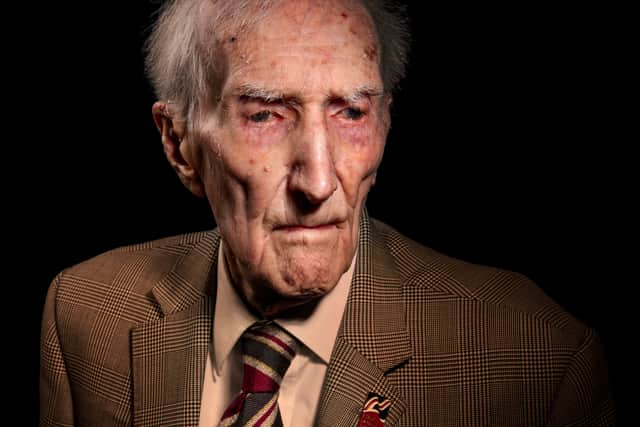
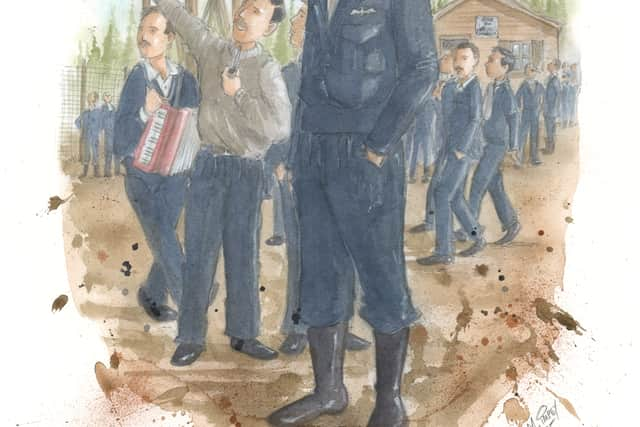
RAF pilot Derrick Grubb, 101, of Havant, Hampshire, while based in Italy in 1943, was shot down and captured as a prisoner of war and held for a year before he was forced to march hundreds of miles westwards as the German army retreated at the end of the war.
He said: “We heard the war was over, but we never heard of VE Day, as it was.
“I remember finally getting the bus home and knocking on the door – I couldn’t tell my mother I was coming as they didn’t have a telephone.
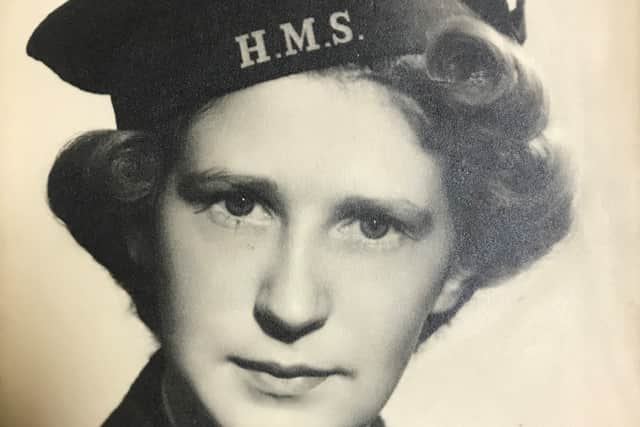
Alice Wolynskyj, 99, from Warminster, Wiltshire, joined the Women’s Royal Naval Service (Wrens) at 17 and was later assigned to secret work at Bletchley Park, operating Alan Turing’s Bombe machines to help crack enemy codes.
When VE Day came, she recalled: “We couldn’t believe it for a moment, and then… oh, we cried and laughed and danced down the corridor! No more night watch!”
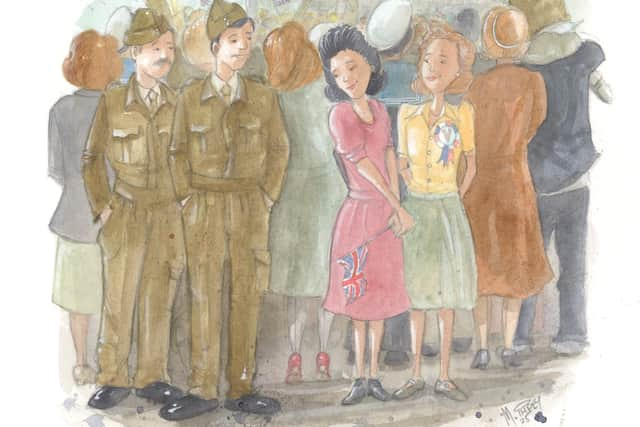
Arthur Harkness, 98, of Whitley Bay, Tyne and Wear, started training in the Royal Army Service Corps days before VE Day and remembered celebrating in Sheffield, where he first met Nancy, his wife of 71 years.
Mr Harkness said: “It was just a chance meeting, but that’s when it all started.”
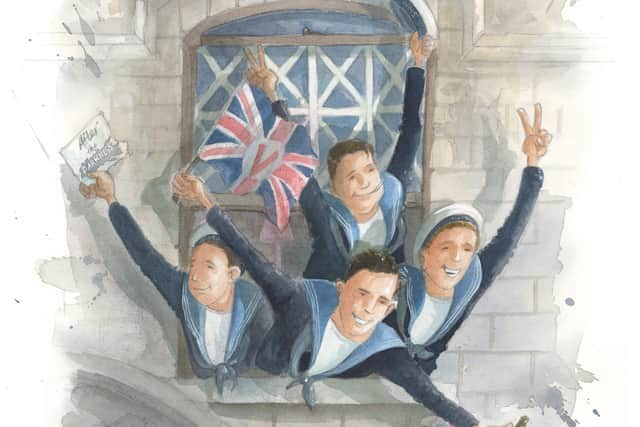
Kenneth Smith, 98, of Houghton-le-Spring near Sunderland, was a young Royal Navy stoker when the war ended.
He was drafted to Aberdeen and remembered that everyone was so “merry and happy – they were celebrating in the streets”.
The next day, he was sent off to board a ship, taking newly liberated prisoners of war home to their families, and he recalled some “terrible sights”.
Mr Smith said: “My worst experience was seeing the poor state those poor devils were in. How people can be so cruel in this world, I do not know.”
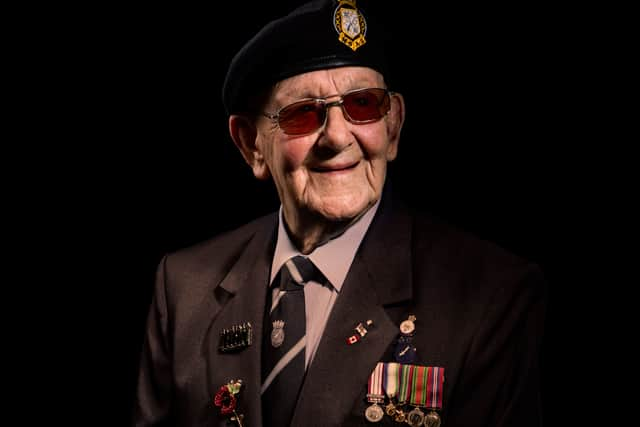
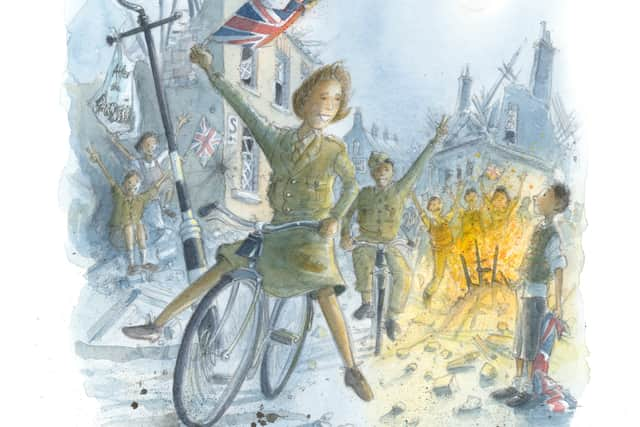
Joan Harding, 104, of Colchester, Essex, served in the ATS and cycled to a village pub to celebrate VE Day with her husband.
Neena Crossingham, of Heathfield, Sussex, who said she was one of nine ATS women with the Parachute Regiment, described her wartime service as the happiest time of her life.
The 99-year-old said that though she was pleased the war ended, she felt deep sadness at parting from friends and the camaraderie.
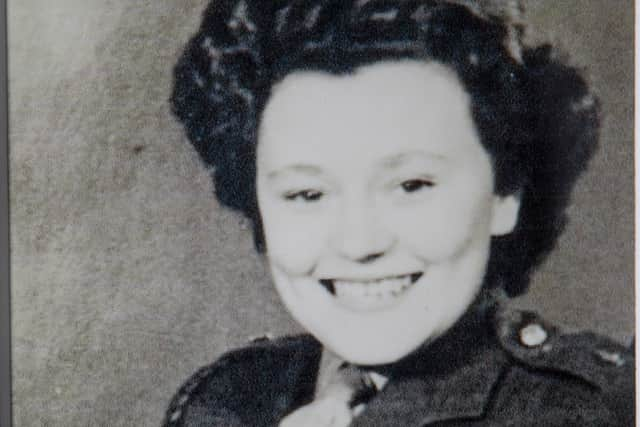
Shortly before the war ended, Ruth Hayes, 99, of Welwyn Garden City, applied for the Women’s Royal Naval Service in Ireland, receiving the reply on VE Day.
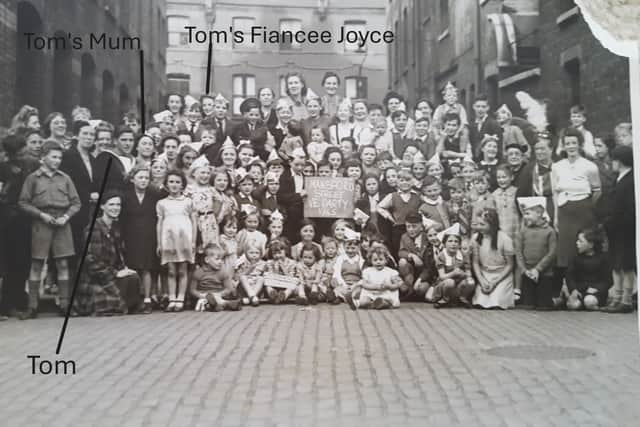
D-Day veteran Thomas Cuthbert, 99, of Colchester, was on leave in Bethnal Green, east London, when he heard the war was over and his mother threw a street tea party.
Mr Cuthbert later toasted VE Day with a few drinks back at his Isle of Wight barracks.
The watercolour illustrations were created by Martin Impey, known for his artwork interpreting one of Wilfred Owen’s war poems, who said he “jumped at the chance” to get involved.
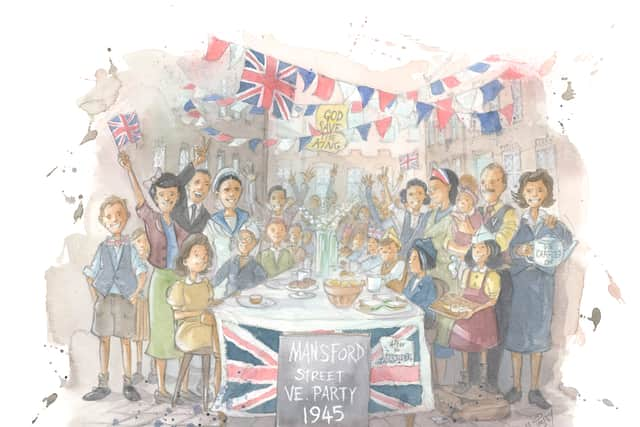
Claire Rowcliffe, director of engagement at Blind Veterans UK, said: “As darkness descends and veterans find themselves losing their independence, they can often feel isolated, helpless, and unable to cope.
“Luckily our charity is here to help them regain their confidence and independence so they can live the fulfilled, meaningful lives they so deserve.
“Each story is unique and not necessarily what one would expect. Yes, there was joy, jubilation, and partying in the streets, but there was also mourning for those who had been lost, quickly changing societal roles, and fear of the dreaded war in the Pacific.”
The thirteen veterans’ stories, illustrations, and portraits are featured in a special exhibition at The Cartoon Museum in London, which runs until June 29.