
See the stunning photos from the Wildlife Photographer of the Year awards

A tri-spine horseshoe crab gliding along the bottom of the sea has helped Laurent Ballesta win the title of Wildlife Photographer of the Year for a second time.
Horseshoe crabs have survived for more than 100 million years, but they now face habitat destruction and overfishing as they are caught for food and for their blue blood, which is used in vaccines.
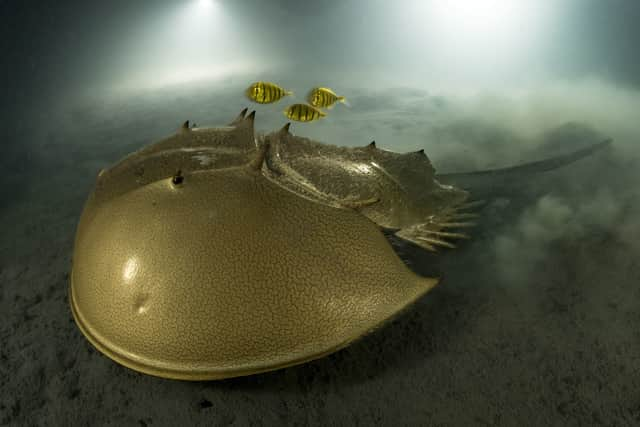
Kath Moran, chairwoman of the judging panel, described the winning photo as “luminescent”.
“We are looking at an ancient species, highly endangered, and also critical to human health.”
His first award was in 2021 for a shot of camouflage grouper fish in a swirl of eggs and sperm in Fakarava, French Polynesia.
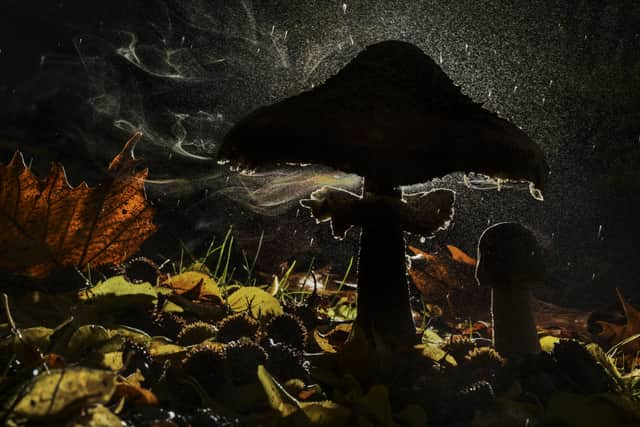
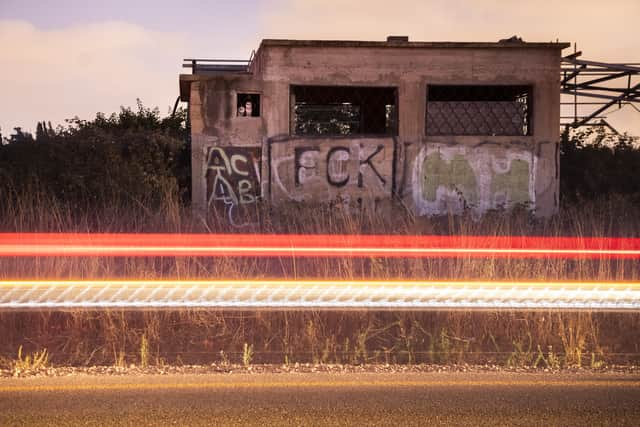
He used his family’s car as a hide with long exposure times to capture the light trails of passing traffic.
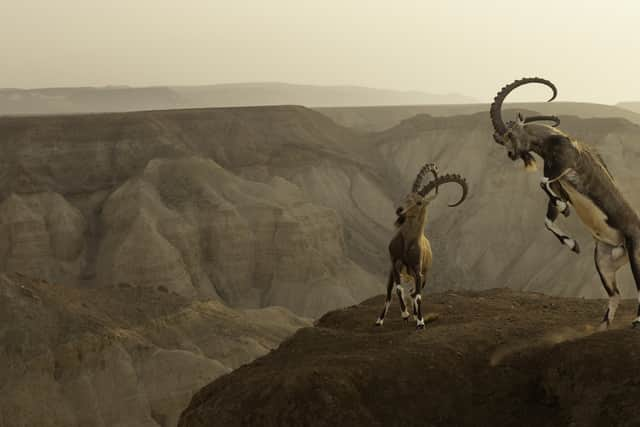
The winning photographs were selected from 49,957 original entries from 95 countries and were announced at an awards ceremony in South Kensington on Tuesday.
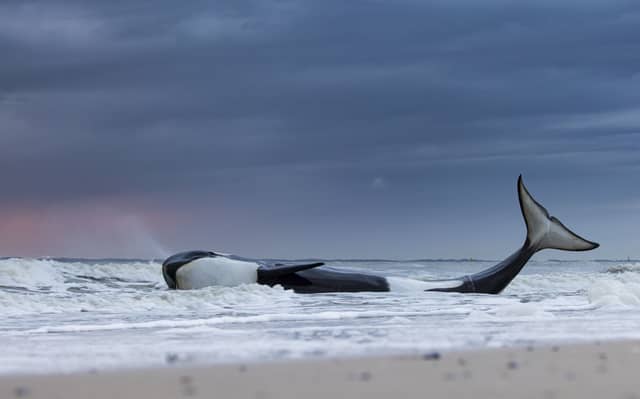
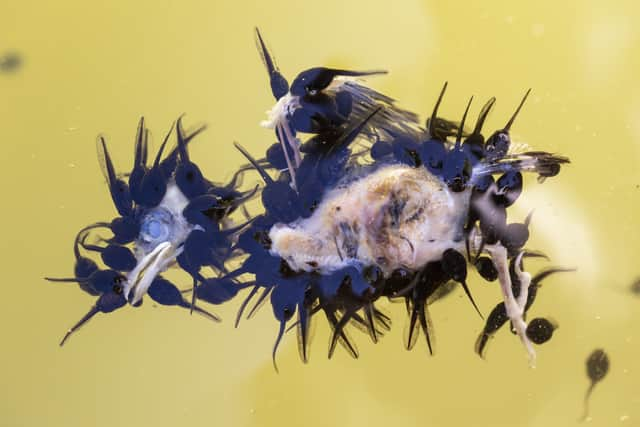
Poisoning from this industrial chemical is common in European waters despite the chemical being banned decades ago. Its unique properties mean it builds up through the food chain.
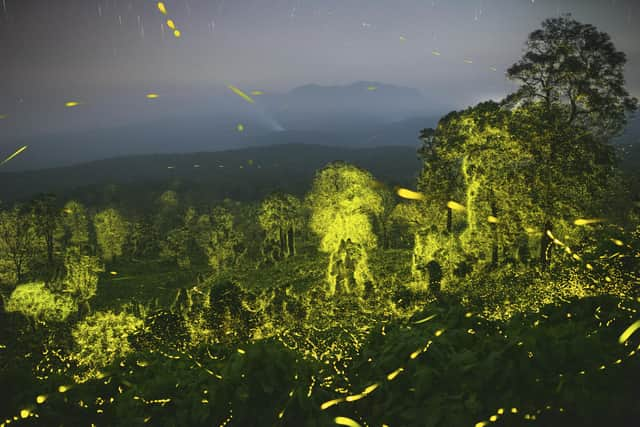
An illuminated forest in Tamil Nadu, India, won the Behaviour: Invertebrates award, with Sriram Murali showcasing how fireflies attract mates by combining 50 exposures of 19 seconds with 16 minutes of the beetles’ bioluminescence.
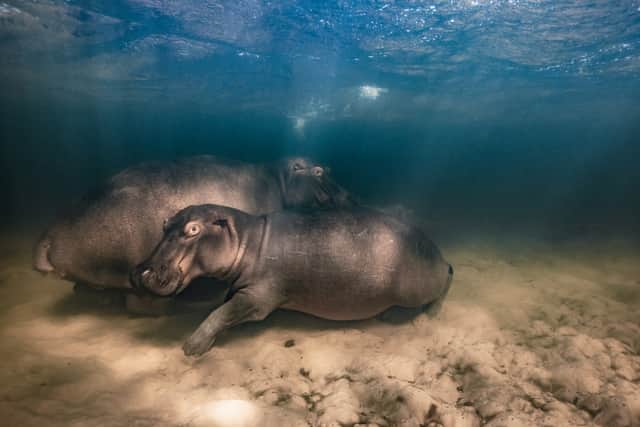
Dr Doug Gurr, director of the Natural History Museum, said: “Whilst inspiring absolute awe and wonder, this year’s winning images present compelling evidence of our impact on nature – both positive and negative.
“Global promises must shift to action to turn the tide on nature’s decline.”
Next year, the Natural History Museum will celebrate the 60th anniversary of the Wildlife Photographer of the Year award with new prizes and waiver fees for more than 100 countries. Submissions are open from October 16.