
Seven out of 10 Scots cutting back on essentials, research shows


A rising number of people in Scotland are cutting back on essentials, with figures released ahead of a special summit chaired by Humza Yousaf on tackling poverty showing that this spring seven out of 10 Scots are reducing spending on food or heating, with some skipping meals.
The Joseph Rowntree Foundation said its research showed that the number of people cutting back in such a way had increased from 65% last summer.
The latest figures, based on polling by Savanta ComRes of more than 4,200 Scots in March, showed four out of five single parents, large families and low-income households all having to make reductions in spending.
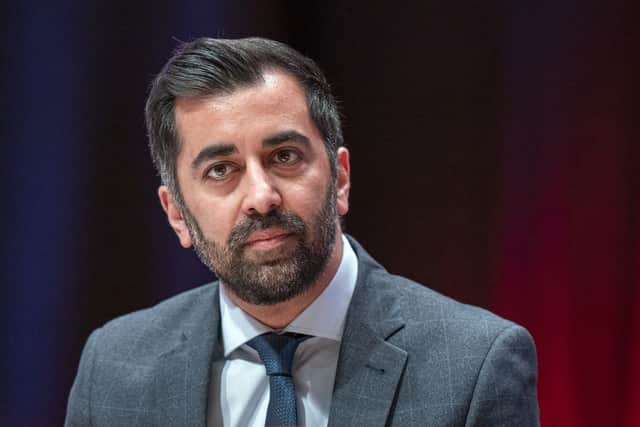
Mr Yousaf has already declared tackling poverty will be one of his government’s priorities, with a summit where “nothing should be off the table” taking place on Wednesday in Edinburgh.
With academics, campaigners and those who have lived in poverty all due to take part in that, the First Minister said he hopes the event will produce “fresh ideas about what else we could be doing”.
Speaking ahead of the summit, Mr Yousaf stated: “The Scottish Government recognises the cost-of-living crisis is putting a huge strain on households and no-one should have to make the choice between heating, eating or turning the lights on.
“Tackling poverty and inequality is the single biggest challenge facing Scotland and requires continued, urgent and sustained action.”
The First Minister added: “Today’s anti-poverty summit is an opportunity to get round the table with campaigners, businesses, the third sector, local government, representatives from Holyrood’s main political parties and, crucially, those with direct experience of poverty, to hear their views and insights.”
Chris Birt, associate director for Scotland of the Joseph Rowntree Foundation, said that “people suffering in the face of the current cost-of-living crisis will be impatient to see what follows it”.
He said the Scottish Child Payment, which awards £25 per week per child to low-income families, had shown what politicians “can do with political bravery to improve the lives of people in Scotland”.
But he also challenged the UK Government to do more, saying an “essentials guarantee” was needed to ensure that universal credit provides enough “for people to, at a bare minimum, afford the essentials”.
The Joseph Rowntree Foundation said its research showed more than half of households in Scotland had not heated their home as much as they needed over the most recent winter.
Meanwhile, the think tank said almost one in three low-income households had skipped meals or reduced portion sizes, with almost three people out of 20 in this group having been forced to use a food bank.
Figures from the Trussell Trust recently showed its food banks had given out almost 260,000 emergency food parcels in Scotland last year – the highest number it has ever given out in a single year.
The Joseph Rowntree Foundation added that its research showed a reduction in low-income families with savings to fall back on between the summer of last year and spring of 2023 – with the proportion of those with no savings at all rising from four in six to more than four in five.
With food prices rising, two fifths of these low-income families feel very financially insecure, it said.
To help, two in six Scots have tried to increase their income, by for example increasing the amount of hours they work or getting an additional job – with nearly two fifths of lower income households trying to up their income in these ways
Meanwhile, more than a quarter of low-income families have sought financial help either by applying for benefits or a crisis grant.
Speaking ahead of Wednesday’s summit, Mr Birt said: “We take heart from the fact that one of the First Minister’s first priorities has been to bring together all the parties to commit to fighting poverty.
“Ultimately each of the parties have committed to Scotland’s poverty reduction targets and building the better Scotland that meeting those targets would deliver really should be the work of the whole Parliament.”
He said there was also a “need for the UK Government to step up to help people in Scotland and across the UK with an essentials guarantee to make sure that universal credit is adequate for people to, at a bare minimum, afford the essentials”.
Mr Birt said if Westminster was to do this ministers there would “play a much stronger part in their responsibilities, which they share with the Scottish Government, to drive down poverty in Scotland”.
A UK Government spokesperson said: “We recognise the pressures of the rising cost of living which is why we have a plan to halve inflation and have provided record levels of direct financial support – £1,200 for more than eight million vulnerable households last year and up to another £1,350 in 2023/24 for those most in need, including the latest £301 Cost of Living payment for over 686,000 families in Scotland.
“This is on top of uprating benefits by 10.1% and making an unprecedented increase to the National Living Wage last month, while our Energy Price Guarantee continues to hold down people’s energy bills.
“We are also giving the Scottish Government an extra £82 million to help people in Scotland with essential costs – this is in addition to the significant welfare and housing powers they already have.”