
Shorter procession and one-way trip in Gold State Coach for King’s coronation
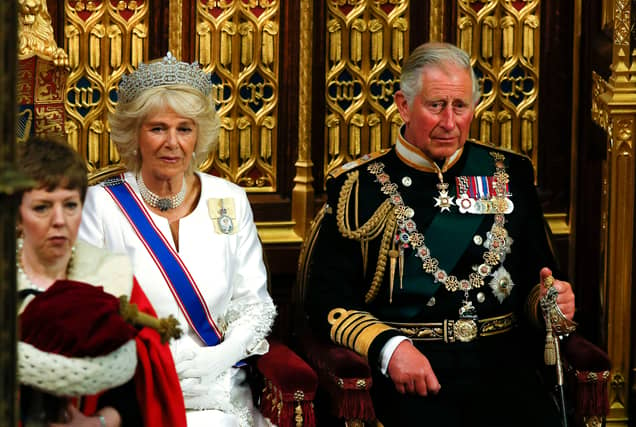

Glittering ceremonial celebrations for the King’s coronation have been unveiled, detailing the procession route, the carriages and the priceless Crown Jewels chosen to play a starring role.
Charles and the Queen Consort will travel in a shorter procession route than the late Elizabeth II and break with tradition by only using the elaborate 260-year-old Gold State Coach one way – on their return.
The monarch and Camilla have personally decided to make the 1.3 mile outward journey – known as the King’s Procession – from Buckingham Palace in the more modern, comfortable Diamond Jubilee State Coach, which has shock absorbers, heating and air conditioning.

The coronation service on May 6 will begin at 11am.
The late Queen rode both ways in the Gold State Coach for her 1953 coronation, famously describing the bumpy experience in the carriage, which is suspended on leather straps, as “horrible”.
Her outward procession was 1.6 miles long but her return procession was five miles, taking her down Piccadilly, along Oxford Street and Regent Street and Haymarket.
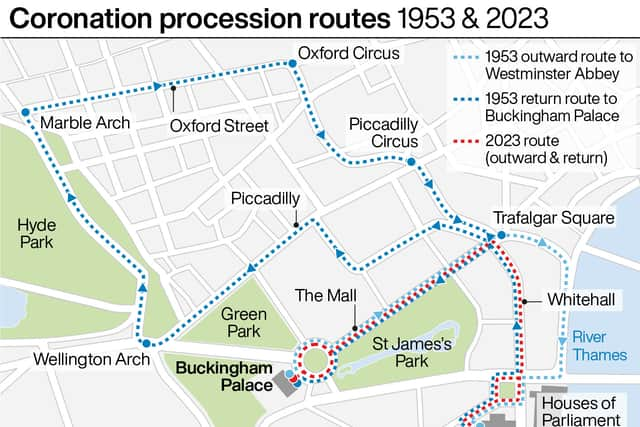
A newly crowned Charles and Camilla will instead travel just 1.3 miles back in the Gold State Coach after the ceremony, reversing their outward journey as they wave to the crowds, with the King wearing the Imperial State Crown.
The route is understood to have been chosen for practical reasons, being a familiar tried and tested journey for many royal occasions.
A Buckingham Palace spokesperson said: “The carriages chosen reflect the smaller procession to the Abbey and the larger procession back to Buckingham Palace.
“They were the personal choice of Their Majesties.”

The black and gold Diamond Jubilee carriage, built in Australia and first used by the late Queen at the State Opening of Parliament in 2014, is the newest in the Royal Mews.
It features modern technology, with six hydraulic stabilisers to stop it from swaying, and traditional craftmanship with interior wooden panels made from objects donated by more than 100 historic sites including royal residences, the Mary Rose, 10 Downing Street and the Antarctic bases of Captain Scott and Sir Ernest Shackleton.
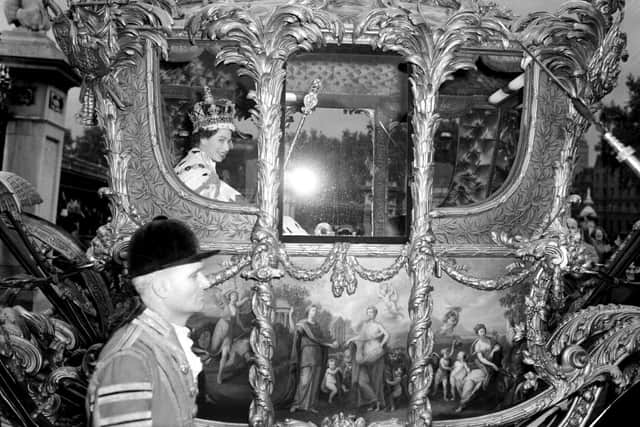
It will take longer than his outward journey because the historic gilded carriage, which will be drawn by eight Windsor greys, is so heavy it has to travel at walking pace.
Sally Goodsir, curator of decorative arts at the Royal Collection Trust, said: “The Gold State Coach will be the centrepiece of the much larger procession from Westminster Abbey back to Buckingham Palace on coronation day.

The priceless array of coronation regalia from the Crown Jewels which will be used during the religious service in the Abbey has also been confirmed.
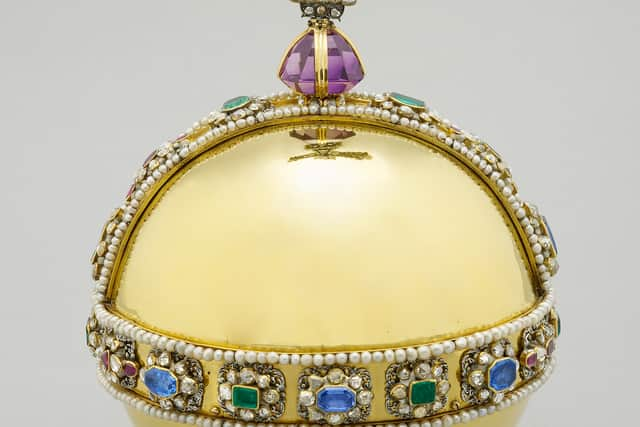
It will include the Sovereign’s Orb, the Golden Spurs, bracelets known as Armills, two maces, five symbolic swords, the Sovereign’s Ring, the Sovereign’s Sceptre with Cross and the Sovereign’s Sceptre with Dove.
Camilla will be crowned, as previously announced, with the modified Queen Mary’s Crown, but she will also hold the Queen Consort’s Rod with Dove – despite the controversial rod being made from ivory.
Camilla will also hold the Queen Consort’s Sceptre with Cross, which originally made for the coronation of Mary of Modena, Queen Consort of James II, in 1685 and is inlaid with rock crystals.
As part of the proceedings, she will receive the Queen Consort’s Ring – a ruby in a gold setting made for the Coronation of King William IV and Queen Adelaide in 1831, and used by three further Queens Consort – Queen Alexandra, Queen Mary, and the Queen Mother.
As previously announced, Charles will be crowned with the 17th century St Edward’s Crown which has been resized to fit his head.
He will switch it for the lighter Imperial State Crown at the end of the ceremony as is the custom.
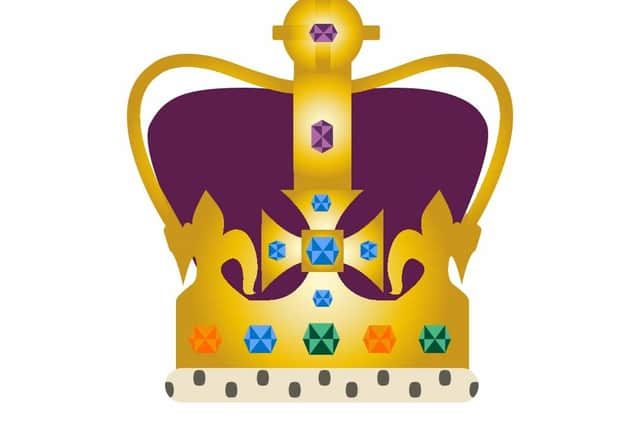
The motif of St Edward’s Crown has been specially designed to mark the weekend of coronation festivities.
The King and Queen Consort will also receive a royal salute in the Buckingham Palace gardens from the military troops on parade.
They will take the salute from the West Terrace after the ceremony and the servicemen and women will give three cheers – a special coronation tribute from the Armed Forces to the couple.