
Sniffer dog trained to detect tree disease in ‘groundbreaking’ project
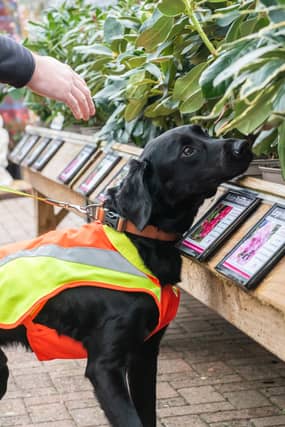

A sniffer dog has been successfully trained to detect a tree disease as part of a “groundbreaking” project to protect the UK’s woodlands.
Experts taught Ivor, a six-year-old cocker spaniel Labrador cross, to identify the highly destructive pathogen phytophthora ramorum.
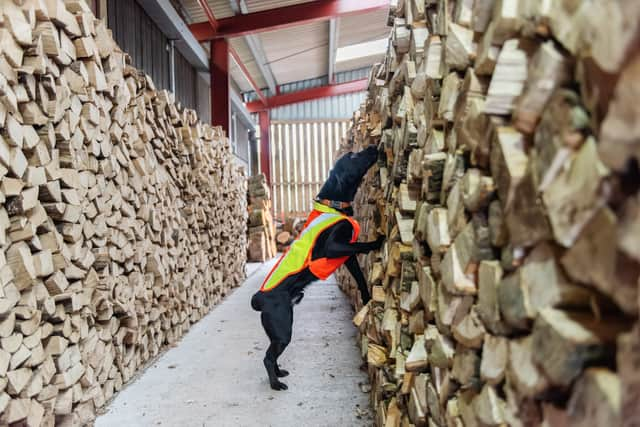
The project marks the first time sniffer dogs have been used to detect phytophthora ramorum in the UK.
It also comes as the latest step in Government action to combat the growing threat of tree diseases and pests, driven by climate change and the increase in movements of goods and people in recent years.
Phytophthora ramorum can cause extensive damage and even death to more than 150 plant species, including significant mortality on larch, which are important timber trees.
“Climate change and globalisation are increasing the number and the diversity of pests and diseases our nation’s trees and plants are exposed to.
“These new threats can cause significant damage, economic losses and in many cases tree death.”
Dr Heather Dun, pathologist at Forest Research, said: “The results from the trials have been incredibly encouraging, with a first-time 89% detection rate highlighting the huge potential of dogs in our fight against pests and diseases.
Canine Assisted Pest Eradication director Luke Jones said: “We believe that innovation drives progress.
“We’re passionate about discovering the potential of detection dogs, who are one of nature’s ‘super-computers’.”
Detection dogs have previously been used to tackle the outbreak of the Asian longhorn beetle pest in Paddock Wood, Kent, in 2012.
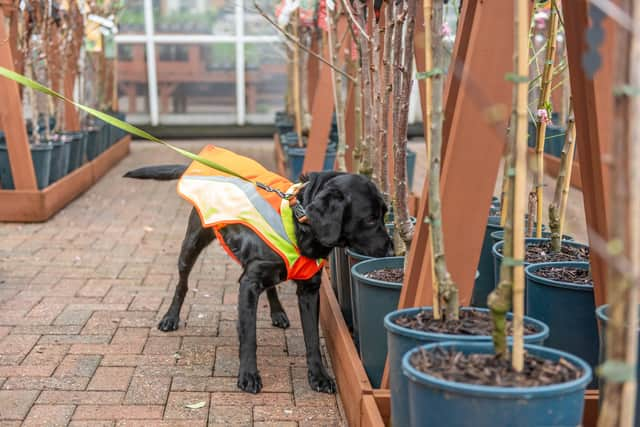
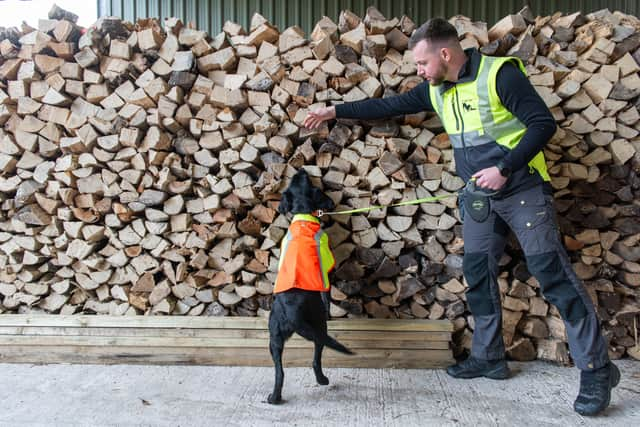
Ivor was trained using a variety of detection training techniques including initial scent recognition, Forestry Research said.
Following the success of the initial trials, Forest Research is now exploring the use of detection dogs to help combat other pests and diseases such as Ips typographus, also known as the eight-toothed spruce bark beetle, fulfilling commitments set out in the Government’s plant biosecurity strategy.