
Sri Lanka extends curfew after violence and prime minister’s resignation


Sri Lankan authorities have extended a curfew for another day as sporadic violence and arson continued – with pro-government mobs attacking peaceful protesters and security forces being ordered to shoot those causing injury and damage.
Nationwide protests have been calling for the resignations of President Gotabaya Rajapaksa and his brother, who stepped down as prime minister this week, over a debt crisis that has nearly bankrupted Sri Lanka and left its people facing shortages of fuel, food and other essentials.
There was no confirmation on their whereabouts, but some protesters gathered outside a well-fortified naval base in Trincomalee on the north-east coast claiming the Rajapaksa family was being protected there.
The Indian Embassy denied social media speculation that “certain political persons and their families have fled to India”, and also rejected speculation that India is sending troops to Sri Lanka.
The country reaffirmed its support to Sri Lanka on Tuesday, saying India has extended support of 3.5 billion US dollars (£2.84 billion) to help it overcome the crisis, as well as send essential items like food and medicine, the Ministry of External Affairs in New Delhi said.
President Rajapaksa remained in his official residence protected by layers of iron barriers guarded by the military and police.
On Monday, supporters gathered in the prime minister’s official residence to urge him to stay in office.
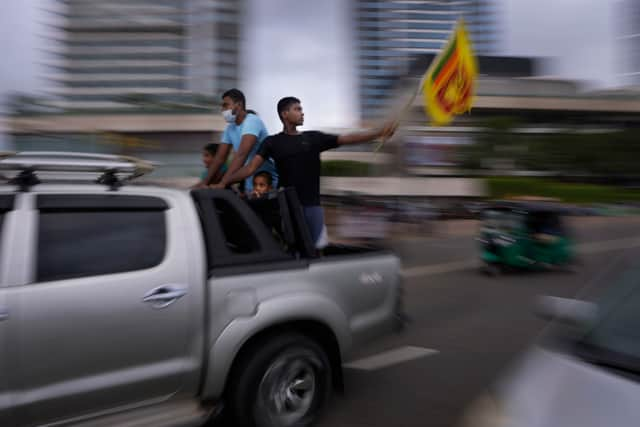
Across the country, angry citizens responded by attacking government supporters and ruling party politicians.
Eight people including a ruling party politician and two police officers were killed and 219 were injured in the violence, the defence ministry said.
In addition, 104 buildings and 60 vehicles were burned.
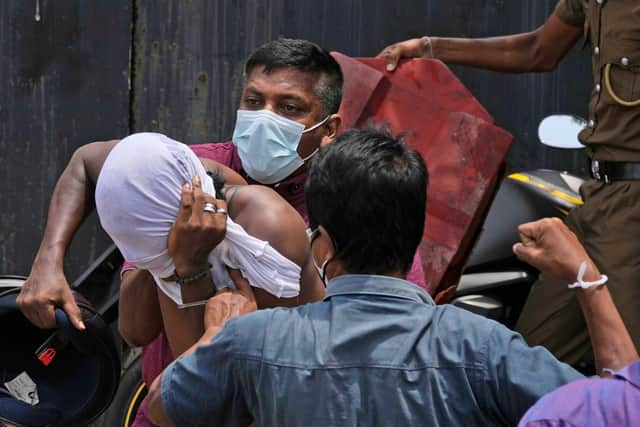
Pro-government mobs were chased, beaten and stripped.
Some who were pushed into a lake were not allowed to get back to ground for hours.
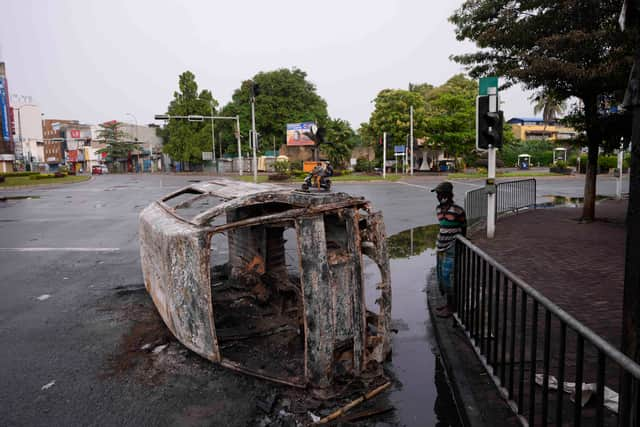
Toppled buses were still smoking across the capital, Colombo, as protests continued.
Homes of government supporters were attacked and some businesses were set on fire, though the personal violence subsided.
Sri Lanka is nearing bankruptcy, having said it is suspending payment of £5.7 billion of foreign loans it was due to pay this year out of a £20.3 billion due by 2026.
Its total foreign debt is £41.3 billion.
The shortage of foreign currency has led to fewer imports and acute shortages of essentials from food to cooking gas, fuel and medicine.
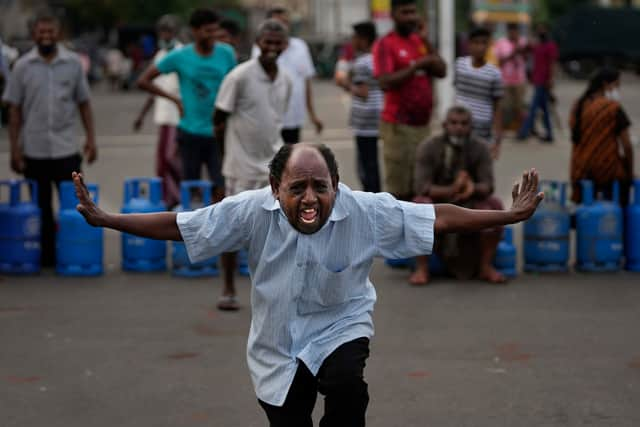
Protesters blamed the Rajapaksa brothers’ alleged corruption and style of administration for the economic crisis.
The prime minister’s resignation has created an administration vacuum with no Cabinet, which dissolved automatically with the resignation.
The President is under pressure to appoint someone who could unite everyone as the prime minister, give much of his power to Parliament, and resign.
The void has also created fears of a military takeover, especially if the violence continues.