
Sri Lanka’s parliament approves state of emergency


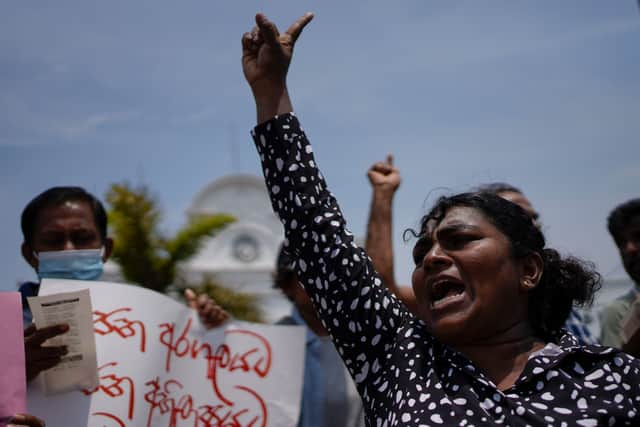
Sri Lanka’s parliament has approved a state of emergency that had been declared by President Ranil Wickremesinghe as his government cracks down on demonstrators it accuses of violence while trying to find a way out of the country’s worst economic crisis.
The vote passed 120-63 in the 225-member parliament. The other legislators abstained.
The decree, which gives the president the power to make regulations in the interests of public security and order, has to be approved every month.
Mr Rajapaksa fled Sri Lanka after thousands of protesters stormed the president’s official residence and other buildings.
He later resigned from Singapore.
Ruling party members who back Mr Wickremesinghe said that while protests were reasonable at the beginning of the crisis, groups that do not believe in parliamentary democracy and want to capture power through unconstitutional means had infiltrated the demonstrators and were creating disturbances.
Opposition parties criticised the emergency as a government move to stifle dissent.
Within a day of Mr Wickremesinghe’s election, the military raided and dismantled the camps the protesters had set up for more than 100 days opposite the president’s office.
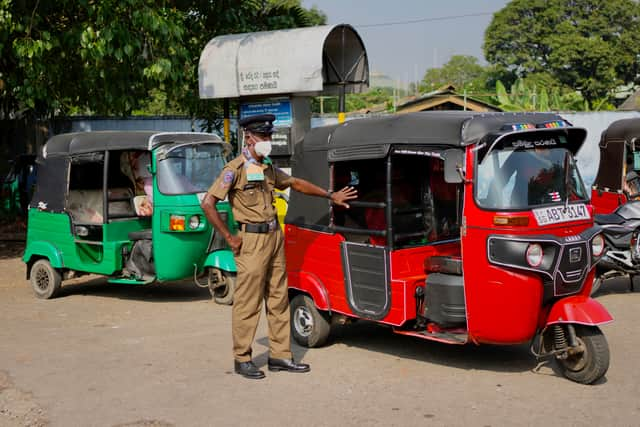
Courts issued travel bans against six protest leaders and some were arrested.
On Tuesday, police arrested a man accused of entering the state television station during massive rallies on July 9, ordering employees to air programmes supporting the protests and causing a brief disruption in transmission.
He was pulled out of a plane while trying to leave for Dubai.
Four other protesters were arrested for trespassing in the area of a former prime minister’s statue after police had secured a court order prohibiting people from entering the area, fearing the monument may be damaged.
Sri Lankans have been protesting for months demanding Mr Rajapaksa’s resignation and holding him and his powerful family members responsible for the country’s economic crisis.
Some also oppose Mr Wickremesinghe’s election, saying he is too close to Mr Rajapaksa.
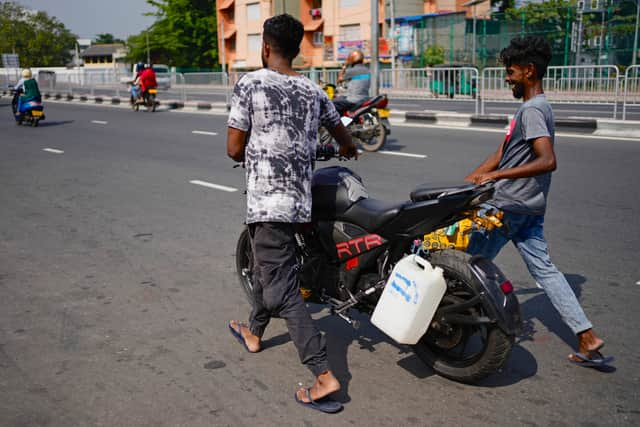
Sri Lanka is bankrupt and has suspended repayment on its 51 billion dollar (£42 billion) foreign loans, of which 28 billion dollars (£23 billion) must be paid by 2027.
The crisis has led to severe shortages of fuel, cooking gas and medicine and long lines for essential supplies.
The government is in the process of preparing a debt restructuring plan, a condition for an agreement with the International Monetary Fund for a bailout plan.