
Student training to become first deafblind climber to reach summit of Everest before losing her sight completely
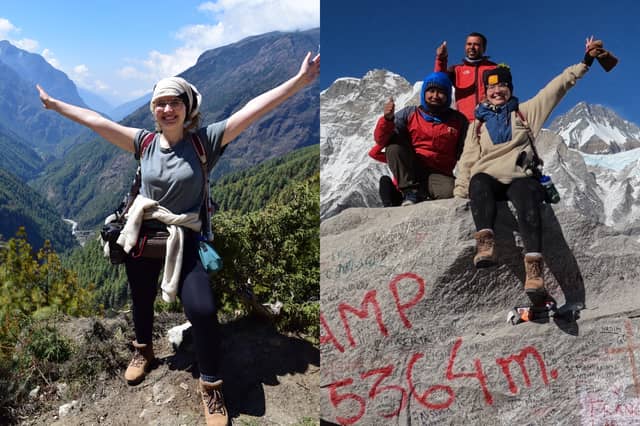

A British student hopes to become the fist deafblind person to reach the summit of Mount Everest after reaching base camp last year and deciding she must make as many memories as possible before she risks losing her sight for good.
Karolina Pakenaite, a 28-year-old PhD student in Computer Science at the University of Bath, plans on climbing the highest mountain on Earth in April 2026 after completing a series of “warm-up challenges”.
These include climbing three of the world’s highest peaks, running the London Marathon and attending an ice climbing training course in Scotland.
Upon learning that one day she could lose her sight completely, Karolina decided there was no time to waste and embarked on a quest to make precious visual memories while she still has some vision.
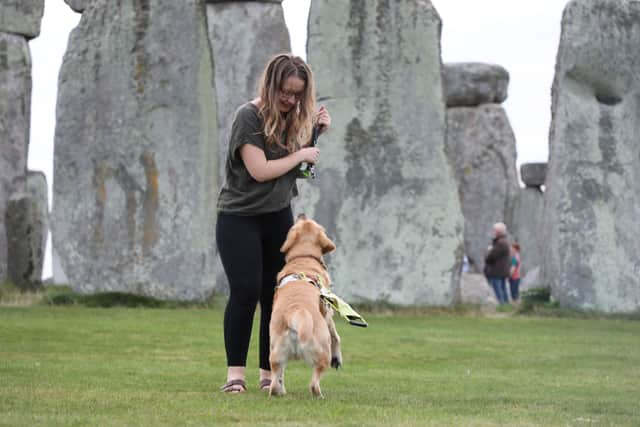
She currently has limited peripheral vision and experiences night blindness, and therefore relies on her guide dog, Bosley; a cane, or guide to help her get around.
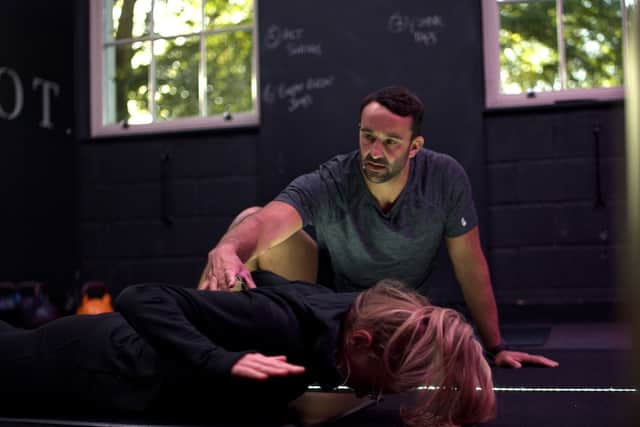
If all goes to plan, she will become the world’s first deafblind person to reach the summit of Mount Everest in April 2026 and has already started “intensive” physical training.
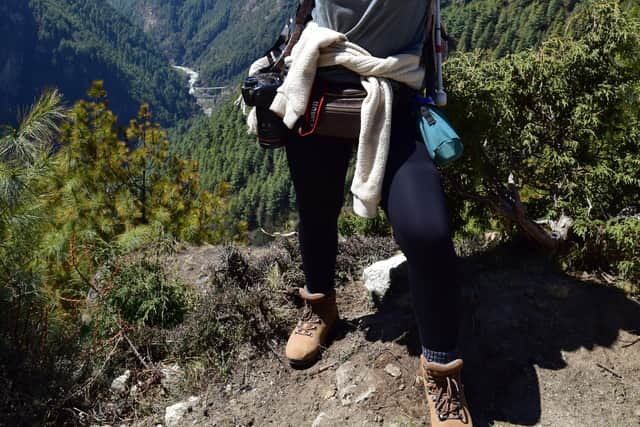
“I was initially really sad about my diagnosis, but the future looked much brighter if I had many memories to look back on,” she said.
“I therefore took every opportunity to travel and see the world as much as possible before I might lose my sight completely.
“I think the biggest challenge is going to be maintaining continuous mental strength.
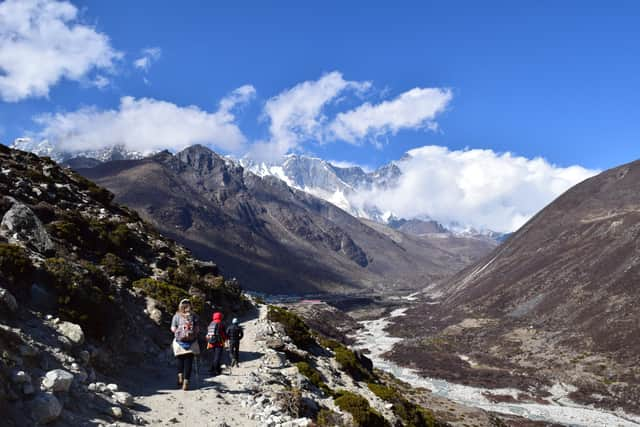
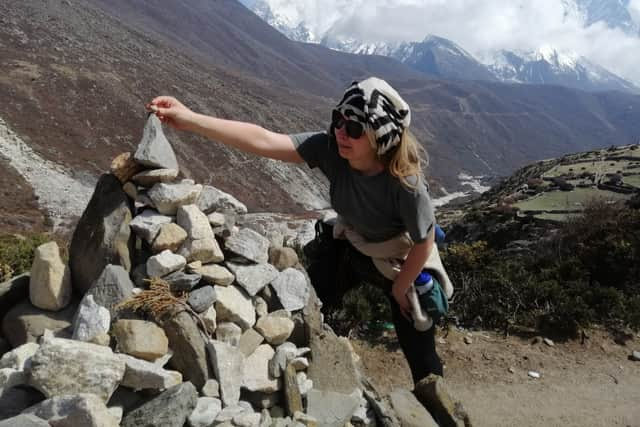
In 2018, Karolina embarked on a three-day hiking trip to Poon Hill in Nepal with the charity VoluntEars, where she was involved in a PhD project helping deaf students volunteer abroad.
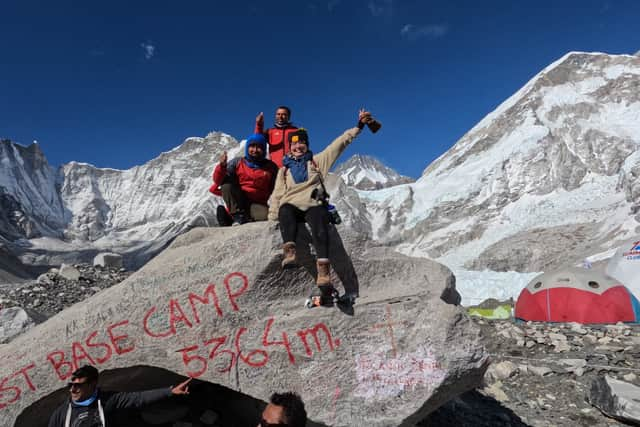
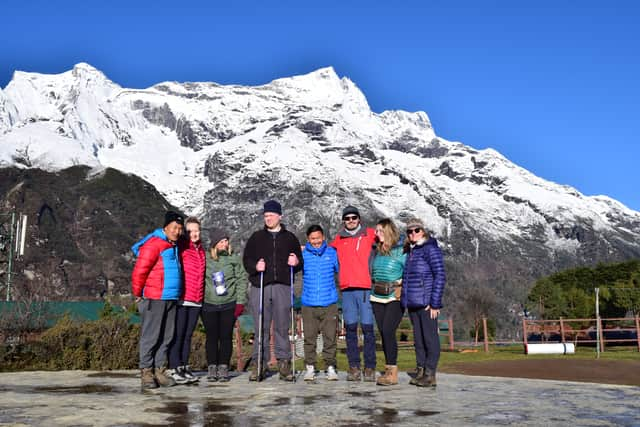
She joined another expedition in May 2023 to Everest base camp with a diverse group of sighted, hearing and deaf climbers.
Karolina started thinking about the challenge after hearing about another group of deaf climbers who were headed for the summit.
Among them was Scott Lehmann and Shayna Unger, the first two deaf Americans climbers to achieve the incredible feat.
“The idea of climbing Everest initially seemed like an impossible dream, but my trek to base camp ignited a spark of possibility,” said Karolina.
“Hearing about how they had managed to fund their climb got me thinking.
“It also dawned on me that I, too, could be the first, and that there was a story I could tell.”
After returning to the UK, Karolina reached out to a number of companies for support but had low expectations on what was possible.
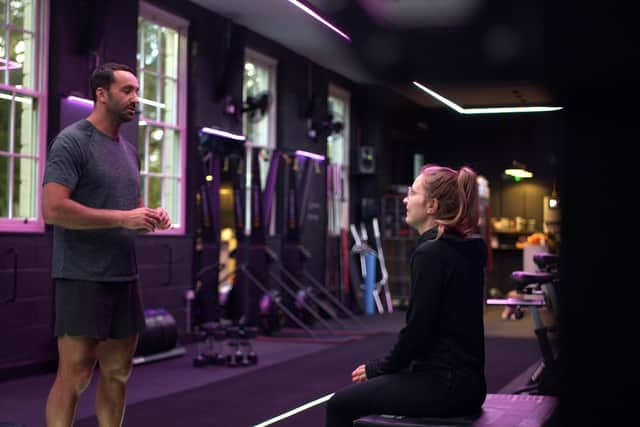
Before attempting to climb the world’s highest mountain, Karolina has set herself seven milestones, the first being the Bath half-marathon which she completed in October 2023.
Next is a one-to-one ice climbing course in Scotland due to take place next month, followed by the London Marathon in April and three peaks in 24 hours challenge in June.
Karolina then plans on climbing South America’s highest peak, the 6,962m (22,841ft) Aconcagua, in November 2024; as well as reaching the Denali summit, North America’s 6,190m (20,310ft) equivalent in June 2025.
Provided all goes well, Karolina should be ready to face Everest in April 2026, but part of the challenge is securing enough funding.
“Summiting Everest looks different for each individual depending on training, the team, weather conditions,” she said.
“It usually takes people around two months to (reach the) summit from the base camp.
“As a deafblind person, I will need a dedicated support team, which means the expenses could be more than double.

To help fund her expedition, Karolina has launched a fundraiser on GoFundMe which has received £2,536 in donations.
“There have been moments when I felt isolated in the face of challenges, even in the day-to-day struggles of being deafblind,” she said.
“Every person who donates feels like a member of a huge wider team that motivates me and inspires me to keep going.”
But the climb is one of the most dangerous in the world and it is estimated that more than 330 climbers have lost their lives attempting to reach the summit, or return from it.
Karolina’s friends and family were initially “very worried” but after seeing her reach base camp, they are now onboard.
“I don’t want to change anyone’s mind because I respect their worries. I know this is a very big risk that I will be taking, not just for myself, but for my team as well, and everyone around us.
“I don’t really know why exactly, but after seeing my journey so far, since the Everest base camp trek when I started documenting it all, it seems that they changed their hearts and are now rooting for me and supporting me in any way they can.”
To support Karolina visit: www.gofundme.com/f/deafblind-everest-project