
Support for SNP down but pro-independence sentiment up slightly, poll suggests
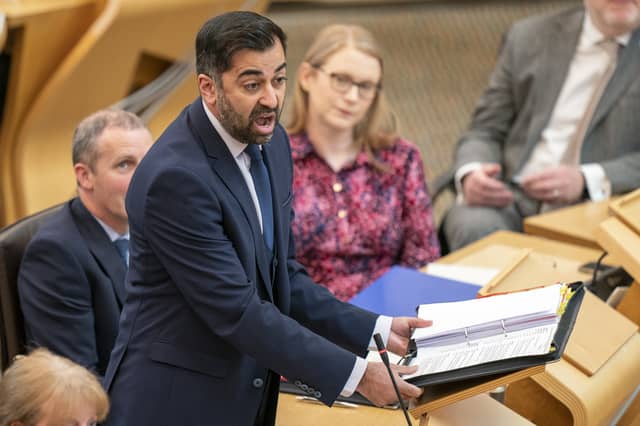

Support for the SNP has dropped, a new poll suggests, while support for independence has slightly increased.
A new Survation poll for the consultancy firm True North of 1,009 Scots between April 27 and May 3 shows support for the SNP at a Westminster election dropped to 38% from 40% in a survey by the same company last month.
Similarly, the party’s constituency vote at a Holyrood election dropped from 42% to 39%, and from 35% to 32% in the regional list vote.
Both men were subsequently released without charge, pending further investigation.
According to the poll, a net -22% of respondents said they would be less likely to vote for the SNP as a result of the investigation, while a net 17% said they would vote Labour because of the probe and – perhaps surprisingly – a net of -14% said they were more likely to vote for Alba, the second most popular independence supporting party led by former SNP leader Alex Salmond.
But despite support dropping for the SNP – the leading independence party for more than a century – the number of decided respondents who said they would back independence at a referendum was 48%, compared to 47% in the last poll.
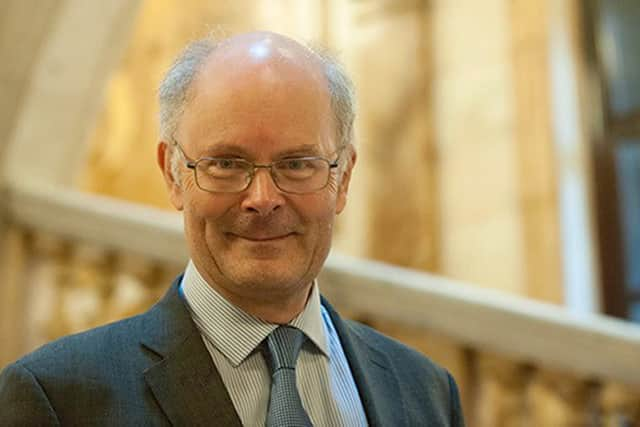
Speaking on the Holyrood Sources podcast – where the poll was exclusively published – expert Professor Sir John Curtice said the results show “the SNP are losing the support of those who still believe in independence”.
He added: “The SNP have to work out for themselves how are they going to improve their popularity as an institution.
“That’s their first job, before they get anywhere close to beginning a campaign to increase their level of support above the 50% mark, which of course is the ultimate destination.
“The one penny that’s dropped within the SNP in the course of the leadership election is you don’t hold a referendum until you know what the result is going to be, and at the moment neither side know what the result is going to be, therefore holding a referendum is not in the interest of either side.”
The poll also suggested First Minister Humza Yousaf may be struggling for support within his party, despite less than six weeks in the job.
Mr Yousaf boasted just a 21% net favourability rating within his own party, with the figure dropping to -13% in the rest of the country.

“Again, look at how narrow his victory was in the leadership election amongst the membership, even though he had the vast majority of public endorsement from SNP MPs and MSPs.”
The expert said the result of the leadership election – which saw Mr Yousaf defeat Kate Forbes and Ash Regan with 52% of the vote – was an example of the “remarkable disconnection” between elected SNP politicians and members.
Speaking to journalists at an energy conference in Glasgow on Wednesday, the First Minister addressed the poll, saying despite “some of the most difficult six weeks”, the party is still ahead of all others.
“Despite all that negative attention, we are still leading and the most trusted by the people of Scotland,” he said.
“We will not take that trust for granted, and I want to continue to build on that.”