
Surprise inflation drop prompts calls for Bank to pause interest rates
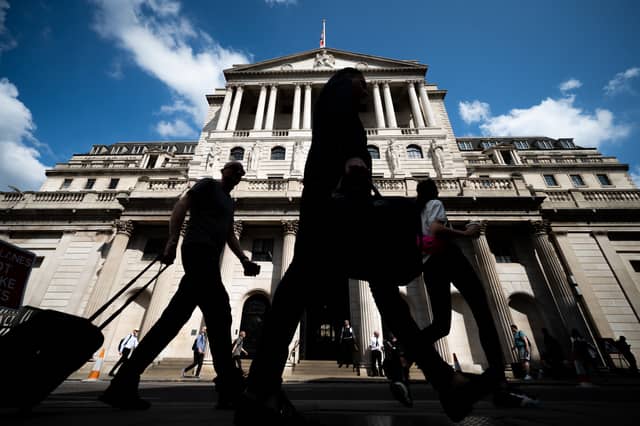

Pressure on the Bank of England to pause interest rate hikes is building after official figures showed a surprise easing of UK inflation last month.
Business groups have joined the calls on policymakers to keep interest rates as they are ahead of the latest decision, due to be announced on Thursday.
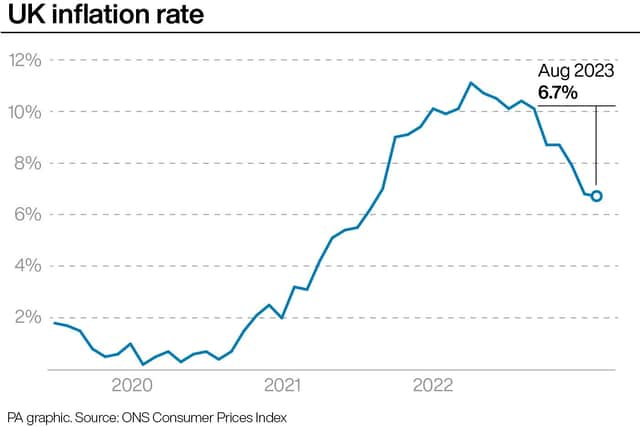
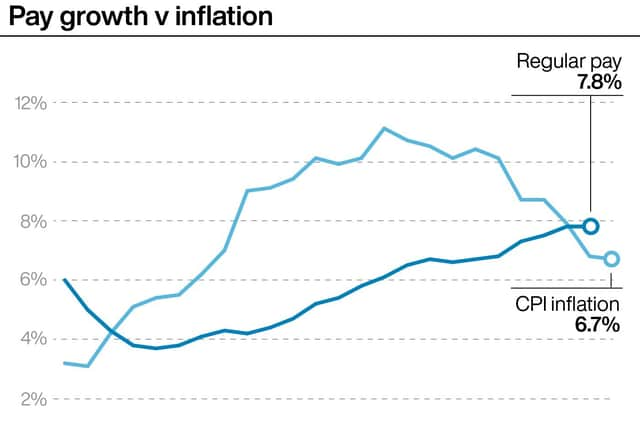
It comes after the rate of Consumer Prices Index (CPI) fell to 6.7% in August, down from 6.8% in July, and the lowest rate since February last year.
Analysts, and the Bank of England, had predicted inflation to accelerate last month to a reading of 7.1% due to a sharp rise in motor fuel amid a rebound in oil prices.
The new inflation data prompted market expectations over whether the Bank will raise interest rates to 5.5% on Thursday, from the current level of 5.25%, to shift.
An 80% expectation of rates rising fell to around 50% after the figures were released, AJ Bell said, indicating that analysts are divided over how the Monetary Policy Committee (MPC) could vote.
He said: “This surprising drop in inflation suggests that the UK is winning the battle against soaring prices.
“Although interest rates will probably rise on Thursday, additional tightening unnecessarily risks aggravating the financial struggles facing households and businesses, given the long time lag between rate hikes and their impact on the real economy.”
Martin McTague, the FSB’s national chairman, said: “With signs that interest rate rises are starting to bite, tomorrow’s base rate decision by the Bank of England has to be the peak for rates, one way or another.
“Leaving rates high for longer than needed will devastate the chances of an economic recovery.”
Paul Nowak, trade union TUC’s general secretary, said a halt to rate rises is “long overdue”, adding: “Pushing interest rates so high that the economy is driven into recession will only make the current crisis worse, costing people their jobs and their homes.”
Nevertheless, some economists think that the Bank could vote for a hike because it will pay attention to other important factors, such as wage growth and services inflation which remain elevated.

Chancellor Jeremy Hunt claimed the fall in the CPI rate shows “the plan to deal with inflation is working – plain and simple”.
He added: “But it is still too high which is why it is all the more important to stick to our plan to halve it so we can ease the pressure on families and businesses.
“It is also the only path to sustainably higher growth.”
The Government in January pledged to halve inflation from 10.7% to around 5.3% by the end of the year.
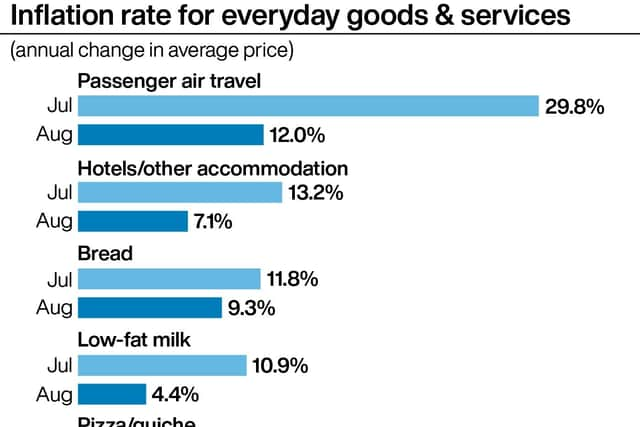
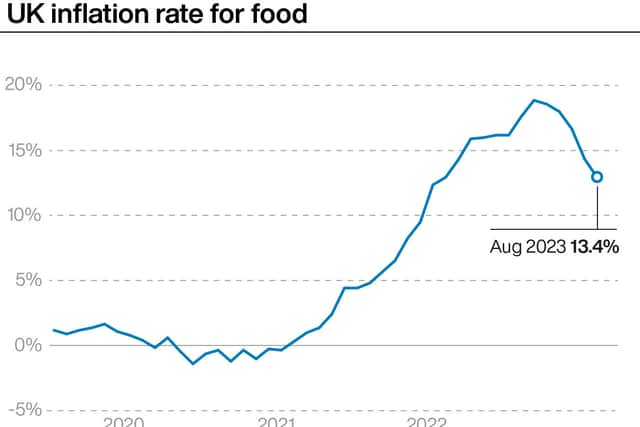
Food prices increased to 13.6% in August against the same month last year, easing back from 14.9% growth in July, with the largest falls coming from milk, cheese, eggs, vegetables and fish.
Meanwhile, the average price of petrol rose by 5.3p per litre between July and August – compared with a much sharper drop in prices last year from a record high in July 2022.
The latest figures also showed the CPI measure of inflation including housing costs (CPIH) fell to 6.3% in August, down from 6.4% in July.
The Retail Prices Index inflation rate was 9.1% in August, up from 9% in July.
Grant Fitzner, the ONS’s chief economist, said: “The rate of inflation eased slightly this month driven by falls in the often-erratic cost of overnight accommodation and air fares, as well as food prices rising by less than the same time last year.”