
Teenage pregnancy rate in Scotland falls to lowest level


The teenage pregnancy rate in Scotland has fallen for the 13th consecutive year – reaching its lowest level since records began.
A report by Public Health Scotland puts the rate at 23.9 per 1,000 women under 20 years old in 2020 – the equivalent of 3,300 pregnancies.
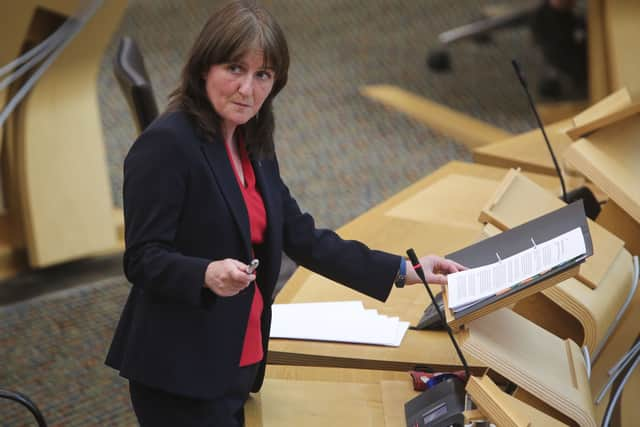
“The ongoing dedication and support of community, health and education services means that rates are at their lowest level since reporting began in 1994.”
The report also showed that teenage pregnancy rates have fallen rapidly in the most deprived areas which has helped to narrow the gap between the most and least deprived areas.
However, in 2020, those living in the areas of the highest deprivation still had teenage pregnancy rates five times higher than those in the most affluent areas, with a rate of 44.9 per 1,000 women, compared to 9.
Termination is also becoming an increasingly common option for women under 20, as the report showed it is a slightly more popular choice than delivery.
Teenage women from the most deprived areas are more likely to deliver than to terminate their pregnancy, in contrast with their least deprived counterparts.

It addresses the fundamental causes of pregnancy in teenagers and highlights key factors for supporting young people who are vulnerable to pregnancy including education, training and employment, and the importance of positive relationships.
Ms Todd added: “Through the delivery of the strategy, we are working to ensure that young parents have the support they need, to help them to reach their full potential and better lives for themselves and for their children.
“We are continuing to provide support to young, first-time mothers aged 19 and under through the Family Nurse Partnership (FNP) programme. The programme aims to improve pregnancy and birth experience, child health and development and the economic stability of the family.
“Over 10,000 young mothers have benefited from FNP since it began, and over 6,000 have graduated.
“The programme reaches those most likely to be of the greatest need, with over 70% of those taking part living in more deprived areas.”