
The controversy that surrounded Camilla using the title Queen


Eleven years ago when the Duchess of Cornwall visited a children’s centre in Wiltshire, she was asked by an eight-year-old: “Are you going to be queen one day?”
Looking a little shocked, Camilla replied with the quip: “You never know.”
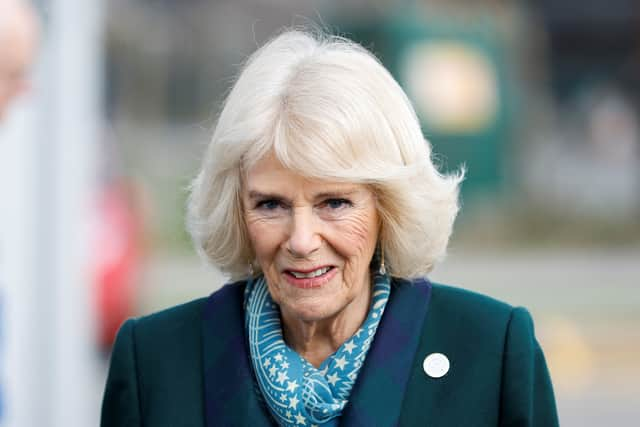
There was fierce debate and controversy in the run up to Charles and Camilla’s wedding 17 years ago over whether the then-Mrs Parker Bowles would one day be Queen.
The wife of a king automatically becomes a queen consort and only a change in legislation will prevent her from doing so.

But the careful use of the verb “to intend” left this open to change in the future.
Any mention of “Princess Consort” was removed from Charles’s website during a revamp in 2018.
At the time of the couple’s royal wedding, the prince’s advisers argued that Camilla would simply choose not to call herself queen and be known as Princess Consort.
But the Government and other experts said that unless there was a change in the law, Camilla would still legally become queen when Charles became king, no matter what she chose to call herself.
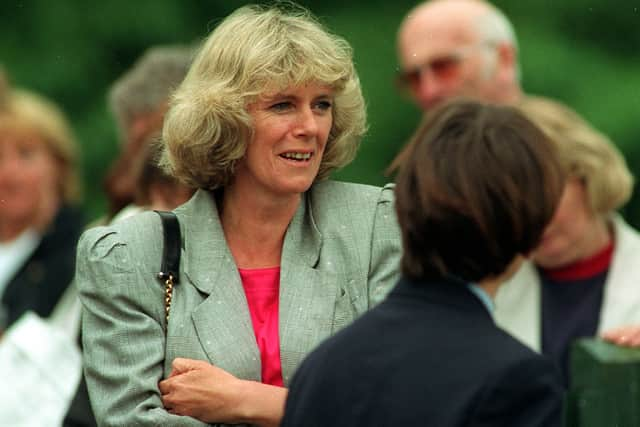
Camilla was blamed for the breakdown of the prince’s marriage to Diana, Princess of Wales – and when news of their affair first came to light, she faced vitriolic criticism.
But in the decades after the Waleses’ divorce, the untimely death of Diana in 1997 and Camilla’s acceptance into The Firm, the public mood towards the former Mrs Parker Bowles has softened.
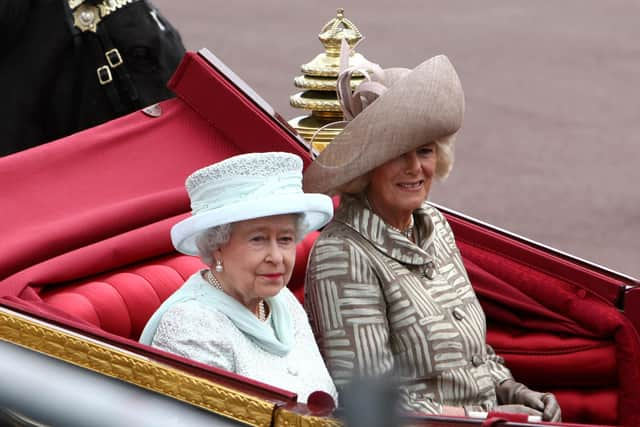
She was made a Privy Counsellor in 2016 ahead of the Queen’s official 90th birthday, meaning she will be beside Charles when he is formally proclaimed monarch at the Accession Council.
Through charity work championing literacy, and highlighting the problem of domestic abuse and sexual violence, Camilla has carved out her own royal role.
She has also become a favourite with the royal press pack for her cheery nature and accommodating approach on royal engagements.
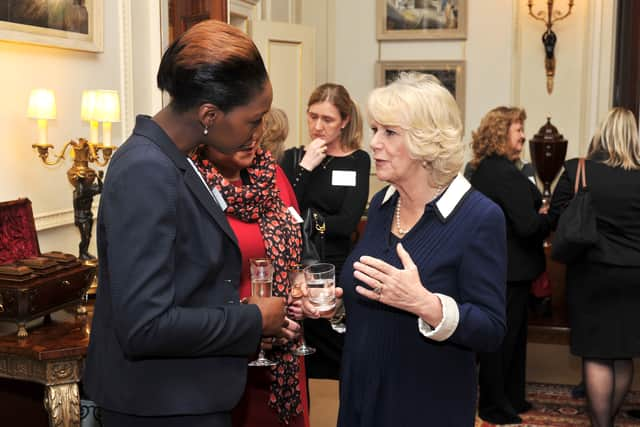
Charles’s official biographer, Jonathan Dimbleby, told BBC’s Panorama programme in 2005 that people might one day want Camilla to be queen.
But he also warned that questions remained over her future role, including what would happen if the prince died first.
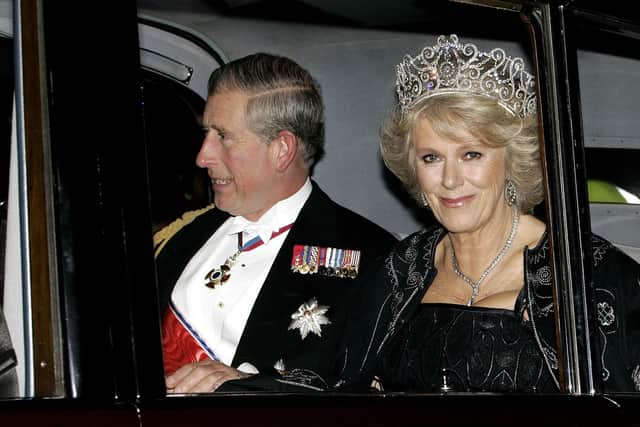
Women married to a monarch have historically been crowned Queen Consort.
Such was the case for the George VI’s wife, Queen Elizabeth the Queen Mother, and for George V’s wife Queen Mary – the Queen’s grandmother.
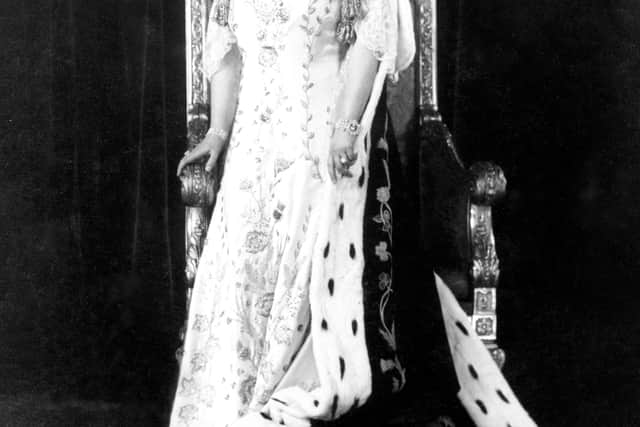
The royal website used to declare: “A Queen consort is crowned with the King, in a similar but simpler ceremony.”
But following Charles’s marriage to Camilla, it added the get-out clause “unless decided otherwise”.
Queen Victoria’s husband, Albert, was appointed Prince Consort some 17 years after his marriage. He worked diligently to win the public’s affection after suffering initial hostility.
Victoria had wanted him to be King Consort when they married, but the then prime minister Lord Melbourne ruled it out.
The Duke of Edinburgh did not hold the title Prince Consort, having rejected the offer in the early years of the Queen’s reign.
Men married to a British monarch have never been crowned at their wife’s coronation and do not become King.