
The defining fashion for each decade of Glastonbury
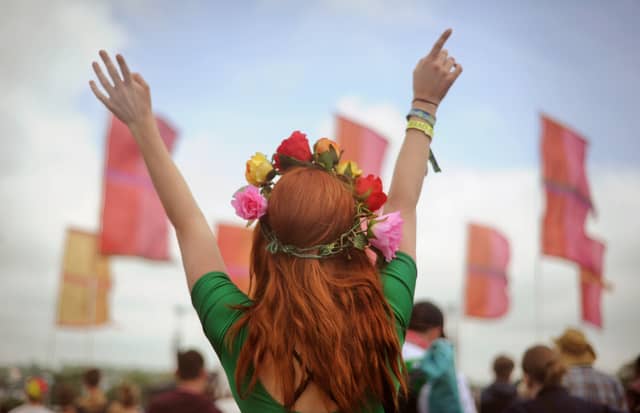

The first Glastonbury Festival was held in 1970, the day after Jimi Hendrix died.
Only 1,500 people were in attendance, and the entrance fee was just £1. Things have certainly changed since then – the last festival was held in 2019, with 203,000 music lovers decamping to Somerset, paying £248 for a ticket. After a few years break due to the pandemic, Glastonbury is back from June 22-26, with Billie Eilish, Paul McCartney and Kendrick Lamar in the headlining slots.
Some things have stayed the same since the first festival – such as getting burned at the first hint of sunshine and having mud up to your armpits, meaning hats and Wellington boots will forever be the key accessories of Glastonbury.
But style in general has changed dramatically since 1970, with each decade bringing new trends in festival fashion…
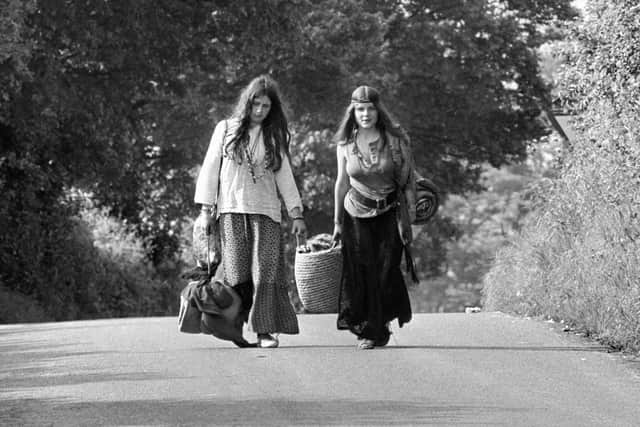
A lot of festival fashion in the Seventies was a hangover from the flower power, hippie styles popular in the late Sixties. Woodstock was in 1969, and that really set the tone for festival garms in the years that followed – think long, floaty dresses, flowing hair and a whole lot of flower crowns.
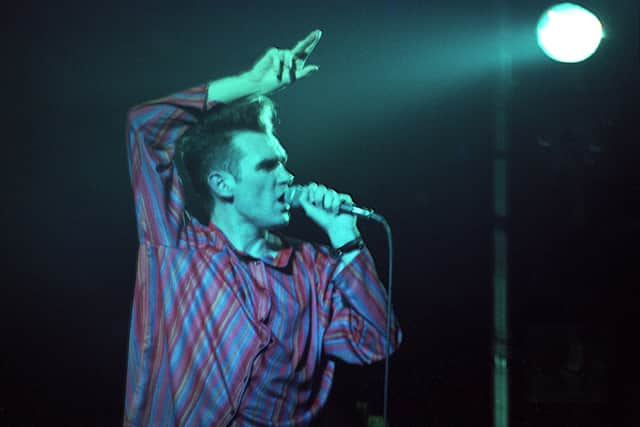
Glastonbury grew at great speed in the Eighties. In 1981, 18,000 people were in attendance, and this number rocketed to 65,000 by 1989. The festival was drawing in big-name performers – including Elvis Costello, Van Morrison and The Smiths – but fashion remained relatively relaxed.
Festival style wasn’t that different from what you would’ve seen on the streets, with attendants favouring relaxed t-shirts, casual trousers, and slouchy shirts and blazers.
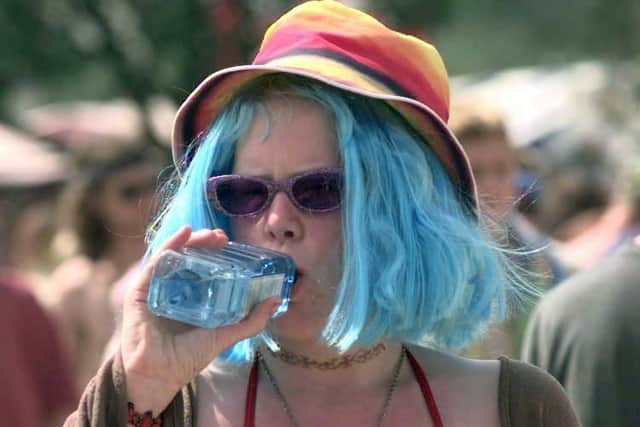

There was also a fair amount of nudity at Glastonbury in the 1990s – not something you’d see quite as much of nowadays.
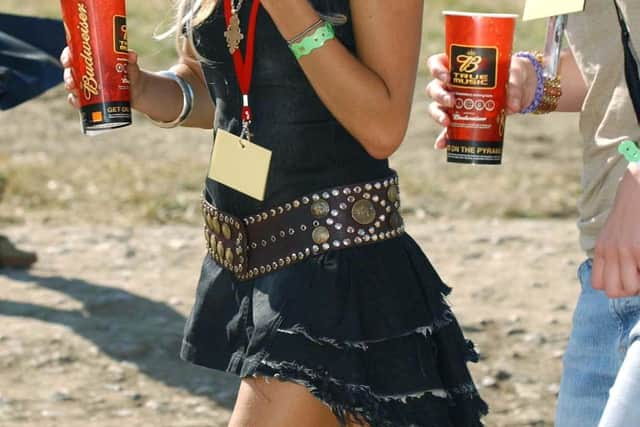
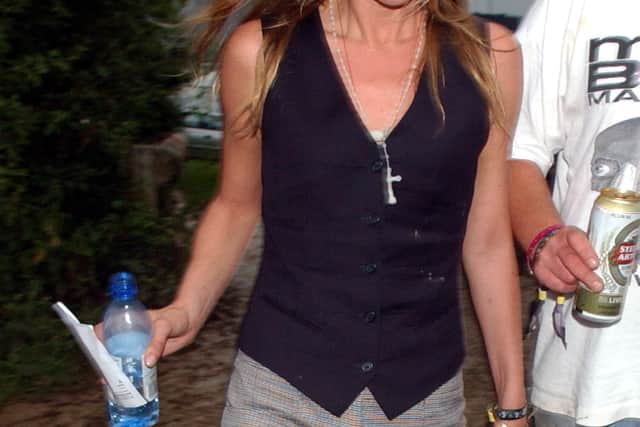

For men, styles were slightly more subdued – a lot of jeans, cargo shorts, plaid shirts, and some kind of obligatory trilby hat a la Pete Doherty. Everyone tended to wear a big pair of welly boots – you wouldn’t be able to survive the inevitable mud of Glastonbury without them.
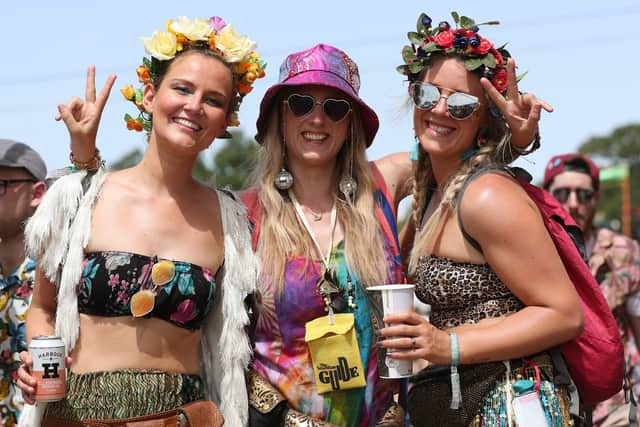
Festival fashion became a whole lot more fun in the 2010s, with bright colours and clashing prints reigning supreme.
It became less about following trends, and more about wearing something more outlandish than you would normally. Festivals like Glastonbury are seen as places where you can let loose and express yourself – so it doesn’t really matter what you wear, so long as you slap on some sunscreen and don’t forget your rain mac.