
The ‘Indiana Jones’ spy treasure trove hidden in plain sight
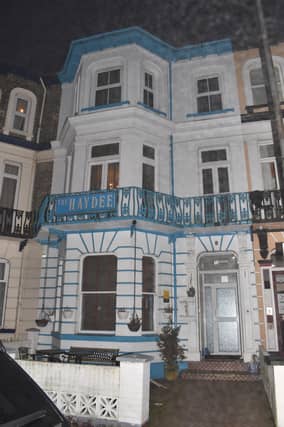

A rundown former guesthouse on the east coast of England provided the perfect cover for the headquarters of a sophisticated Russian proxy spy ring.
When counter-terrorism police in balaclavas burst into the 33-room property in Great Yarmouth they uncovered an “Indiana Jones” treasure trove of spy toys.

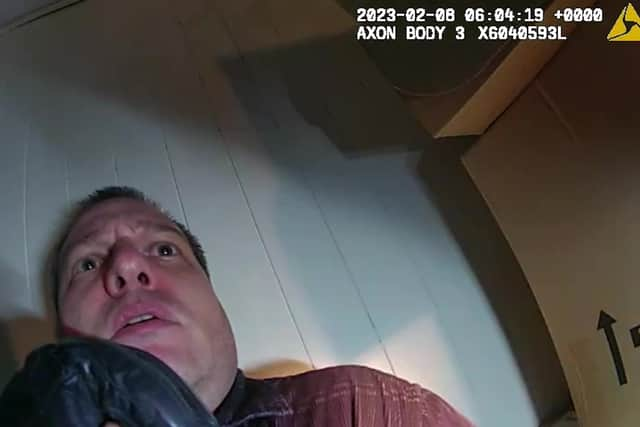
The 47-year-old initially claimed they had got the “wrong place” but, on being told they had a search warrant, quickly relented, saying: “Er, yeah, sure.”
Moving from room to room, police uncovered a pile of mobile phones, which Roussev claimed he had bought on eBay to repair.
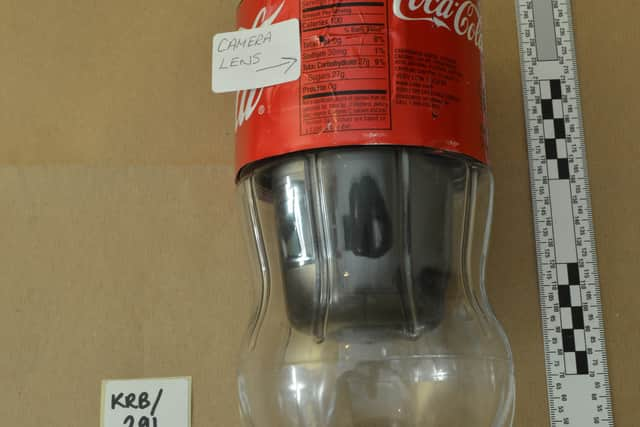
Amid the cluttered hoarders’ paradise was an impressive collection of spyware, including fake passports, and audiovisual surveillance devices disguised as everyday items.
Roussev had made many of them himself, putting spy cameras and bugs in men’s ties, a Coke bottle and even the buttonhole flower on a Minion soft toy.
Mr Murphy said it took more than a week to search the property and nearly 2,000 exhibits were seized.
There were 495 sim cards, 33 audio recording devices, 55 visual recording devices, 11 drones, 16 radios, an IMSI (international mobile subscriber identity) grabber, which records data from mobile phones, wifi eavesdropping devices and jammers, and 65 fake identity documents in 55 names.
Mr Murphy said: “Just that scale in any investigation, that’s significant.”
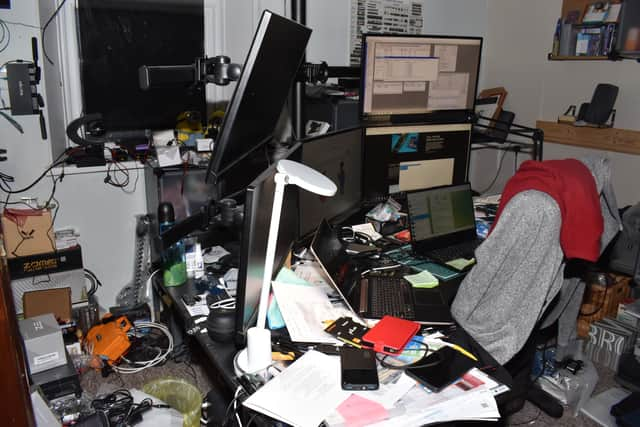
With just 72 hours to hold the suspects before charge or release, Mr Murphy said the team had to act very quickly.
The presence of fake identity documents at Roussev’s address and the home of his second-in-command, Biser Dzhambazov, gave police what they needed to bring initial charges, providing more time to work through the mass of digital evidence.
Mr Murphy said: “In this case we had to move very quickly. The amount of digital evidence was not going to allow that to happen.
“As a result of the identity documents we were able to charge early on and ensure those individuals were on remand and we had the capacity to look at the devices in time.
“We knew as a result of their activity they posed a risk to others, a physical risk and reputational risk as well as to national security.


Mr Murphy said: “Through that painstaking work we established there were six core plots. They were pieced together from fragments of conversation in which they referred to themselves as Minions.
He added: “We found a lot of videos and pictures, surveillance videos, surveillance reports providing direct evidence of what they were doing. We found information relating to flight manifests and hotel records.”
Faced with the overwhelming evidence against them, Roussev and Dzhambazov, 43, from Harrow, north-west London, had little option other than to plead guilty to plotting to spy for Russia and possession of false identity documents.
They will be sentenced at the Old Bailey in May alongside four more members of the spy ring.