
Truss to set out energy plans in first test for her premiership
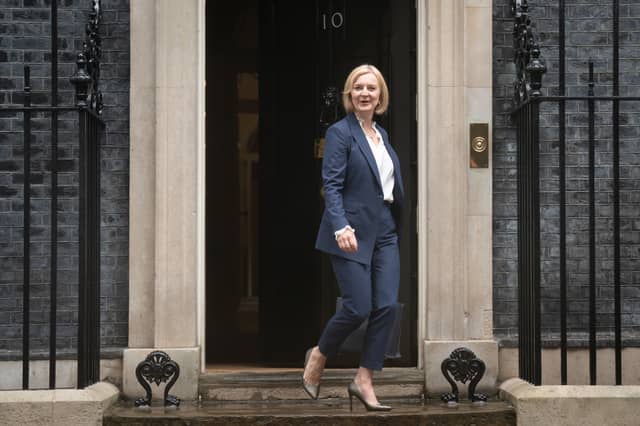

Liz Truss is expected to lift the ban on fracking as she sets out measures to shield households and businesses from soaring energy bills.
In her first major policy intervention as Prime Minister, she is expected to tell MPs on Thursday that domestic energy bills will be frozen at around £2,500 as part of a package to ease the cost-of-living crunch which will cost an estimated £150 billion.
The guarantee on energy costs, which is aimed at saving families and businesses from financial ruin if bills continue to rise as predicted, will be funded by increased borrowing after Ms Truss rejected calls for a windfall tax on oil and gas producers.
Downing Street has indicated Ms Truss will end the moratorium on fracking – the process of extracting shale gas by fracturing rocks with high-pressure water.
Any moves to lift the ban would be heavily criticised by opponents who have long warned that fracking can cause earthquakes, water contamination, noise and traffic pollution, while backing extraction of a fossil fuel does not sit well with the Government’s net zero objectives.
The Prime Minister is also expected to confirm pledges made during her Tory leadership campaign to scrap green levies on energy bills and back the exploitation of North Sea gas resources.

But Levelling Up Secretary Simon Clarke told Sky News: “If we fail to act, if we don’t protect the economy against the shock of the size and scale we are talking about, then there is going to be enormous damage.
“In these circumstances I think the country will say and I think markets will respect that this is the most sensible thing to do.
“The Government is clear that a fiscally responsible approach sits at the heart of our plans but we cannot fail to respond to the magnitude of the moment.”
The precise mechanism for the controls on prices and the duration of the scheme are still to be confirmed.
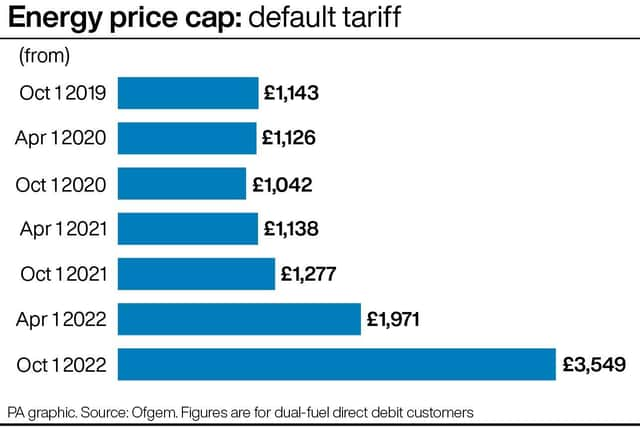
For domestic users in England, Scotland and Wales the current price cap on each unit of energy means average household bills should be on average no more than £1,971, rising to £3,549 in October and forecast to continue increasing when the next level is set in January.
Lifting the moratorium on fracking is unlikely to help bring down bills, given the time it will take to start production and the amount of gas it could yield in relation to the scale of the global supply problems linked to Vladimir Putin’s invasion of Ukraine and restriction on deliveries to Europe.
In March, Kwasi Kwarteng – now the Chancellor – wrote in The Mail on Sunday: “Even if we lifted the fracking moratorium tomorrow, it would take up to a decade to extract sufficient volumes – and it would come at a high cost for communities and our precious countryside.”
But Mr Clarke said: “If we want energy sufficiency we have to look at every source, including clearly new nuclear, more renewables but we also want to look at technologies like fracking.”
He insisted the Government remained committed to the “critical” goal of achieving net zero emissions by 2050 “but in the near term we need all kinds of gas as a transition fuel and that is something the Prime Minister will be saying more about”.
The decision to fund the