
UK set for ‘plenty of sunshine’ this week – but with high pollution levels
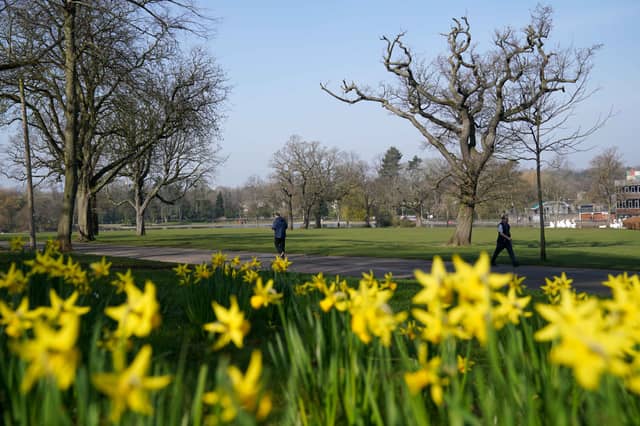

The UK is set for “plenty of sunshine” in the coming days, but the dry weather will also contribute to high levels of air pollution.
Forecasters say Tuesday has already been the warmest day of the year so far with the mercury hitting 20.5C in Northolt, west London.

However, experts also say that south-easterly winds are blowing pollutants in from Europe and the settled UK weather is contributing a build-up of “high levels of air pollution” – especially in towns and cities.
Becky Mitchell, senior operational meteorologist at the Met Office, told the PA news agency: “Temperatures are rising quite quickly and there’s plenty of sunshine across the whole country today.
“Most places are staying dry and sunny and it looks very similar for much of this week – we hang on to that sunshine.”
Ms Mitchell added that temperatures hit 20.5C in Northolt in London, making Tuesday the warmest day of the year so far after Saturday saw 20.2C in Scotland.

The toastiest two days of the current sunny spell will be Tuesday and Wednesday, when temperatures are forecast to be 20C, she added.
“Then, as the rest of the week goes on, we’ll probably just see the high teens for many areas, so temperatures not quite as high through the rest of the week but still plenty of sunshine.”
Ms Mitchell also said conditions will start to get “a bit more cloudy” across parts of Scotland from Thursday and colder, wetter weather will return next week.

“It will be turning a little bit more unsettled and also, it will be a little bit colder as well.
“Temperatures are way above average this week but they’ve going to be a little bit below average by the end of next week,” she added.

“High levels of air pollution (are) expected in the next few days,” she said.
“That’s because we’ve got light south-easterly winds and that’s just dragging in pollutants from the continent.
“And I think because we’ve got very settled weather and it’s not particularly windy, it just means pollution levels can build up over a long period of time.”