
Ukraine crisis: What to know amid the fears of war


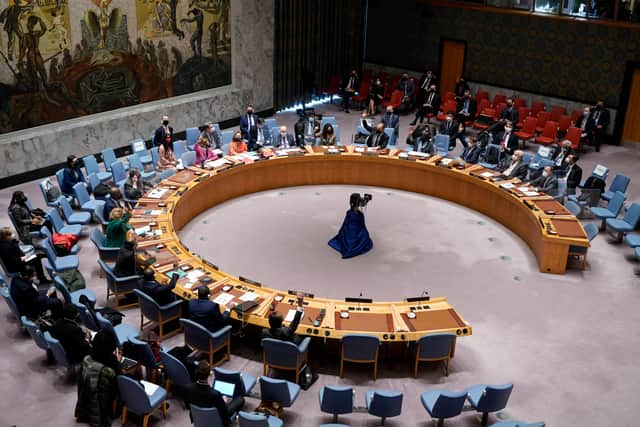
Talks to stave off the threat of war in eastern Europe have moved to the United Nations Security Council.
But Russia, a veto-wielding member of the Security Council, has already dismissed the meeting as a “PR stunt”.
The diplomatic push at the UN comes with 100,000 Russian troops massed near Ukraine’s border and the Biden administration worrying that Russian President Vladimir Putin will mount some kind of invasion within weeks.
Here are some key things to know about the international tensions surrounding Ukraine.
– What is the UN Security Council doing?
The troop deployment comes as Moscow is demanding that Nato promises never to allow Ukraine to join the alliance, stops the deployment of Nato weapons near Russian borders and rolls back its forces from eastern Europe. Nato and the US call those demands impossible.
Russian ambassador Vassily Nebenzia accused Washington of trying “to whip up hysterics” and use “megaphone diplomacy” by calling the first Security Council meeting on the crisis.
A vote on holding an open meeting passed 10-2, with Russia and China opposed, and three abstentions. The vote needed nine votes to be approved.
US President Joe Biden said in a statement that the meeting was “a critical step in rallying the world to speak out in one voice” to reject the use of force, seek military de-escalation, support diplomacy and demand accountability from every member “to refrain from military aggression against its neighbours”.
Earlier on Monday, Kremlin spokesman Dmitry Peskov said that “hysteria promoted by Washington triggers hysteria in Ukraine, where people are almost starting to pack their bags for the front line”.
– Biden meets Qatar ruler to discuss gas
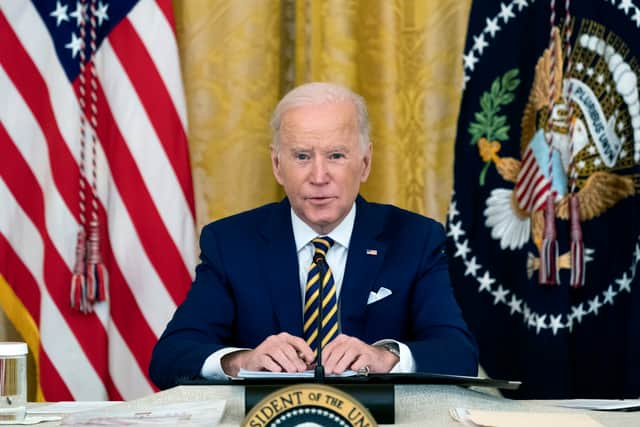
Russia supplies about 40% of the natural gas used in Europe. Natural gas future prices surged last week amid growing market fears that a potential conflict could disrupt Russian exports transiting through Ukraine to the continent.
Qatar is one of the world’s larger suppliers of liquefied natural gas and is among countries that the US is hoping could aid Europe should a Russian invasion of Ukraine lead to Moscow shutting off the flow of gas piped to Europe.
Any Russian invasion into Ukraine would almost surely trigger harsh economic sanctions from the US and its European allies. That could lead to oil and gas shortages around the world and, most likely, higher energy prices that could send tremors through the global economy.
– Ukrainian women take up arms

Svetlana Putilina, the head of an organisation for Muslim women in Kharkiv, spends her weekends training with other women on how to aim, load and fire automatic rifles and other weapons.
Kharkiv, just 40 kilometres (25 miles) from the border with Russia, is Ukraine’s second-most populous city and some fear it could be one of the first targets in a cross-border attack.
“This city has to be protected. (Russia) has a big appetite and they are taking piece by piece. This should not happen,” said 55-year-old Viktoria Balesina.
Women who have already finished their military-style training are not resting. They have joined forces to make camouflage netting that can be sent to the front line.
– Poland offers ‘defensive’ ammunition to Ukraine
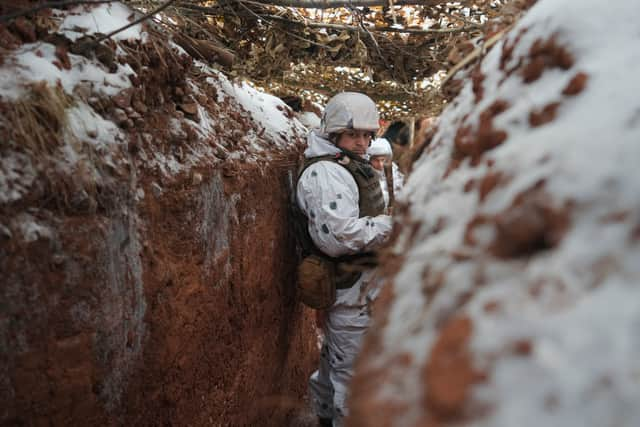
The head of Poland’s National Security Bureau, Pawel Soloch, said that the decision to offer the military support was taken following top-level talks with Ukraine, the United States and Nato allies.
Polish President Andrzej Duda recently met Ukrainian President Volodymyr Zelenskyy and held talks with President Joe Biden and with Nato leaders. He later discussed the situation regarding the Russia-Ukraine tension with Poland’s political and security leaders.
“We are talking about political backing, but also about material support in the humanitarian but also in the military dimension,” Mr Soloch said.
The dozens of thousands of rounds of ammunition on offer are for “defence” purposes, he said.
Poland is awaiting Ukraine’s response to the offer.