
Ukrainian doctor and mother who fled war to UK now rebuilding medical career to ‘improve, extend and save lives’ in NHS
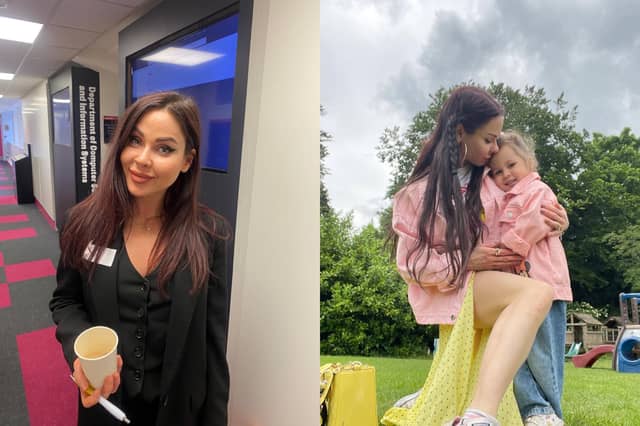

A Ukrainian doctor who fled Russia’s invasion with her young daughter to seek safety in the UK is rebuilding her medical career to “improve, extend and save lives” in the NHS.
Olena Volkova, 38, who is based in Gerrards Cross, Buckinghamshire, with her six-year-old daughter Varvara, lived in Zaporizhzhia in south-eastern Ukraine, where she worked in the main regional hospital as a haematologist for more than a decade, treating patients with lymphoma and acute leukaemia.
When Russia launched its full-scale invasion of Ukraine on February 24 2022, Olena knew she had to leave her home city for the safety of her daughter, who was three at the time, and they drove for three days to reach Liuta, a small mountain village in western Ukraine.
Olena said she was able to secure sponsorship with a British family through the Homes for Ukraine scheme, before she and Varvara crossed the border to Slovakia and flew to the UK on April 12 2022.
Feeling lost and struggling with the language barrier, Olena found it “challenging” to interview for jobs, but by working as a beautician, she was able to develop her speaking skills.
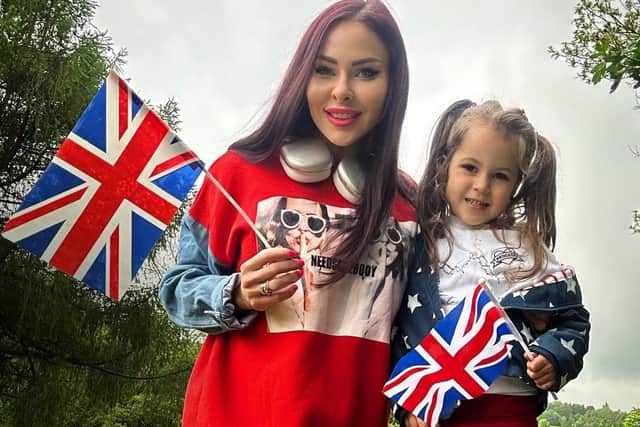
“Being able to practise as a doctor again would be an incredible feeling and I want to be useful to society,” Olena told PA Real Life.
“I want to help improve people’s quality of life, extend lives and save lives – that’s my dream and it’s sad I cannot do this in Ukraine any more.
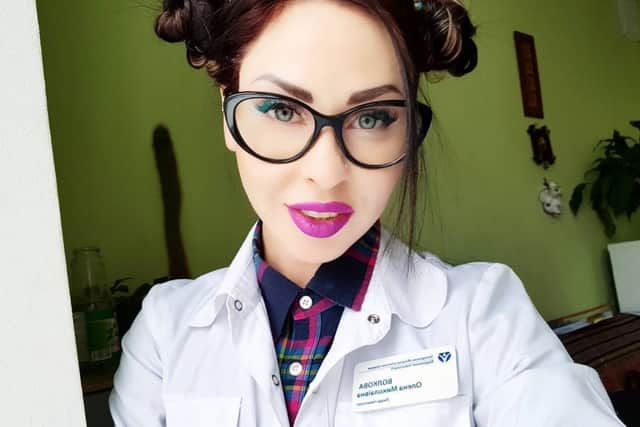
Olena worked as a doctor at Zaporizhzhia Regional Clinical Hospital, where she had specialised in malignant haematology since 2012, treating patients with conditions such as lymphoma and acute leukaemia.
“I felt really comfortable there, I had lovely colleagues – we worked well and supported each other,” she said.
“Life in Ukraine for me was quite comfortable and happy.”
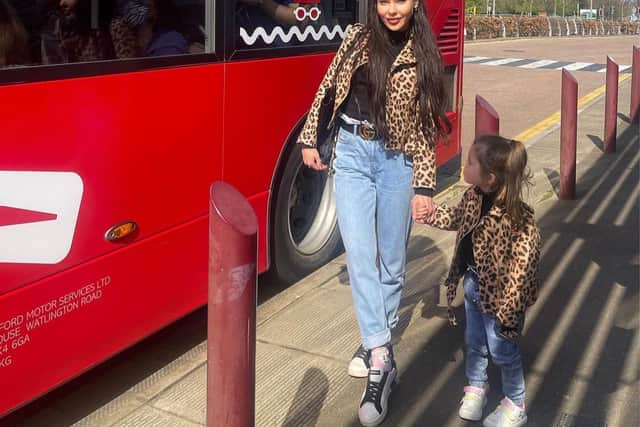
“I was doing my makeup when I heard it, it was quite shocking,” she said.
“Immediately, I understood the war had started.”
Olena said she assumed the war would last for no longer than a week and would not involve civilians, but she soon realised her home city of Zaporizhzhia was becoming unsafe for her young daughter.
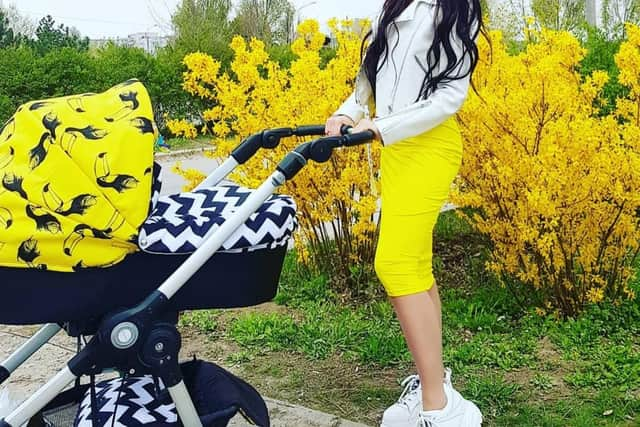
“If I was alone, I could stay at the hospital and I would be useful, but I couldn’t keep my daughter there – I had to protect her.”
Olena took the decision to flee the city and “leave everything”, travelling by car with her daughter for three days to Liuta, a small mountain village in western Ukraine.
“The traffic was absolutely crazy, there were long queues at gas stations and military planes in the sky – it was like a dream,” she said.
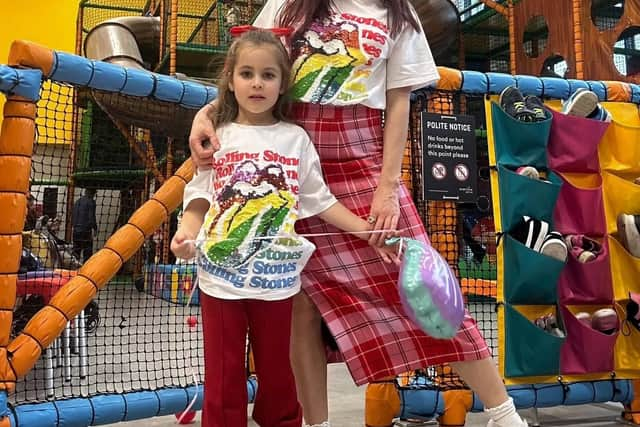
“We had conversations and sent pictures back and forth, and they announced they would be absolutely happy to be our sponsor in the UK,” she said.
Olena and her daughter crossed the border into Slovakia on the night of April 11 2022 and flew to the UK the following day.
She recalled feeling disorientated and “traumatised” when she arrived in the UK, becoming lost on one occasion while trying to find a Tesco supermarket in her host family’s village.
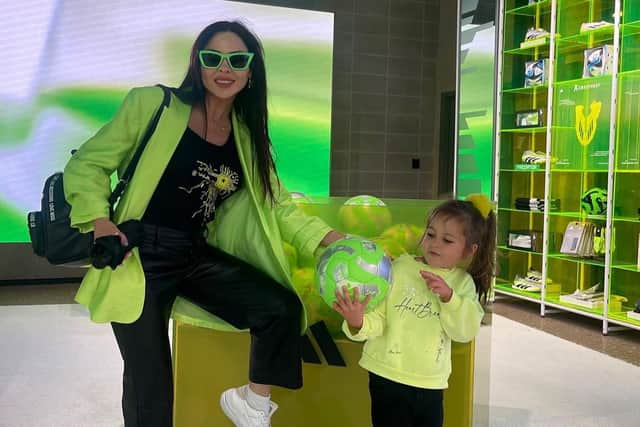
“I had all the knowledge in my head and all the experience, but I wasn’t able to express myself as professionally as I wanted to, as I can do in my language,” she said.
After taking a job as a beautician for eight months, Olena said she was able to develop her speaking skills to help her feel more comfortable in the UK.
Olena’s mother, Antonina Pryvalova, 67, came to the UK on August 5 2022, travelling via Poland – but Olena said this was a “huge stress” as her mother worked as an engineer at a nuclear plant in Ukraine which was occupied by Russia at the start of the war.
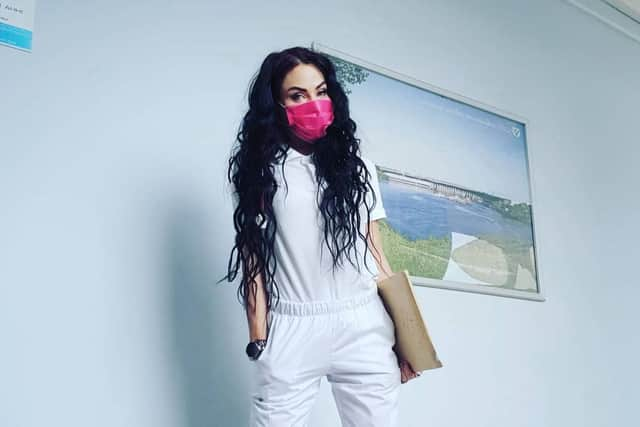
Olena and Varvara spent around a year living with their host family before they were able to rent a property in Gerrards Cross, now living a 10-minute drive away from Olena’s mother.
“Our host family were lovely people and I appreciate all the support they gave us,” she said.
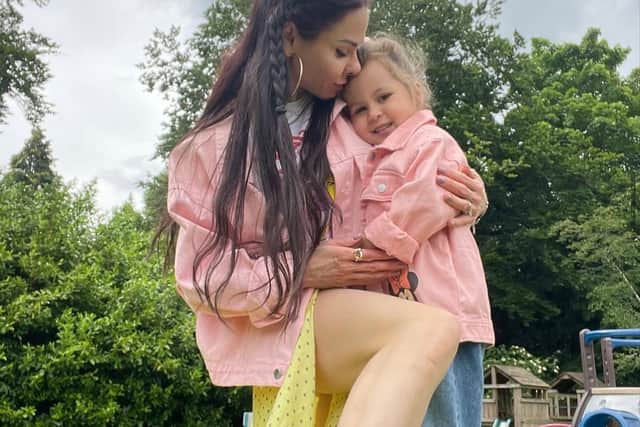
Olena has since secured a role at King’s Clinical Research Facility and is studying for exams to return to clinical practice.
“Before I joined the programme, I was completely lost, but the support has been amazing and my skills have improved massively,” she said.
She added that her daughter has settled well into life in the UK – going to school, making friends and even correcting her mother’s English.
“I want to say a big thank you to everyone I met on my way, my host family, my colleagues at work and the Refugee Council for the support to make my dreams come true,” she said.