
Vegetarian piranha and Isle of Skye pterosaur among newly named species in 2024
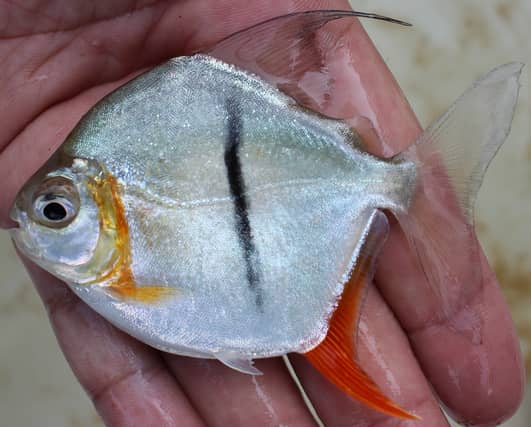

A vegetarian piranha from the Amazon and a flying dinosaur found on the Isle of Skye are among the species previously unknown to science that have been named this year.
Natural History Museum (NHM) scientists and their partners across the world named almost 200 species in the last 12 months.
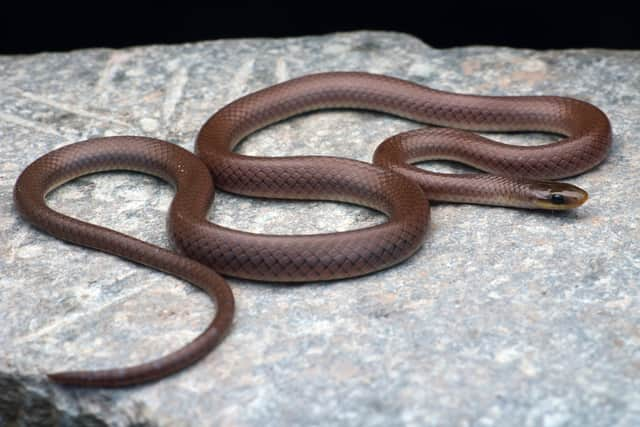
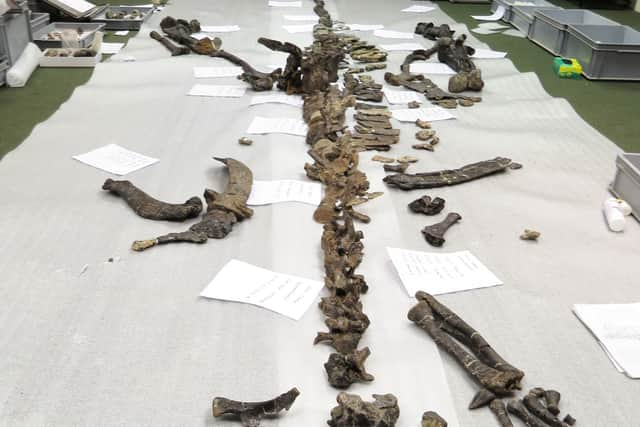
This year also marked the naming of the most complete UK dinosaur discovered in a century as Comptonatus chasei – the bones of which were initially unearthed on the Isle of Wight in 2013 by local fossil hunter Nick Chase.
As they unveiled the list for 2024, NHM scientists highlighted the importance of naming and describing species to understand ecosystems and how they are affected by human-driven impacts.
Leading botanist Sandra Knapp told the PA news agency: “Every single specimen in our collection and every single named thing has a narrative and a story attached to it and having a name allows you to tell that story.”
Ms Knapp said the work is a “step in the chain” to establishing how nature is adapting to climate change and how biodiversity is under threat to better inform policy, conservation and science.
“We can use the knowledge that we produce here by describing things and naming things and working on how they interact with each other to actually create those solutions from nature for us, but also solutions from us for nature.”
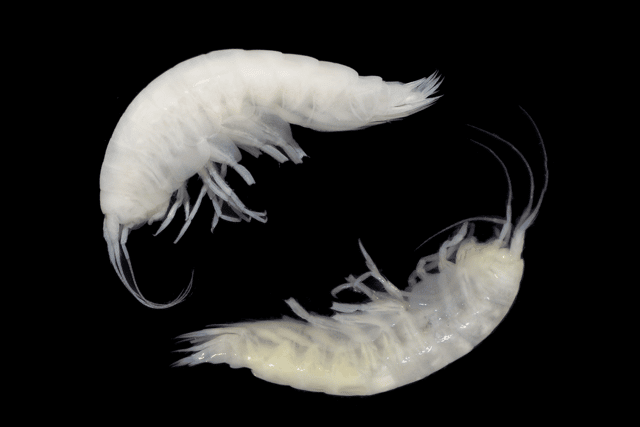
As the nascent deep sea mining industry develops, marine biologist Eva Stewart named and described two species of scavenging amphipods from the floor of the central Pacific Ocean.
“We’re still finding out more about these animals because there has historically not been that much sampling in the deep sea,” she said.
“With each year there’s more and more so we’re getting to learn more about these species.”
Ms Stewart said: “The very fundamental units of biodiversity and ecology are just species and so if you want to understand the whole ecosystem and how the communities interact and how the biodiversity changes over the whole landscape you need to know what the species are in the first place.”
The marine biologist said it was “really exciting” to name the species, adding that she called one after her grandmother.
Adrian Glover, who also works in the NHM deep sea lab, said that beyond applied science and solving modern society problems, “there’s still an element of wonder and discovery in what we do”.
“People and children come into the museum to be inspired and be amazed – the natural curiosity of humans is amazing.”
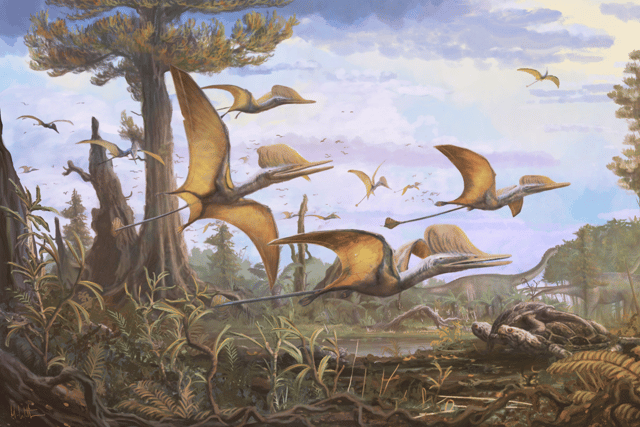
This also comes into the work of NHM palaeontologist Paul Barrett, who helped to name a flying pterosaur from the middle Jurassic age after its fossilised bones were found in a rock on an Isle of Skye beach in 2006.
“We have relatively few middle Jurassic pterosaurs from anywhere in the world,” he said.
“So it helps fill in a little bit of a gap in our broader knowledge of where flying reptiles were at this time and the kinds of flying reptiles that were actually around.”
“What we’re really looking at is establishing a baseline for what ecosystems were once like and how those ecosystems have changed through time, and by understanding some of the factors that have impacted those ecosystems we can then use those examples to apply to what we know is going on today,” he said.
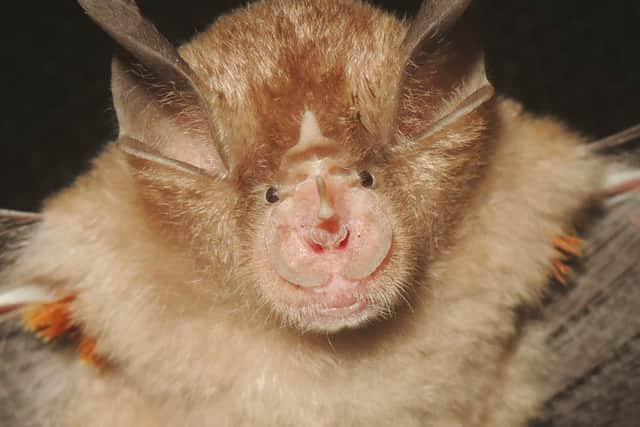
Scientists also named two plant-eating dinosaurs this year – a sauropodomorph from Zimbabwe and a stegosaur from China, alongside new fossil spiders, a lizard-like reptile and a couple of mammals.
Looking at how past species responded to climatic events, Mr Barrett said: “Hopefully we can then use that as a kind of barometer for making more informed predictions about what might happen to similar animals that have either similar diets or similar physiologies into the future.”