
Violence reported in north Kosovo overnight as Serbs block roads
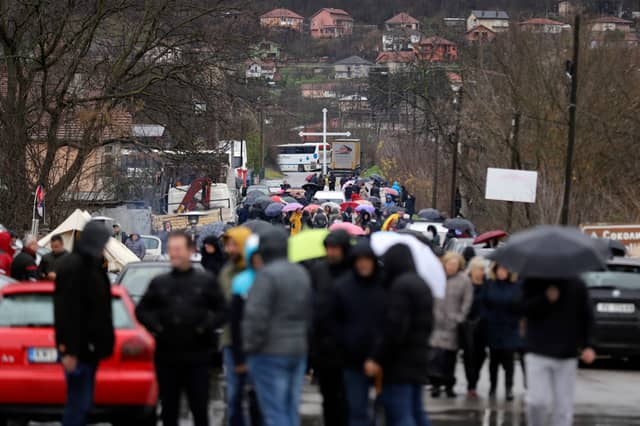

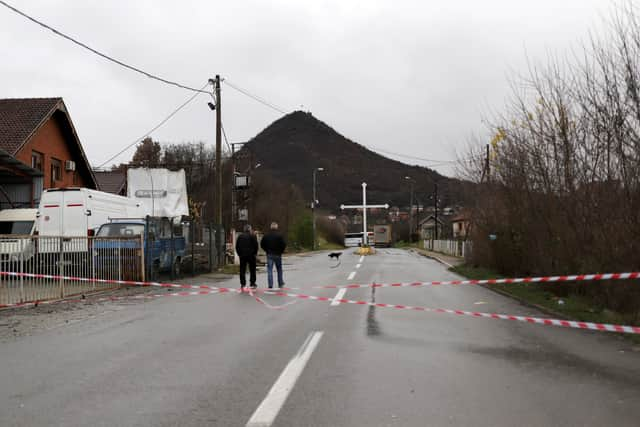
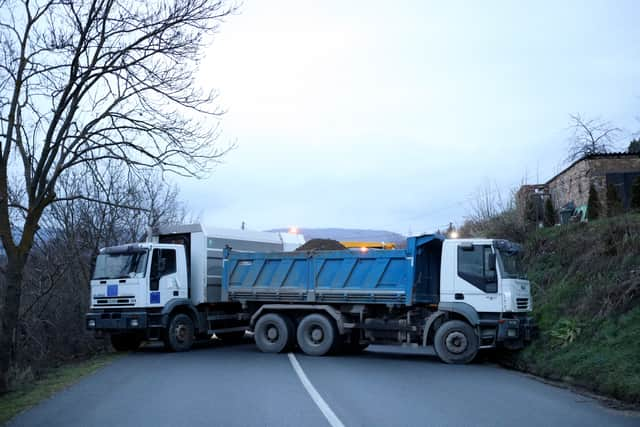
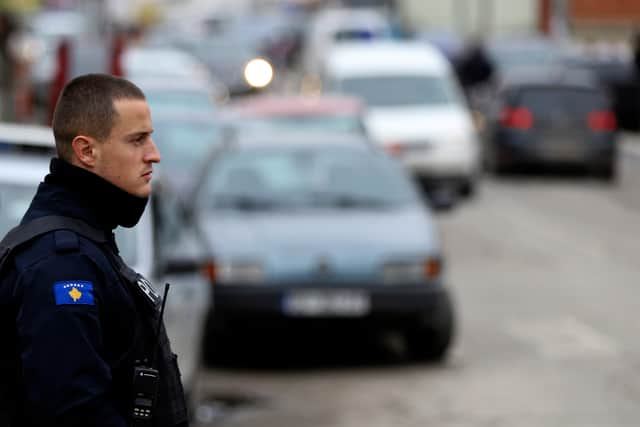
Kosovo police and local media have reported explosions, shooting and road blocks overnight in the north of the country, where the population is mostly ethnic Serb, despite the postponement of municipal elections December 18 to which the Serbs were opposed.
No injuries have been reported.
Eulex, which has some 134 Polish, Italian and Lithuanian police officers deployed in the north, called on “those responsible to refrain from more provocative actions” and urged the Kosovo institutions “to bring the perpetrators to justice”.
Unidentified masked men were seen on the Serb barricades that were blocking main roads leading to the border with Serbia, as Kosovo authorities closed two border crossings to all traffic and pedestrians.
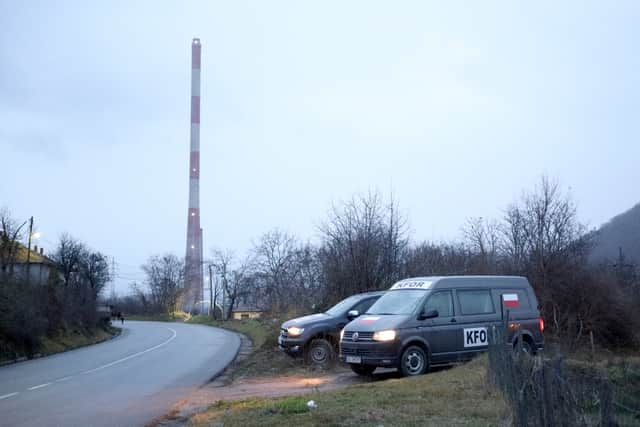
Serbia’s president said on Saturday that he will formally request permission from the Nato-led KFOR mission in Kosovo to deploy Serbian troops in northern Kosovo, while conceding this is unlikely to be granted.
Kosovo Prime Minister Albin Kurti accused Belgrade of trying to destabilise Kosovo. He said Serbia was also trying to bring an end to the EU-mediated dialogue on normalising bilateral ties and take it to the United Nations Security Council, where Belgrade hopes to get support from Russia and China.
Tensions remain high, with Serbia and Kosovo intensifying their exchange of words.
Serbian officials claim a UN resolution that formally ended the country’s bloody crackdown against majority Kosovo Albanian separatists in 1999 allows for some 1,000 Serb troops to return to Kosovo. Nato bombed Serbia to end the war and push its troops out of Kosovo, which declared independence in 2008.
“We do not want a conflict. We want peace and progress but we shall respond to aggression with all our powers,’ Kosovar Prime Minister Albin Kurti posted on social media.
He told the European Union and the United States that not denouncing such violence, which he said has been orchestrated by Belgrade, “would push it destabilise Kosovo”.
Tension in the north has been high this week ahead of the polls initially planned for December 18. They have now been postponed to April 23 in an attempt to defuse the situation.
The election was due after ethnic Serb representatives resigned their posts in November in protest at a decision by Kosovo’s government to ban Serbia-issued vehicle licence plates.
Tensions have been high in Kosovo ever since it proclaimed independence from Serbia, despite attempts by the European Union and US officials to defuse them. Serbia, supported by its allies Russia and China, has refused to recognise Kosovo’s statehood.
Both Serbia and Kosovo want to join the EU but Brussels has warned they must resolve their dispute and normalise relations to be eligible for membership of the bloc.
Nato Secretary-General Jens Stoltenberg has said that the Nato-led mission in Kosovo “remains vigilant.”