
Wallace ‘determined’ to increase defence spending despite budget pressures


Ben Wallace has said he is determined to increase defence spending despite pressure on domestic budgets.
The Defence Secretary said progress towards a target for defence spending to be 3% of GDP will happen “budget by budget”.
The war in Ukraine has exposed that ammunition stocks had fallen to levels they “should not have been”, he said.

As well as additional funding for Ukraine, the defensive alliance vowed to deepen co-operation on hybrid threats and protecting critical national infrastructure.
At a press conference following the meeting, Mr Wallace was asked whether pressure on UK Government budgets means a target for reaching defence spending at 3% of GDP by 2030 would need to be shelved.
He said: “That target’s for eight years’ time.
“As we can see from the economic situation, I’m basically taking it budget by budget at the moment.
“I am determined and keen to increase defence spending on the trajectory it’s been on and make sure that we continue to have a real terms investment in our defence.”
The UK has pledged a further £2.3 billion for Ukraine next year, he said, and modernising British armed forces is also “incredibly important”.
Contributions from Joint Expeditionary Force countries to Ukraine has now passed 500 million euro (£436 million), Mr Wallace said.
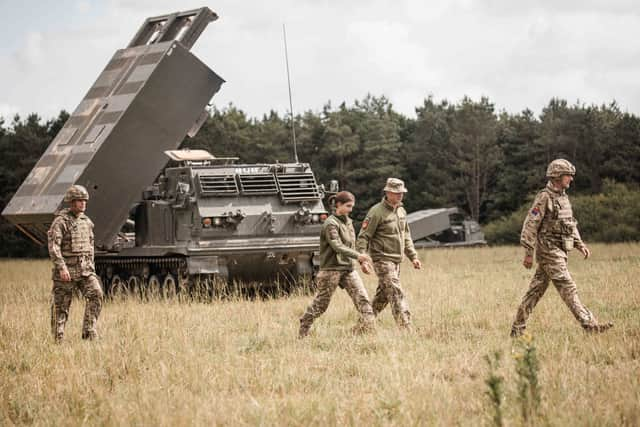
“We shouldn’t back down in that fight.”
Meanwhile, Mr Wallace said the delays to HMS Glasgow – the first of new Type 26 frigates being built on the Clyde – will not affect the “mass and posture” of the Royal Navy.
Part of the delays are due to the shipyard where the vessel is being constructed, he said, something the Ministry of Defence is looking to invest in and improve.
The Defence Secretary also said Norway’s oil and gas infrastructure has become “particularly vulnerable” due to the fact it is now Europe’s main supplier.
He said: “We will play a role in helping Norway both be aware of its maritime situation, but also in protecting its infrastructure, and our own infrastructure in the oil rigs and elsewhere.”
Protecting undersea internet cables in the Baltic and Atlantic is also important, he added.
Mr Wallace said Russia has specific types of submarines which could attack this type of infrastructure.