
Warning over snakes slipping into northern Europe in imported flowers and plants

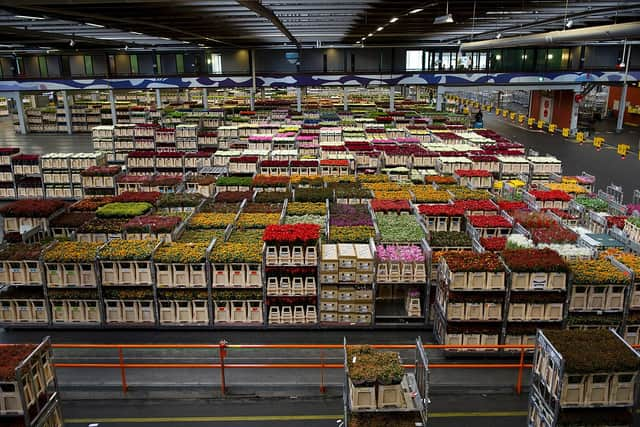
Invasive species including snakes and lizards are slipping unnoticed into northern Europe in vast shipments of cut flowers and potted plants, researchers have warned.
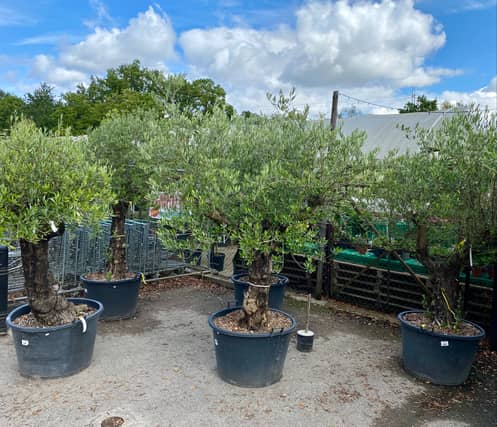
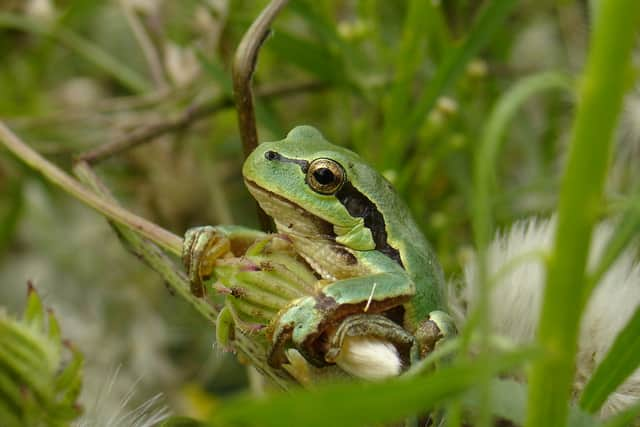
Continental European snakes, geckos and Italian wall lizards are among the animals making their way to the region in potted olive trees destined for gardens and green space, according to the study published on Friday in the journal Bioscience.
The researchers warned that reptiles are “just the tip of the iceberg”.
Insects, fungi, spiders and agricultural pests are also being imported into the UK and northern Europe in cut flowers and other ornamental plants.
Despite regulations and border checks, the volume of fast-moving plant shipments makes it difficult to detect species.
It comes as the multimillion-pound global market is rapidly growing with an increasing geographic reach.
Rising temperatures could also lead to some ornamental plants being imported from warmer climates flourishing in the wild as invasive species in countries like the UK.
The study highlighted other environmental and health impacts caused by the trade, including environment-harming microplastics and agrochemicals entering the soil, health-harming pesticide residues and huge water use in producer countries as well as a wider carbon footprint from transporting cut flowers between continents.
Professor William Sutherland of the University of Cambridge’s Department of Zoology, who was involved in the study, said: “Ornamental olive trees for sale in the UK can be over 100 years old, with many hiding places amongst their gnarly bark and the soil they’re transported in.
“This is incredibly risky in terms of importing pests.
Dr Silviu Petrovan, also from the University of Cambridge’s Department of Zoology and a senior author of the paper, said: “Even with the best of intentions, unwanted hitchhikers are getting through customs import checks all the time.”
He warned that suppliers often do not operate within the law, citing high-value plants such as orchids and cacti being illegally stripped from tropical habitats and included in shipments.
“Regulations to prevent the trade in protected wild plants are challenging to enforce on a large scale,” he said.
The researchers said improved standards on imported plants are urgently needed.
While the trade remains critical for economies worldwide and supports rural communities across the world, Dr Petrovan said: “We need to push to make the industry more sustainable through things like certifications and better regulation, and to work with those involved in the trade to better understand the risks and how to mitigate them.”
An Environment Department spokesperson said: “This Government will never waver in its duty to support the UK’s biosecurity, protect our farmers and food supply.
“The Border Target Operating Model continues to protect our crops, livestock, and food supply chain from pests and disease, while minimising any disruption to trade.”