
What is net zero and how will it affect the public?
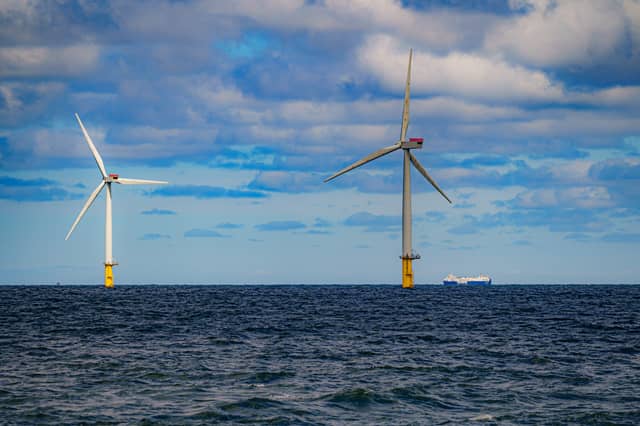

The Prime Minister has announced a set of delays to key climate policies designed to push the UK towards net zero.
What is net zero and why is the Prime Minister changing some of his Government’s climate commitments?
The PA news agency explains why the net zero by 2050 target exists and how adopting it would affect the British public.
– What does net zero mean?

Other greenhouse gases such as nitrous oxides and methane can be cut by switching from fossil fuel-based systems, such as gas central heating and petrol or diesel in cars, for those powered by renewable electricity.
The UK has committed itself in law to becoming net zero by 2050 and because carbon removal technology has not yet been sufficiently developed, it must cut emissions in absolute terms to get close to the target.
– Why do we need to go net zero?
Rising greenhouse gases are heating the Earth’s atmosphere, which will eventually become unliveable for much of human civilisation unless emissions are curbed.
Each point of a degree of rise in the average global temperature brings escalating risks, with more extreme storms, heatwaves and wildfires, rising seas, spread of disease and degradation of the natural world on which the human food supply rests.
The UK Government was the first major economy to legally commit itself to becoming net zero, setting the target in 2019, having previously promised to reduce emissions by 80% compared with 1990 levels by the same date.
– How will going net zero affect the public?
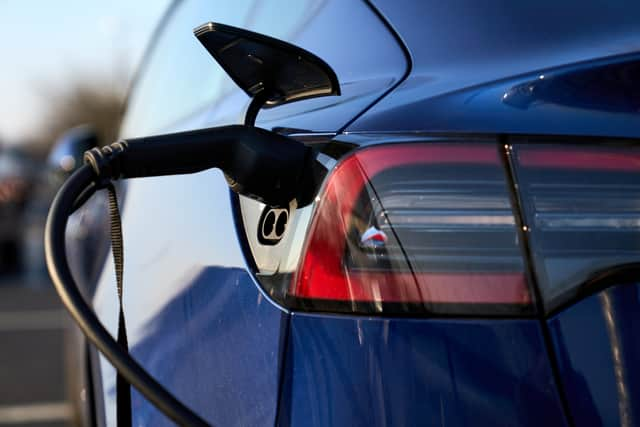
In a speech on Wednesday, the Prime Minister announced a relaxation on when people must switch to electric cars, delaying the ban on new petrol and diesel vehicles from 2030 to 2035.
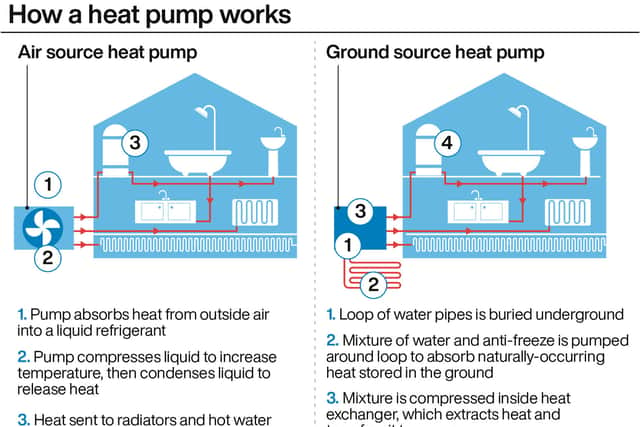
People will also have to begin replacing their gas boilers with alternatives such as heat pumps from 2035 although around a fifth of households will be exempt, Mr Sunak said, as he announced an increase in the grant available to pay for heat pumps, from £5,000 to £7,500.
The CCC also calculated that the economic costs of going net zero would be less than those accrued by inaction, while it would also lead to “significant benefits to human health from better air quality, less noise, more active travel and a shift to healthier diets”.
Other energy experts have said that the quicker households are removed from fossil fuel sources and insulated, the more money they will save by using cheaper electricity and conserving more energy.
– Why do some want to slow or abandon net zero plans?
Some Conservative MPs have been pressuring the Prime Minister to ditch green policies ahead of the general election expected next year after watching a Conservative candidate argue against the expansion of London’s ultra low emission zone and win the Uxbridge and South Ruislip by-election.
They say delaying policies designed to reach net zero would benefit households as they seek to draw a line between themselves and Labour.
Mr Sunak said his Government remains committed to the net zero by 2050 target and that he wants to get there in a more “measured” way – by waiting for technologies such as heat pumps to become cheaper before imposing their installation.
Environmentally-minded Conservatives have attacked the delays, with Lord Deben the previous head of the CCC, calling the policy change “stupid” while Lord Goldsmith called for a general election.
– What do voters think of net zero?
Polls have consistently shown that the majority of people support the transition to net zero in order to stop climate change, however other surveys suggest that support begins to wane if ordinary people have to pay for it.