
What is the Japandi trend and how can you get the look?


Japandi décor style is one of the most popular interior trends right now – racking up no less than 56.5 million mentions across Instagram and TikTok, according to industrial-inspired home accessories and lighting brand, Industville.
Not yet familiar? As the term suggests, Japandi is a mix of Japanese and Scandi style – a combination with endless appeal.
“While geographically, Japan and Scandinavia may be worlds apart, when it comes to design, the two countries are synonymous with creating interiors rooted in simplicity, comfort, neutral colours and natural materials,” says Alysha Alli, who heads up the interior design team at Redrow homebuilders.

Illustrating a beautiful marriage of East meets West, where Scandinavian’s cosiness blends seamlessly with Japan’s minimalism, Alli says Japandi style is growing in popularity with homeowners of all ages throughout the UK.
“While the trend has been around since 2016, its popularity grew throughout the pandemic, and still has an enduring effect,” Alli explains. “Homeowners continue to create a functional yet welcoming interior that’s perfectly suited to a healthy balance of work and home life.”
Scandinavian homes, she says, tend to prioritise comfortable interiors that are warm and inviting and deeply rooted in the countries’ concept of ‘hygge’ (cosiness), while Japanese design adopts the countries’ ‘wabi-sabi’ philosophy, which originates from Zen Buddhism.
“The term refers to embracing imperfections and finding beauty in the natural, unpolished world,” notes Alli. “This fusion of two cultural beliefs has today created a design that’s loved for its welcoming and warm minimalist aesthetic.”
How can you get the Japandi look?
1. Neutral colour palette
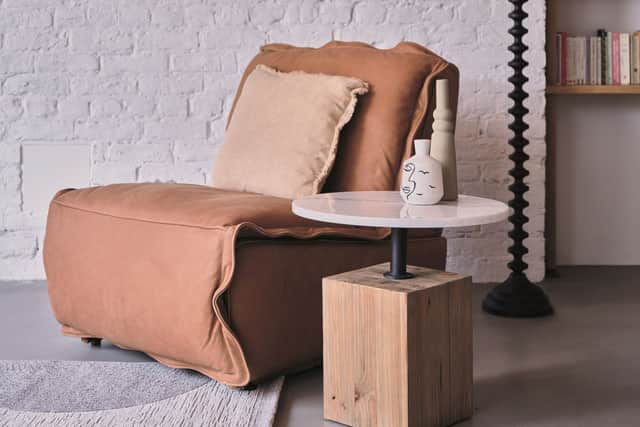
Scandi interiors can often favour clear whites, but Alli recommends replacing this with a light stone, beige or fawn tone, to avoid your interior feeling more Nordic than Japandi.
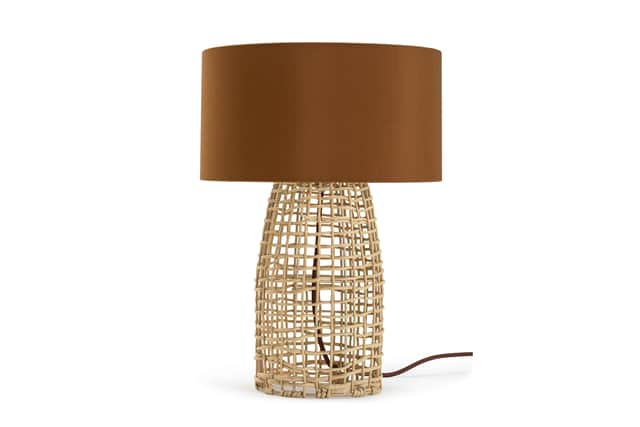
These small colour additions will add a richness to your interior that stops the room from feeling muted and restricted to similar colours, she explains.
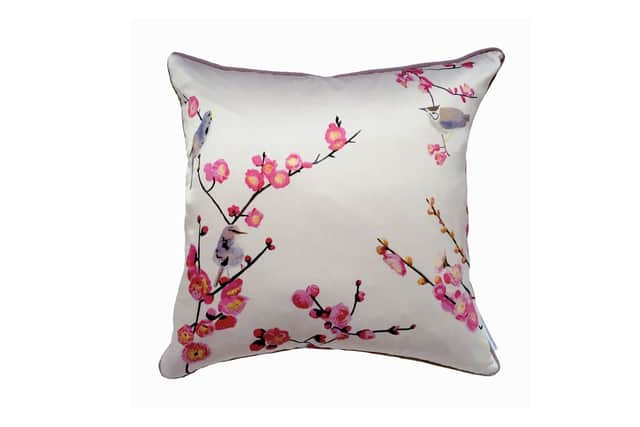
2. Sustainable furnishings
“Both Japanese and Scandinavia interiors use wood as their dominate interior material – but do so in very different ways,” observes Alli.
“Scandinavian-influenced interiors favour a rustic approach, where the wood is often left pale and untreated. Whereas in Japanese-inspired interiors, the wood is more likely to be stained and darker, creating a much richer effect.”
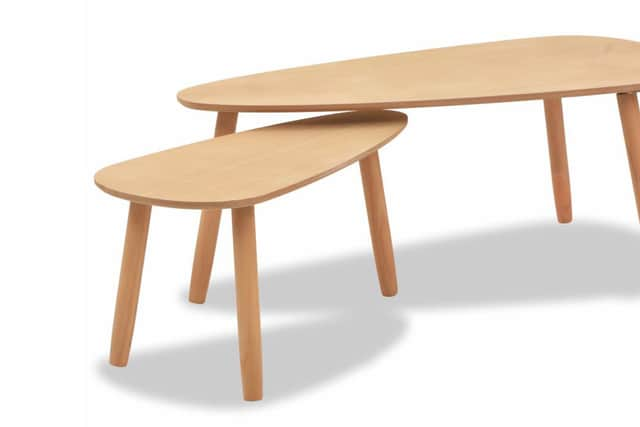
“Other authentic, natural materials, such as bamboo, rattan, cotton or hemp, offer an easy way to introduce texture and a natural element into your interior,” Alli adds.
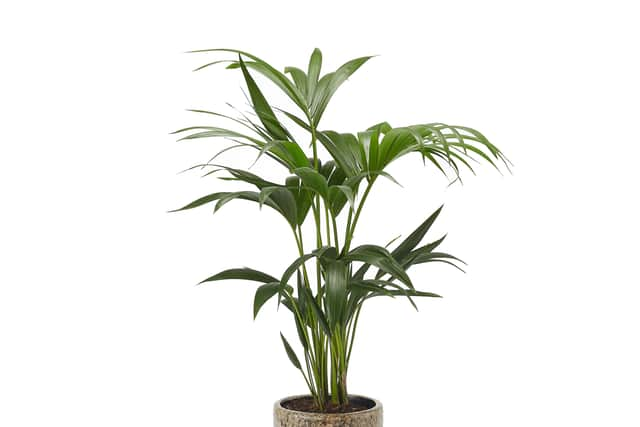
Where both Scandi and Japanese interiors share a love of nature and house plants, as Alli points out, Japandi interior leans towards fewer but bigger plants, where the larger plant is used as a focal point in the room.
“Other ways to bring the outdoors in can be through adding branches to large ceramics for a vase vignette, which offer a sustainable homemade accessory.”
3. Minimalist cosiness
To ensure you strike the balance between Japan’s minimalism and Scandi’s cosiness, Alli says: “Adopting a minimalist approach by decluttering will allow your home’s architectural features and clean lines to shine.
“Decluttering is an easy way to create the illusion of a minimalist interior – and can quickly transform forgotten or previously hidden elements, such as antique statement vases or ornaments, into focal pieces,” she adds.
Use the lines of your shelves or bookcases themselves as a decoration, she suggests; don’t obscure them with trailing plants or soft furnishings. “The overall look should be one of continuity – blending shapes and sleek functionality – that remains rich in personality through your ornaments or books.”