
What lies in the new Home Secretary’s in-tray?


The next Home Secretary faces a myriad of challenges to tackle as soon as he takes office.
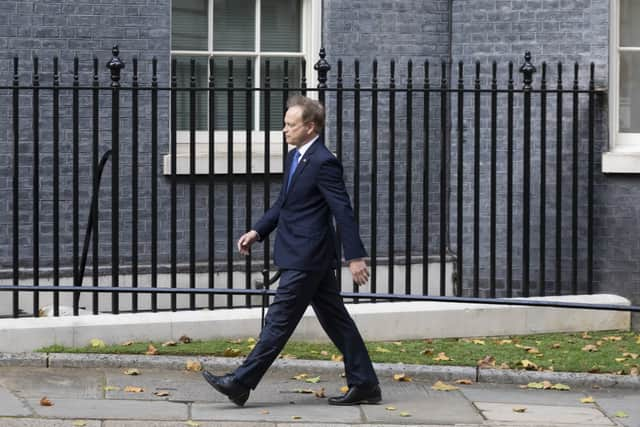
As the new boss of the Home Office, the sixth in as many years, Grant Shapps will have a wide-ranging brief covering areas such as immigration, crime, security and policing.

– Migrant crossings
One of the top priorities will no doubt be succeeding where predecessors have failed in tackling the growing numbers of people making the journey across the Channel. Outgoing home secretary Suella Braverman’s brief stint in the job meant she was unsuccessful in fulfilling her predecessor Priti Patel’s promise to make the crossings “unviable”.
So far this year more than 37,500 migrants have crossed the Channel to the UK, according to provisional Government figures.
The Home Office response to the surge in Channel crossings is “poor” and the “system is overwhelmed”, according to chief inspector of borders and immigration David Neal.
He said the problems arose mainly due to a “refusal” by the government department to move from an “emergency response to what has rapidly become steady state, or business as usual”.

There were “significant systemic challenges” and it appeared to be “struggling to get out of a cycle of crisis management, reacting to the last challenge and bracing itself for the next, regardless of how predictable the next challenge may be”.
Border Force may have been “counter-productive” in how it dealt with Channel crossings, the report added.
Mr Shapps will also have to decide whether to pursue Ms Braverman’s plan to ban migrants crossing the Channel from claiming asylum when they arrive in the UK.
She left the Home Office on the day a watchdog warned the department is effectively running “unregistered children’s homes” after figures revealed thousands of lone migrant children have been living in hotels after arriving in the UK.
In her resignation letter, Ms Braverman said she had “serious concerns about this Government’s commitment to honouring manifesto commitments, such as reducing overall migration numbers and stopping illegal migration, particularly the dangerous small boats crossings”.
– Rwanda
The legality of the policy to send migrants to the east African nation is currently being contested in the courts.

An inquiry by MPs has already found there was “no evidence” the policy was acting as a deterrent and the UN’s refugee agency, the UNHCR, said it was “incompatible with (the) UK’s fundamental obligations”.
– Asylum
The cost of the UK’s asylum system has topped £2 billion a year, with the highest number of claims for two decades and record delays for people awaiting a decision.
Home Office spending on asylum rose by £756 million, from around £1.4 billion in 2020/21 to £2.1 billion in 2021/22 – the highest on record and more than double the amount spent in 2019/20, with officials struggling to keep up with the number of new applications.
Meanwhile, the Government is spending around £4.7 million a day housing asylum seekers in hotels, of which around £1 million is being spent on Afghan refugees who fled the Taliban takeover while long-term accommodation is sought.
– Crime
Police forces in England and Wales have recorded the highest number of crimes in 20 years, driven by a sharp rise in offences including fraud, rape and violent attacks.
Meanwhile, the charge rate has dropped to just 5.6%, meaning just one in 18 offences results in a charge or summons.
– Policing
Mr Shapps takes over just weeks after the latest Metropolitan Police Commissioner Sir Mark Rowley started in his post.
High on the to-do list is expected to be addressing the public loss of confidence in policing after a series of scandals and the outcry over the murder of Sarah Everard by a serving Met officer.

A report by MPs recently warned the Home Office faces “significant challenges” in reaching the target because the efforts could be hampered by an increasingly competitive employment market and a decline in public trust in policing.
The total hired so far stood at 13,790 at the end of June.
– Passports
The continued delays in processing passport applications – with fears this may not improve before the end of the year – is another urgent task to confront.
More than 550,000 passports were waiting to be dealt with at the end of June and it was still taking around 10 weeks to process 10% (around 55,000) of applications instead of the standard three weeks, according to passport office directors.
– Windrush
Another long-running challenge at the Home Office is its need to bring about changes in the wake of the Windrush scandal and its ongoing mission to ensure victims are properly compensated.
A review found the department is at risk of another Windrush-style scandal if it does not bring about the “cultural changes required”. Author of the report, Wendy Williams, said she was “disappointed” with the progress made by the department since her initial recommendations for improvement were made two years ago.
Among a raft of other concerns raised, Ms Williams said she saw “lengthy delays” in the Windrush compensation scheme and warned victims were facing “severe financial and personal difficulties” four years on, with many still “sceptical” of the Home Office.