
What’s TikTok’s underconsumption trend and how does it impact luxury brands?

TikTok’s for you page is usually comprised of clothing hauls, shopping trips and gift guides. But a new trend has recently taken over: #underconsumptioncore.
In response to the hyper consumerism that has dominated newsfeeds over the past year, underconsumption-core romanticises buying just what you need. It shows people repurposing what they already have – from reusable Gü-pudding pots to second-hand clothes.
As the next generation of fashion buyers swap tips on sourcing vintage and how to dress while spending less – this spells trouble for the luxury fashion industry.
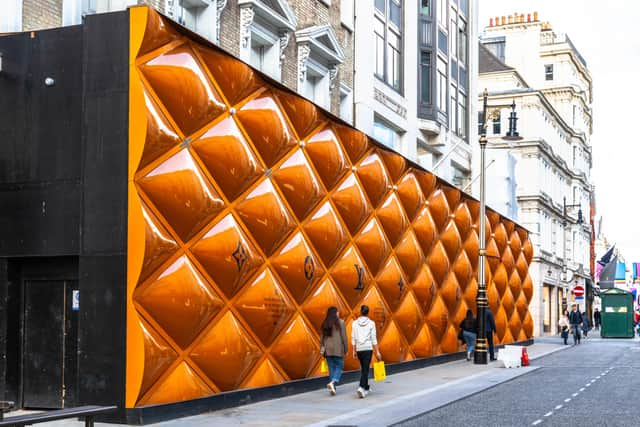
Last month it was announced that shares in LVMH, which owns Louis Vuitton, Dior and Tiffany & Co, dropped 5% as sales in the key Asian market were down 14%.
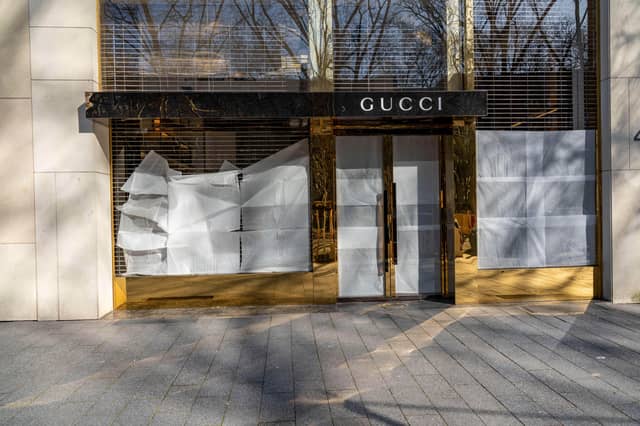
It was also revealed that shares in Kering – owner of Gucci, Balenciaga and Yves Saint Laurent – were down more than 4% as group revenues fell 11%, led by an 18% slump at Gucci.
Unlike usual “core” trends, underconsumption-core is less of an aesthetic and more of a lifestyle. Creators are showing off how they fix and repurpose items, with the aesthetic lying in the worn and nonchalant nature of the clothing, as opposed to the polished and ‘box-fresh’ look.
It appears that taste for luxury goods are depleting among Gen Z, with vintage designer bags now cultivating more interest than new releases. However, despite suppressing appetite, there’s still a window of hope for luxury labels.
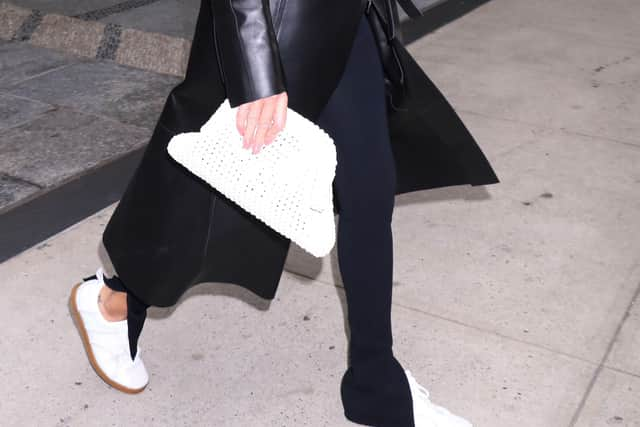
This is a trend that luxury labels seem to be cottoning on to. In the wake of post-Covid price hikes, several brands are now offering steep discounts on their small leather goods to lure buyers back and manage surplus inventory.
It appears therefore that there is still a place for luxury brands – just not in the excess of the 2010s that we’d previously thought. With sustainability and thoughtful purchasing now at the core of consumer mentality, it seems that fashion is going through a golden-age of understatement.
As fashion month kicks of in New York on September 6th, it will be interesting to observe how designers have adapted to this consumer palate, and what messages lie behind their shows.