
Why clean-living makes Helsinki a joyful city break
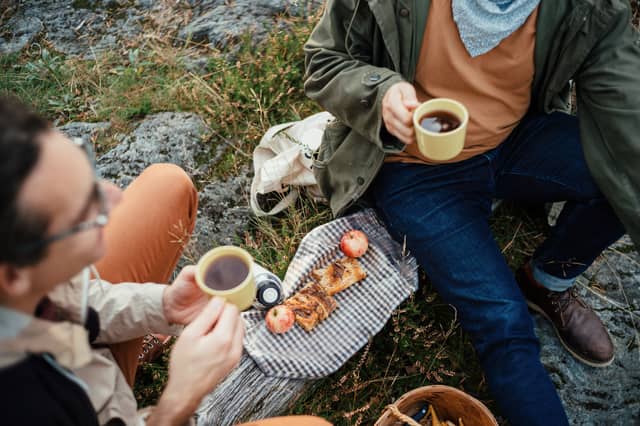

Eating from the streets would be a recipe for disaster in most cosmopolitan capitals. Dirt, dust, pollution and filth are a breeding ground for disease. But professional forager Anna Nyman insists the natural bacteria thriving on herbs and wildflowers in Helsinki’s parklands are good for your gut.
“Everything in the supermarket has been sprayed,” says the gently spoken, impish Finn, who look as comfortable in the forest as Jamie Oliver does in his polished stainless steal kitchen. “But wild foods have so much life.”
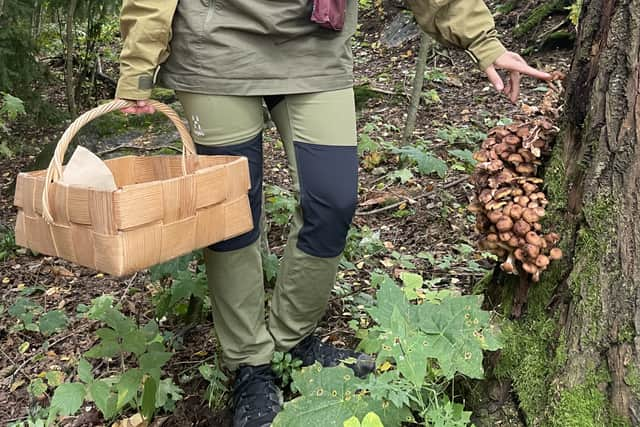
Biting into pin-sized, miniature wild strawberries, I savour the last flavours of summer as treetops around me glow in the gold, crimson and saffron shades of autumn’s ‘ruska’ season. It’s an idyllic, almost Disneyfied setting. With a songbird perched on her shoulder and fearless red squirrels scurrying at her feet, I wonder if Anna is some sort of Snow White.
There aren’t many urban centres where you can pick edible herbs and mushrooms a short drive from downtown, but the Finnish capital is an exception. In a country where the right to forage and roam is ingrained in law, living from the land is a national pastime. Last month, the city scored fourth place in the world’s Global Destination Sustainability (GDS) Index. Ambitions don’t stop there; by 2030, Helsinki hopes to be carbon neutral.
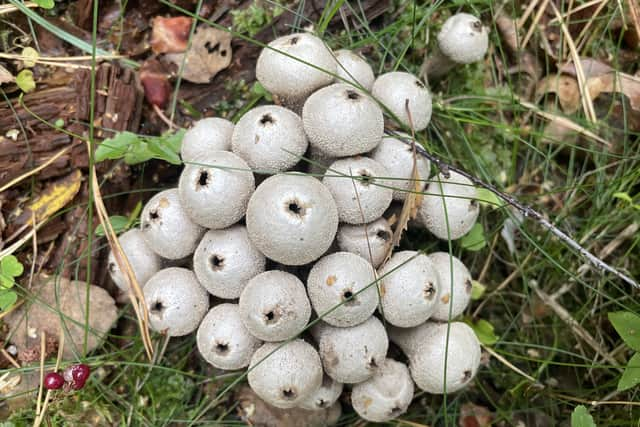
“We are forest people. It’s in our DNA to be hunter-gatherers,” says Anna, pouring a cup of chaga mushroom tea from a flask. The parasite sliced from the trunk of a birch tree, she tells me, is a prized superfood known for boosting immunity. A qualified biologist, who swapped a desk job for life outdoors, these days Anna regularly takes tourists and corporate groups on foraging tours, and enjoys watching any sense of hierarchy fade away at the forest boundaries. “Here, everyone loses their titles,” she says.
A natural contender for Europe’s most wholesome city break, Helsinki makes sustainable living look easy. At Restaurant Skörd (skörd.fi) in the city’s central Design District, co-founder Janne Kylmämaa proudly tells me that everything – “except the salt” – is sourced from Finland. In a climate where little grows for three-quarters of the year, creating a gourmet menu is challenging.
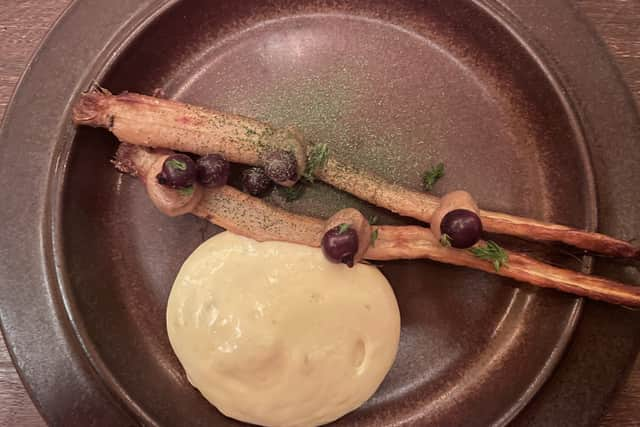
“It gives room to innovate with ingredients and what’s available on the day,” says Janne, serving me with a starter of parsley root with hollandaise sauce and yarrow, in his small, simple brick-walled dining room. Mallard heart with horse radish, deer with raspberry-dusted lovage, and porcini ice cream are among the surprising highlights.
Most unexpected of all, however, are the wines, all made from berries – including a white berry wine that could easily masquerade as a Chilean sauvignon blanc. Made by a handful of enthusiasts, the wine scene is slowly growing and earlier this year the first grape wine made with grapes grown in Finland was produced – both an impressive feat and an alarming indication of climate change.
Making the most of available resources is key to living in harmony with nature – an approach adopted by circular fashion franchise Relove, who’ve transformed thrift store shopping into a boutique experience. The brainchild of former radio presenter and model Noora Hautakangas, their latest store opened in the departure lounge of Helsinki-Vantaa this summer, making it the world’s first second-hand store in an airport.

“It’s like treasure hunting,” explains head of marketing and sales Vera Aladin, when I join her for fruit juice and smashed avocado on sourdough at a table in the pretty pink and gold art deco styled space that doubles as a café. “We wanted to take the idea of flea market and make it easy, creating a beautiful, visual experience.”
Helsinki’s vintage clothing scene has been growing in popularity over the last 20 years, at first for value but now because there’s a kudos in finding unique, one-of-a-kind items. Most of the stores are conveniently tucked into streets around cool, laidback district Kallio, where hipster cafes serve coffee by day and cheap beer at night.
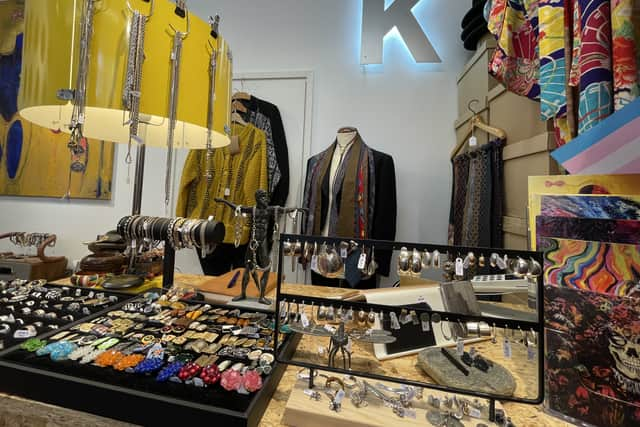
In gender neutral Kinnunem, one of the few stores selling vintage clothes for men, I pick up a navy and mustard-yellow knitted jumper.
“Someone made that by hand,” whispers Jane, who is temporarily taking care of the shop for her friend. (Finnish school children, both boys and girls – I later discover – all learn to knit at school.) But I make the mistake of leaving the item and later regret it, because the one rule about vintage is buy it when you see it, or it’ll probably be gone.
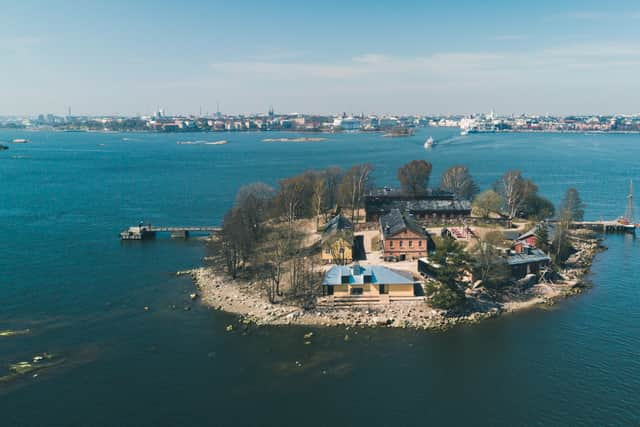
Later that night, on the 10-minute ferry ride back to the Market Square, I finally get a sense of what makes this understated, clean-living city so joyful. It starts with a few fingers drumming on a beer can, followed by a group of friends humming, and finally a girl climbing onto one of the leather banquettes to sing Pharrell Williams’ hit ‘Happy’. Impromptu and uplifting, it’s pure fun. And yes, I do clap along because, as the lyrics suggest, that’s what I want to do.
How to plan your trip
Rooms at Hotel Mestari (hotelmestari.fi/en/) start from €164/£142 per night with breakfast.
Finnair (finnair.com; 0330 808 1188) flies from London Heathrow, Manchester and Edinburgh to Helsinki all year round – with their Heathrow service operating up to 5 times per day. Return fares with Finnair from London Heathrow to Helsinki start at £166.
For more information on visiting Finland, go to visitfinland.com/en/.