
Why is it so hard to get a dentist appointment and what will Labour do to help?


Getting a regular dentist appointment can seem like an impossible task, and many health bodies are now urging the new Labour government to put this issue at the top of its priority list.
Why is it so difficult to get an appointment?
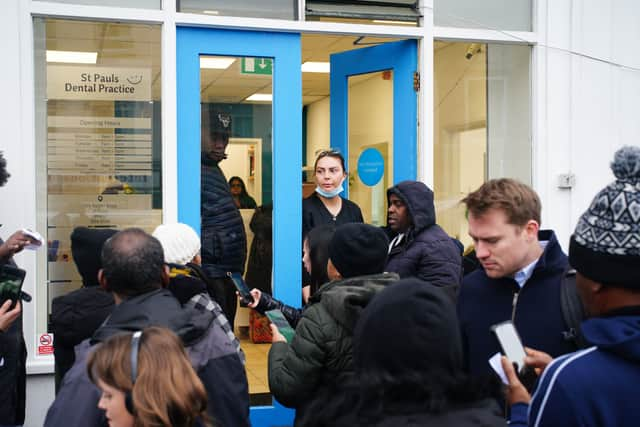
An increasing number of dentists are leaving the NHS to work in the private sector, which has exacerbated the backlog of appointments.
“A lot of my colleagues are struggling to recruit and retain dentists that come and work in the NHS,” says Birmingham-based dentist Eddie Crouch, who is also the current chair of the British Dental Association’s (BDA) principal executive committee.
Crouch believes that this is because NHS dentists have been working on a target-driven contract since 2006, which “hasn’t been fit for purpose right for the outset”.
“Several investigations by the heath select committees have said that the contract needs to be changed,” says Crouch. “The previous government only made marginal tweaks to the existing target-driven contract and ambition has been insufficient in actually making people want to stay and work within the NHS.
“We have got a situation where accepting new patients has become risky for a practice, as the patient may require hours and hours of work,” explains the dentist. “The remuneration from the NHS currently isn’t sufficient to pay dentists enough for that treatment so practices can make a business loss on processing new patients.”
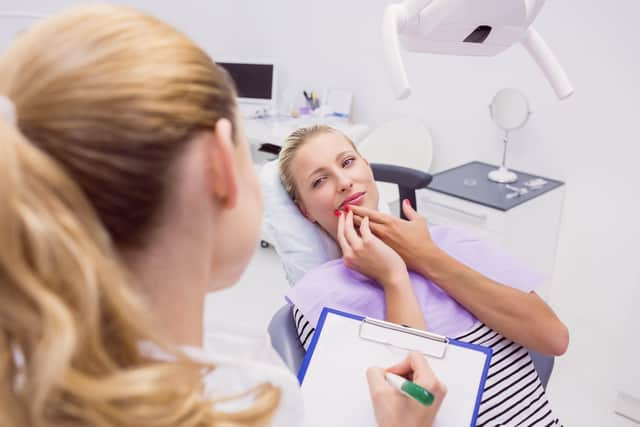
As a result of not being able to see a dentist during the pandemic, or being put off by costs or wait times, some patients are now showing signs of serious oral health problems.
“Sadly, we are seeing more people come in with very serious diseases, which require more radical treatments where we are less able to save their teeth,” says Crouch. “We are seeing people with ulcers and lesions in their mouths that turn out to be oral cancers, which if detected late will significantly reduce their possibility of surviving the illness.”
The dentist is also concerned about the amount of people who have been struggling to get an dental appointment and are now turning to other areas of the health service.
“They turn up at their GP or A&E and are given repeated courses of antibiotics, which is totally inappropriate for the problems that they have,” says Crouch. “These services are already under strain and have their own problems.”
What are Labour planning to do about it?
During their election campaign, Labour pledged to provide 700,000 extra urgent dental appointments a year and to flood ‘dental deserts’ with dentistry graduates.
The party promised to give £20,000 to newly qualified dentists who spend at least three years working in under-served areas as an extra incentive.
In addition, Sir Keir Starmer said reforming the dental contract would be a priority for his government, but is yet to reveal the details about what this may look like.

Prevention is better than cure
“We need to move to a more preventative type of treatment so that we incentivise dentists to prevent diseases,” says Crouch. “The current contract just rewards us for drilling and filling in, and other types of intervention, but we really need a joined-up approach to prevent all dental diseases.”
He also believes that focusing on preventive measures such as dietary changes, supervised teeth brushing and fluoridation of the water supply could help make a real difference.

What can we do to improve our oral health while waiting for an appointment?
Crouch encourages everyone to practice oral hygiene, such as good brushing technique, and also warns patients to avoid food that contains a high level of sugar.
“Repeated snacking throughout the day on high-sugar products is the worst thing for causing dental disease,” says Crouch. “I would encourage parents to actually look at labels on the products they are giving their children to check for the levels of sugar in them.”
But he urges patients to not give up hope.
“Have a look around, there are practices that are taking on a few more patients than they were previously as we deal with the backlog,” recommends Crouch. “If you are having a [dental] emergency, please try the 111 service because they may be able to direct you to a commissioned service for an urgent care.”