
Why the Algarve is Europe’s most underrated culinary escape
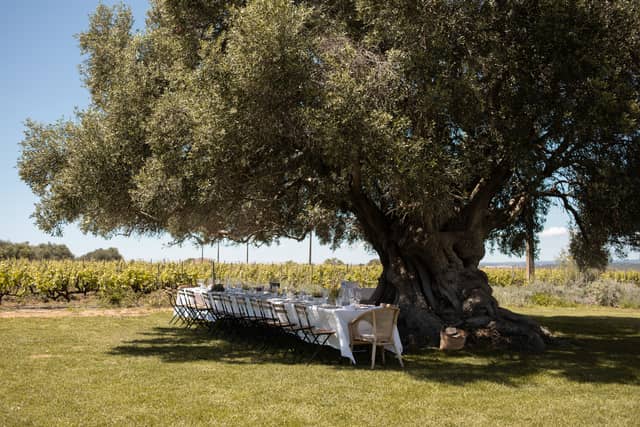

With its lush green landscapes, upmarket leisure resorts and Mediterranean climate, the Algarve is renowned for drawing golfers and holidaymakers to the region.
But there’s a burgeoning gastronomic scene too, focused around quaint fishing communities, farmsteads and artisanal producers – as I discover on a short winter break.
Native wines
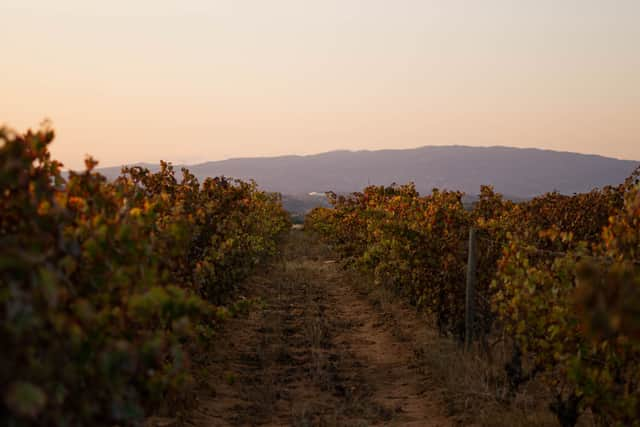
Filipe tells me that only 5% of the wine drunk in the Algarve is made here – even though it’s one of the oldest wine-producing regions dating back to the 6th century BC.
The sunny environment provides perfect growing conditions for vines planted in lime and clay soil. Nearby, the Serra de Monchique mountains protect the area from wind, yet the breeze from the Atlantic Ocean provides ventilation and temperature regulation.
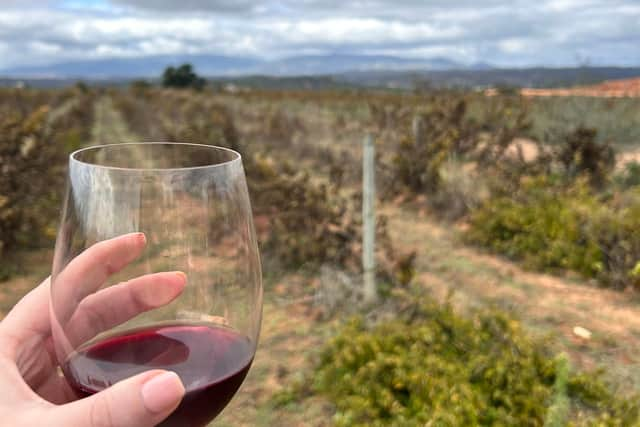
One of the varieties produced is Negra Mole – the second oldest Portuguese grape variety, which is indigenous to the Algarve. It produces fruity, floral and fresh wines that are often light in colour with low tannins. Filipe lets me sample one that has been blended with Crato Branco grapes, and I have to agree – it’s the perfect tipple for a hot summer’s day on the Algarve.
Artisanal produce
Luis explains it’s far more cost-effective to sell a product on a plate, rather than going wholesale. “Lamb, per animal, sells for around €70,” he tells me. “But to sell lamb by the plate, you’re bringing in around €320.”
Any profits are invested back into the farm, allowing Luis to develop environmentally friendly and regenerative farming methods. “If you ask a farmer for food, you have food for a day. Ask for soil, you eat for life,” he quips.
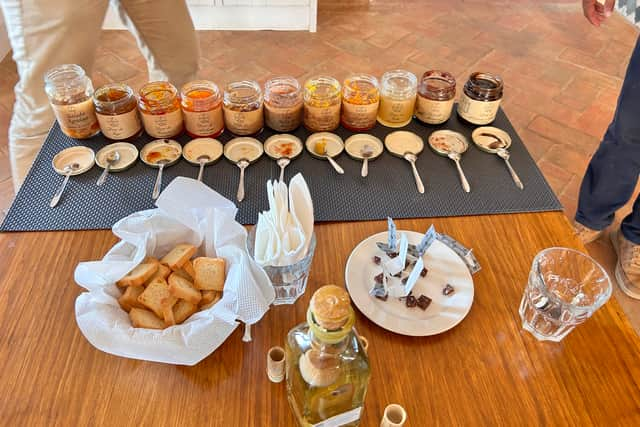
Alongside rearing animals, raw materials such as cork, carob and fruit grow in Quinta do Freixo’s forests. Production takes place on site too, and Luis gives me a tour of the jam and chutney factory. I sample Quinta do Freixo’s tomato, quince and pumpkin jams, and purchase a jar of fig jam to bring home as a present for my friends.
Similarly, sardine canner Conserveira do Arade has developed its own unique product – petiscada. The preserved fish delicacy is made with traditional Algarvian ingredients, including vegetables, tomato, green pepper, olives and sweet potato.
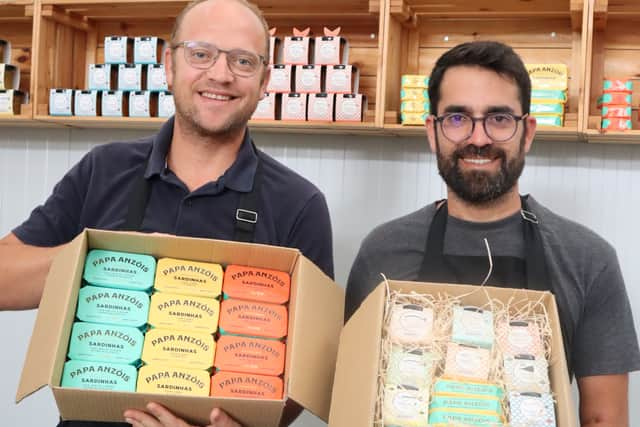
Portuguese sardines are much bigger, Vincent explains. The fatter the fish, the more nutritious it is. Conserveira do Arade debone, gut and clean their fishes, before placing them in steam ovens and then brining them in saltwater, as this method of dehydration retains the fat in the meat. Once processed, the fish is mixed with vegetables to create the petiscada, a chunky pate, which is best eaten spooned onto crackers.
Fresh seafood
While sardines are synonymous with Portugal, oysters are the star attraction for a tiny island just off the coast of the Algarve.

Around 90% of oysters farmed – around seven tonnes per week – is sold to businesses, mostly in Paris, for around €20/£17 per oyster.
Alongside oysters, residents also sell clams and fish. I speak to a fisherwoman about life on the island.
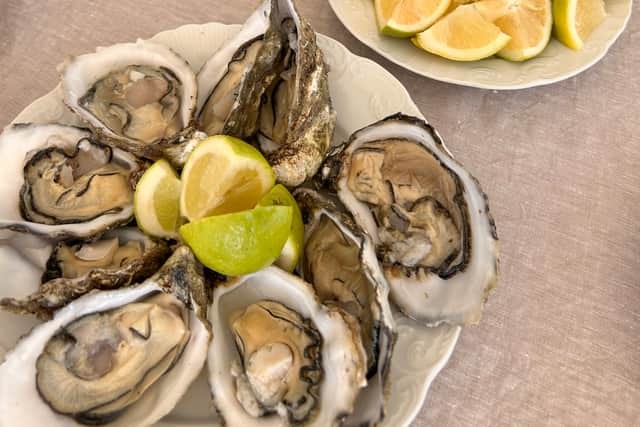
I get the chance to sample Culatra’s speciality oyster, the triploid, eaten with fresh limes and a simple onion and vinegar dressing. Afterwards, I head to one of the few restaurants on the island, Cafe Janoca, where staff serve bowls of clams cooked with parsley butter and lime, garlic prawns, and salad, washed down with local Portuguese beer.
Elevated dining experiences
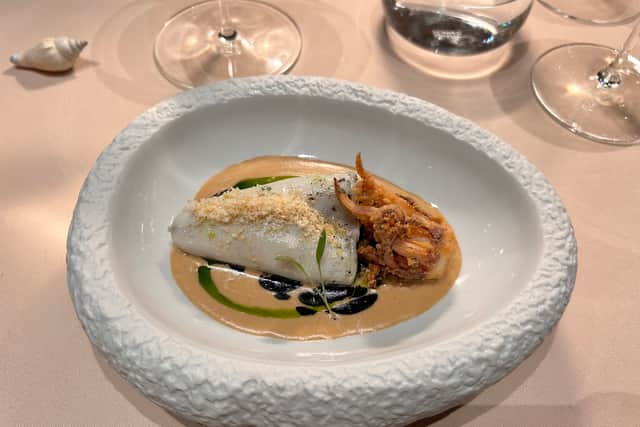
On offer is an eight-course tasting menu, paired with rare and unusual Portuguese wines (£240pp).
To begin with, we are served Algarvian coastal prawns cured in salt and sugar, with sea urchin and orange blossom. Oysters, cuttlefish and mussels reign supreme throughout the menu, with the final dessert course consisting of local carob, almond and fig, making this whole experience a true celebration of Algarvian cuisine.
How to plan your trip
The Viceroy at Ombria Algarve (viceroyhotelsandresorts.com) has doubles from £450 with breakfast.
For more information on the destination, visit Algarve Tourism (visitalgarve.pt/en)