
Wimbledon court fashion throughout the years


As the Wimbledon Championships return once again, the iconic tournament brings more than just tennis.
Since 1877, the British Grand Slam has been serving up style and sport with its strict all-white dress code.
Here’s a look back at 100 years of Wimbledon court fashion – from tailored trousers to high-tech kit.
Twenties
The Twenties marked the beginning of modern sportswear.
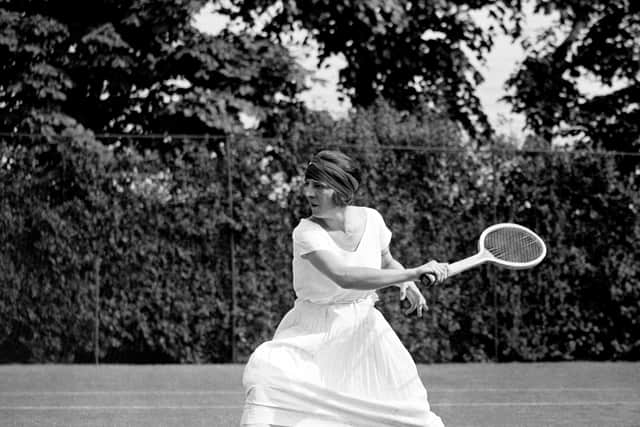
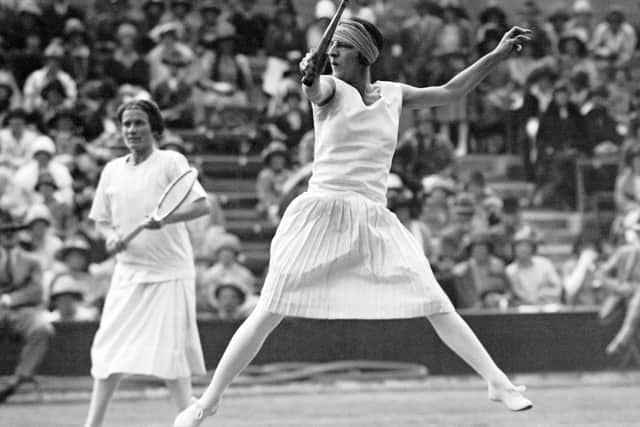
On the men’s side, René Lacoste, also French and a multiple-time Grand Slam champion, was equally influential.
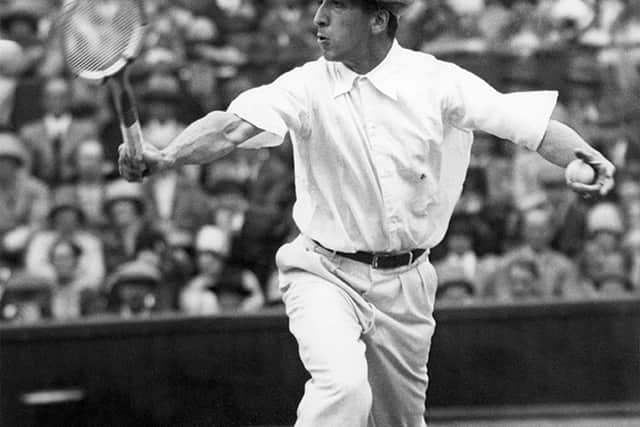
Lacoste introduced a short-sleeved, piqué cotton shirt with a soft collar that could be flipped up to protect the neck from the sun – later to become known as the polo top.
Lacoste stitched the emblem of a crocodile onto his shirts – referencing his nickname “the crocodile” for his tenacity on court – which would later become the logo of his eponymous label founded in 1933.
Thirties
Come the Thirties, Wimbledon court fashion shifted toward sleeker, more functional attire, with style becoming an extension of athletic performance.
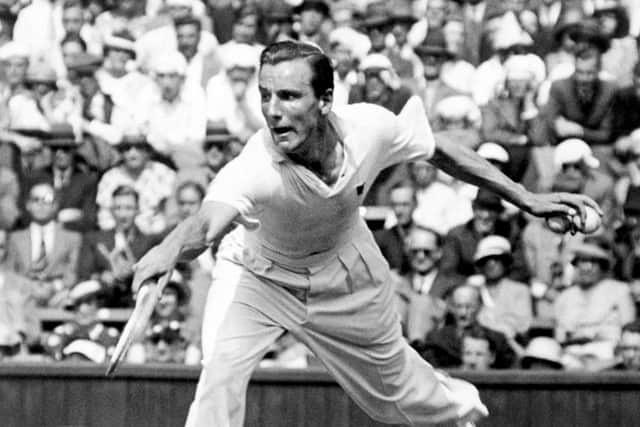
During his run of three consecutive Wimbledon titles from 1934 to 1936, Perry moved away from the heavy, layered looks of previous decades, favouring lighter-weight polos and clean-cut trousers.
Though his signature laurel wreath polo wouldn’t debut until the Fifties, his clean, fuss-free aesthetic laid the groundwork for modern sports fashion.
Fifties
This was an era that defined post-war modernisation in tennis style.
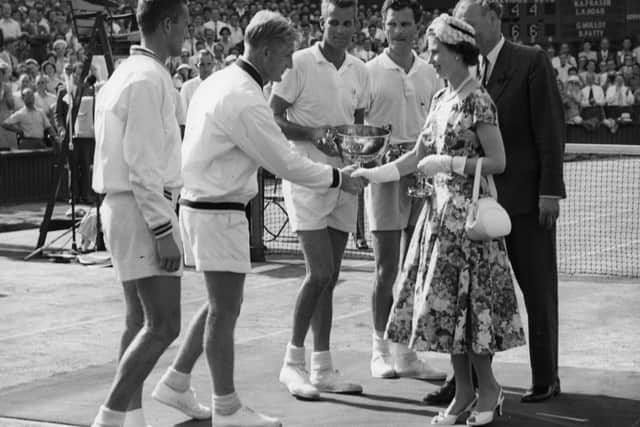
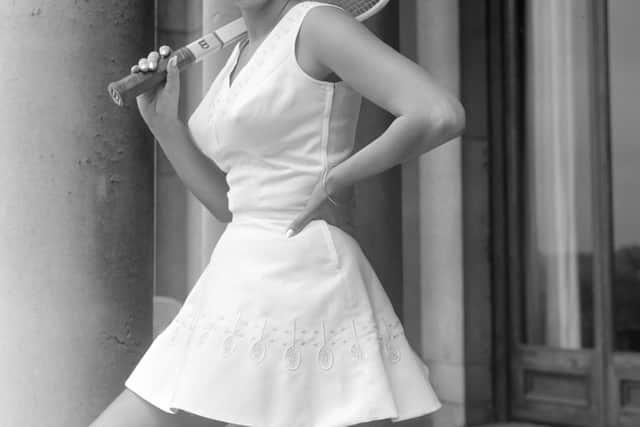
Cinched waists and pleated skirts maintained elegance while allowing for agility, and many players any incorporated subtle design flourishes – like Peter Pan collars or delicate piping – while still adhering to the tournament’s famously strict dress code.
Sixties
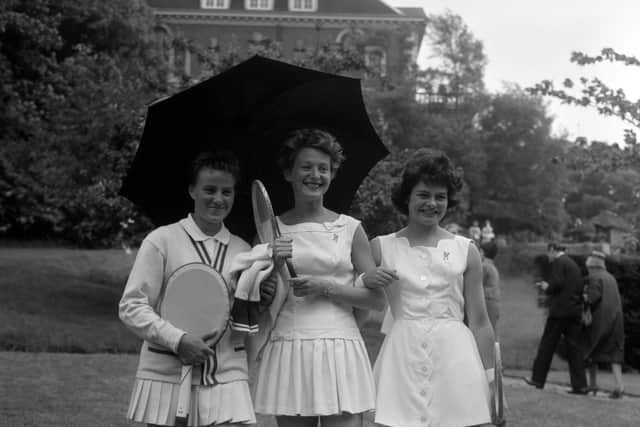
Women’s hemlines inched higher, cuts grew more streamlined and materials like synthetic blends began to replace heavier natural fabrics, allowing for better movement and comfort on court.
British tennis player Angela Buxton, who had made her mark in the early Fifties by winning the Wimbledon women’s doubles title alongside Althea Gibson, embodied a practical elegance in her kit.
Seventies
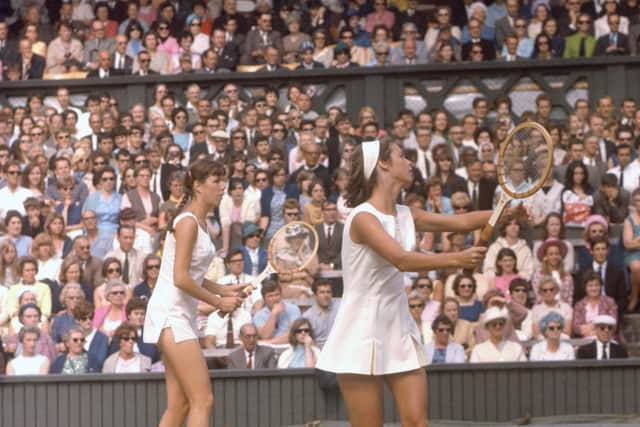
The Seventies reflected the social and cultural shifts of the era – freer silhouettes and bolder style statements began to trickle onto the Wimbledon courts.

King’s looks balanced function with a quiet defiance of convention. Still bound by the all-white dress code, she opted for tennis dresses that were more streamlined with subtle style flares, such as flower power embroidery or lace.
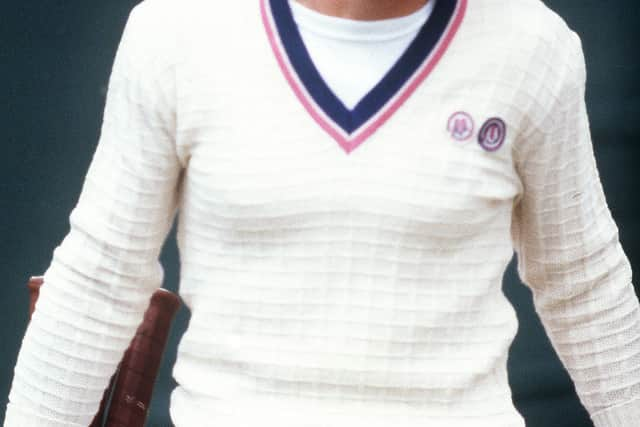
Eighties
The Eighties saw tennis wear become more performance-oriented, and while the all-white dress code remained, players began to incorporate colour.
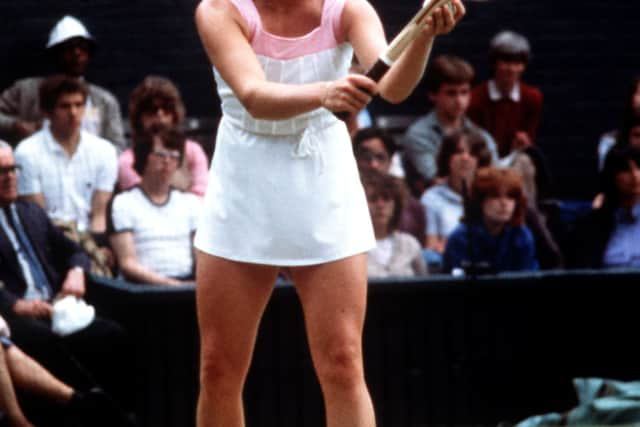
Her outfits were clean and conventional with a hint of preppy-ness.
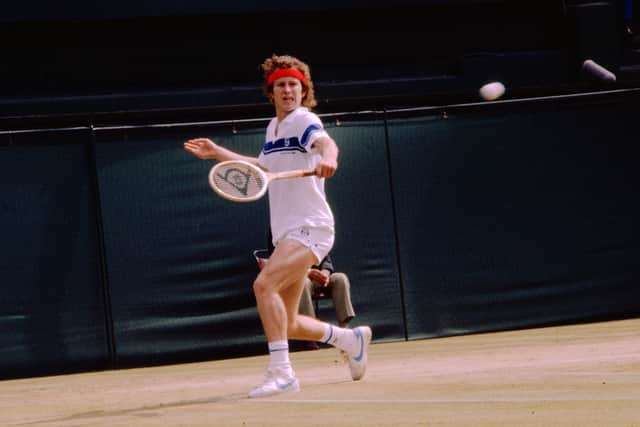
Often seen in Nike, McEnroe’s outfits hinted at the growing influence of sports brands in tennis, and his attitude added a cool, anti-establishment feel to the traditional whites.
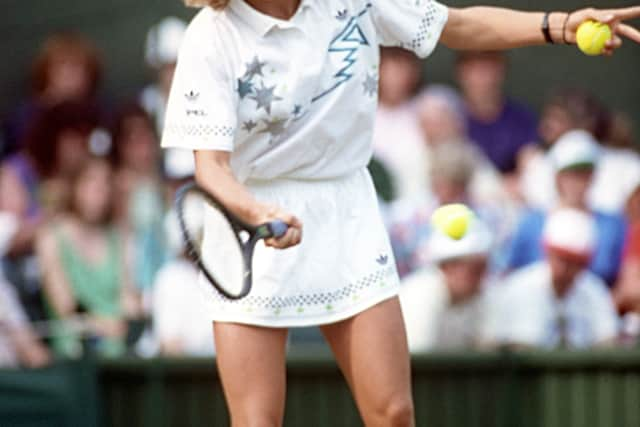
Nineties
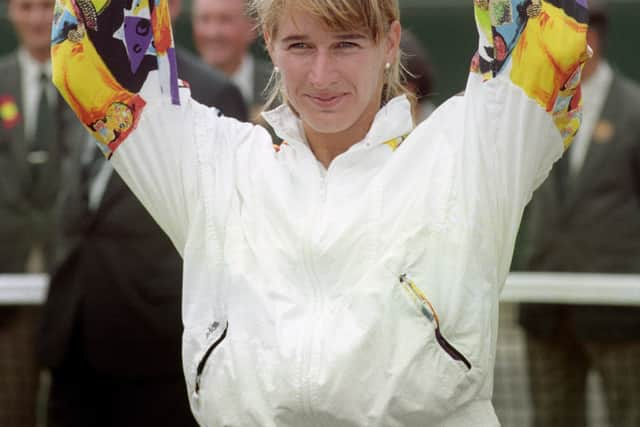
The Nineties also saw the arrival of the Williams sisters.

Colour was no longer a way of subverting the strict dress code, but shape, cut-outs and confidence set the stage for Wimbledon style of the 2000s.
2000s
In the 2000s, American sisters Venus and Serena Williams transformed the sport’s sartorial landscape.
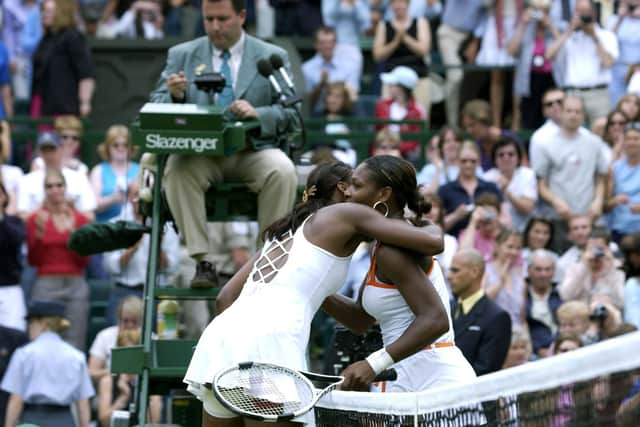
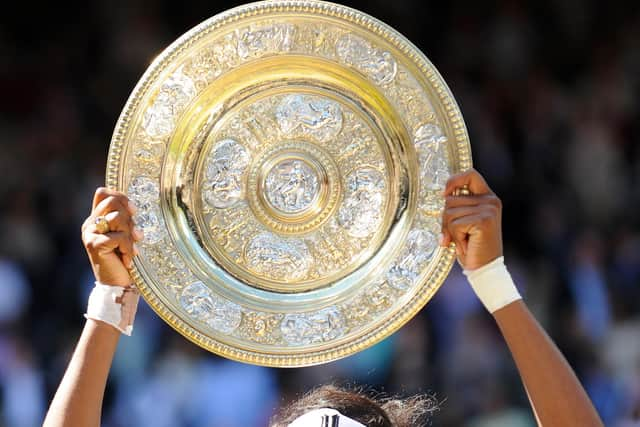
Serena, meanwhile, became synonymous with her bold style both on and off the court.

By the 2010s, Wimbledon’s court fashion became even more theatrical, embracing almost a business-casual look that mimicked the trends of the time.
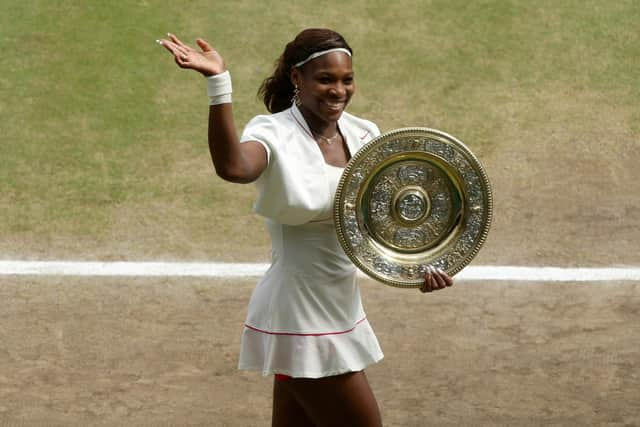
Her dresses during this time often featured peplums and frills that mirrored the trends of the decade.
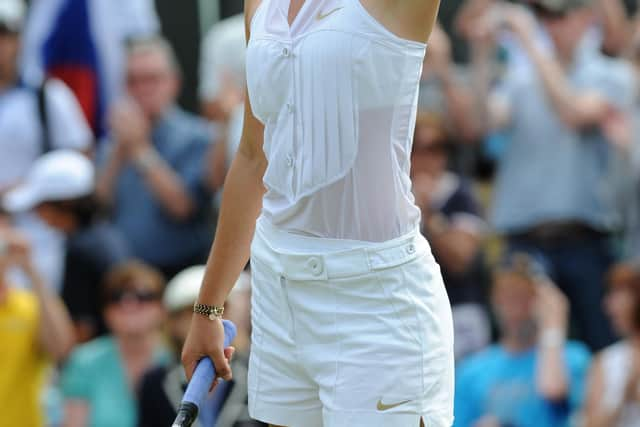
The players’ wardrobes became as much a part of the conversation as their tennis – sparking headlines, brand collaborations and a new kind of relationship between sports stars and fashion houses.
2020s
By the late 2010s and early 2020s, Wimbledon fashion took a turn toward ‘quiet luxury’, where clean lines and understated elegance defined the look of the modern tennis elite.
The emphasis shifted from flashy silhouettes to thoughtful detailing, with rising stars like Britain’s Emma Raducanu and America’s Coco Gauff exemplifying this evolution.
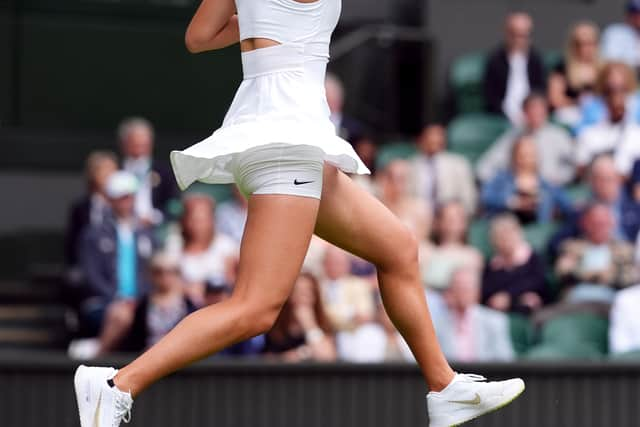
Off the court, Raducanu has become a fixture in the fashion world, signing major campaigns with Dior and Tiffany & Co., and regularly wearing high-end jewellery on the court – leading to the popularity of the tennis bracelet.
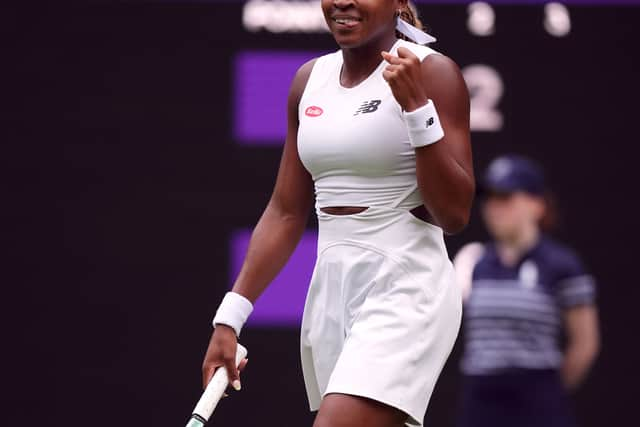
Off the court, Gauff is known for championing individuality, often mixing sportswear with street style.
Together, Raducanu and Gauff represent the generational shift tennis fashion is taking by being brand conscious on the court for their career off it – proving that Wimbledon is as much about style as it is about the sport itself.