
Winter hair rescue: How to care for dry hair and make it shiny again

If your locks are looking lacklustre, you need to soothe your itchy scalp and fix those split ends before spring sets in, there’s no time like the present.
“It’s extremely common for people to experience hair damage in winter and the colder months,” says Nicola Wood, leading hair professional, entrepreneur and founder of Hair Made Easi.
“The cold weather during winter months can be extremely harsh on your hair – as temperatures reduce, the air gets drier, which results in your hair receiving less moisture.”
When the air saps all moisture out of your scalp, she says your hair can become dehydrated, brittle, dull and lifeless.
“Hair requires moisture and nutrients in order to grow and stay healthy, therefore the winter months can be detrimental to your hair health,” notes Wood.
Here, experts reveal how to cheer your crowning glory…
Get a trim
“The first thing is to have a trim to remove any split ends,” says Anabel Kingsley, consultant trichologist and brand president at Philip Kingsley.
After doing this, and to keep those splits from re-appearing, the following steps will improve the health of your hair from root to tip…
Use an intensive hair mask
Increased heat styling can leave strands parched and brittle, notes Kingsley.
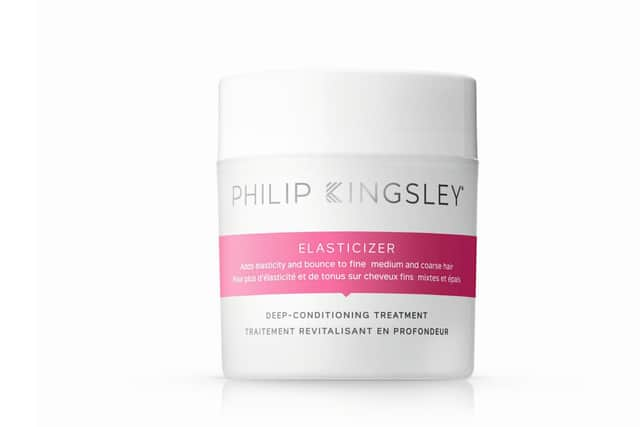
To help restore hydration, strength and shine to hair, she says to use a weekly pre-shampoo deep-conditioning treatment to plump strands with moisture. This will also “seal the outer cuticle, giving a lovely reflective shine”.
Air-dry when you can
As we move into the warmer months, try giving your hair a break from heated tools by air-drying whenever you can, suggests Kingsley. “Embrace any movement in your hair by gently scrunching with a curl-defining cream.”
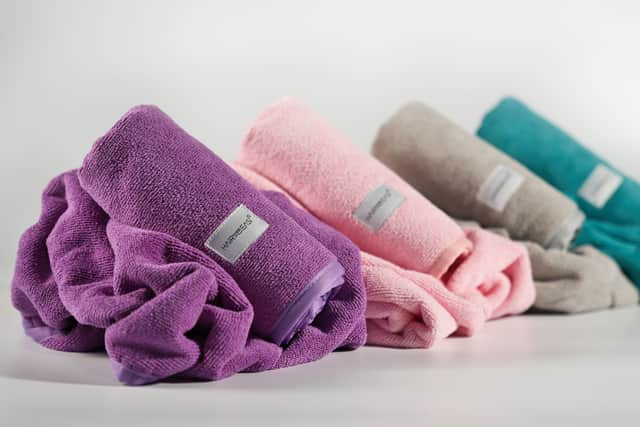
“I always recommend using an extra-absorbent hair towel to eliminate the need for a hair dryer,” suggests Wood. Choosing one made from anti-frizz, gentle microfibre material is “perfect for fragile winter hair”.

“Other tools such as hair straighteners, wavers and curling tongs can also cause hair to deteriorate, so try to only use them when necessary,” advises Woods. “And when you do, definitely use a heat-protectant spray or treatment prior.”
For a technique tip, Kingsley says to hold your blow-dryer at least six inches away from your hair and use a vented brush to help with heat dissipation.
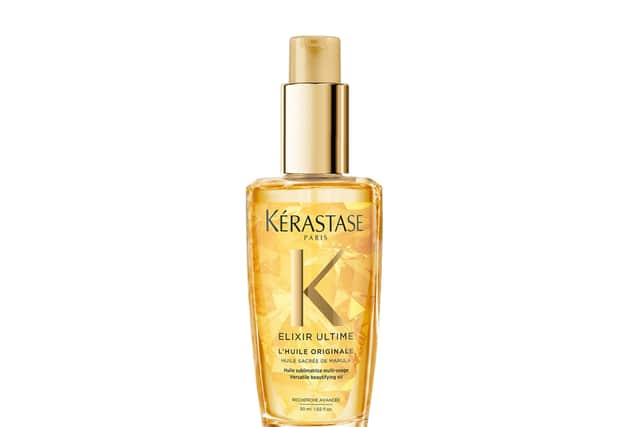
“If you find your hair is still frizzy after drying, try applying an anti-frizz serum before (and after) to help combat fly-aways.”
Give your scalp some extra TLC
Flaky scalps are common, but even more so in winter…
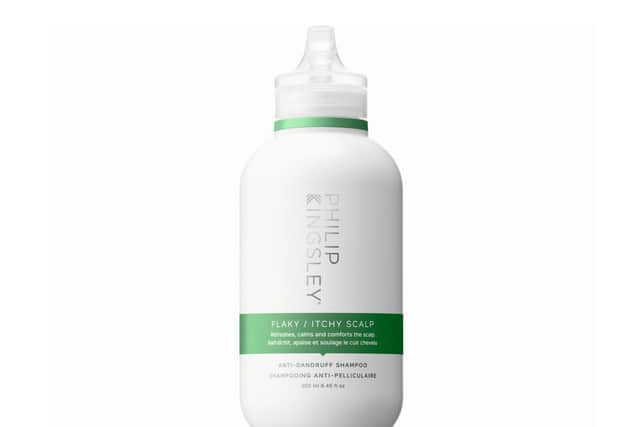
“Flaking of the scalp can cause hair loss, and also impact the quality of hairs we’re producing,” she warns. “Revive and refresh your scalp by using a weekly exfoliating scalp mask, and a nightly balancing serum.”

She says healthy hair starts at the root, so caring for your scalp is vital, especially in winter. “Also remember to apply all products to your scalp as well as the ends – many people avoid the scalp when it comes to using oils and masks, as they assume this will promote grease.
“However your scalp is where the hair strands receive their nutrients,” advises Woods.