
Woman, 27, bedridden for two years by Lyme disease urges others to ‘educate yourself’ as she faces uncertain future
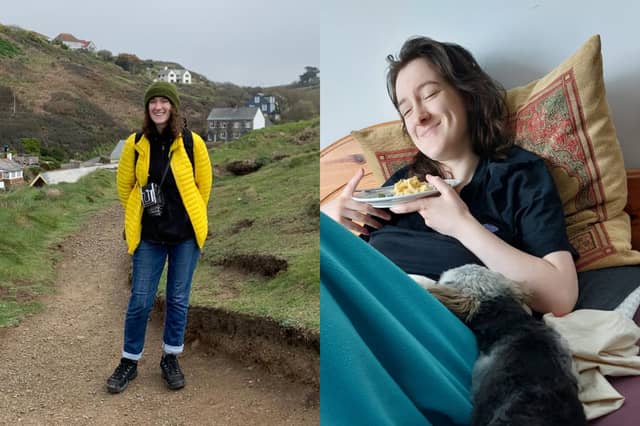

A 27-year-old who has been bedridden for two years after being diagnosed with Lyme disease urged others to “educate yourself” on tick-borne illnesses, as she now faces an uncertain future.
It is thought Maia Pavey, from Erith, south-east London, was bitten by a tick during her teenage years, as she was involved with a branch of the Scouts and spent hours outdoors in woodland and grassy areas.
Having no obvious symptoms however, Maia carried on with her life. But after contracting Covid-19 in March 2022, her health took a turn, and she became bedridden in August 2023 with “crushing” fatigue, numbness, pain in her limbs, dizziness and nausea.
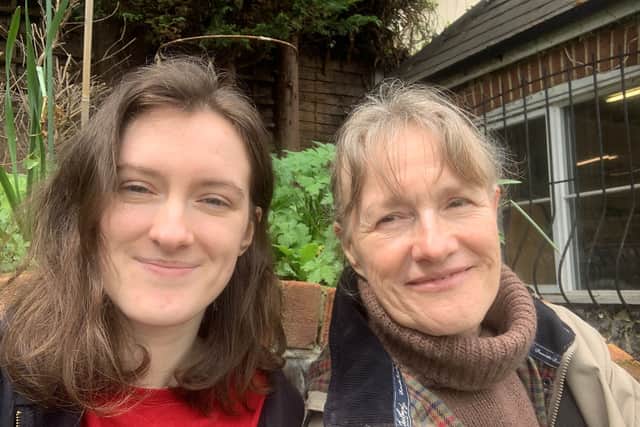
Maia’s mother, Helene, 66, a self-employed private tutor who has become Maia’s full-time carer, said she suspects the Lyme disease lay dormant for many years before it was “reactivated” by Covid-19, and Maia was diagnosed with the bacterial infection in December 2024.
Maia has been diagnosed with a list of overlapping medical conditions and she says her “independence is gone completely”, as she now eats and goes to the toilet from her bedside, only leaving for urgent medical appointments.
There is a glimmer of hope on the horizon however, as the delivery of antibiotics through an IV drip appears to have improved her condition – and Maia hopes to manage her symptoms or even achieve remission in the future.
“Educate yourself about tick-borne illnesses and the ways to avoid them or protect yourself,” Maia told PA Real Life.
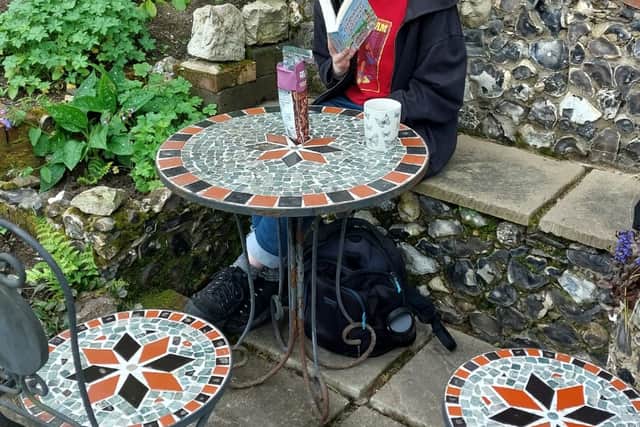
“And if you know someone dealing with a chronic illness, reach out to them regularly. They are probably quite lonely.”
Lyme disease can be spread to humans by infected ticks, and it is usually easier to treat if it ‘i diagnosed early, according to the NHS.
While it is not certain, Helene suspects her daughter was bitten by a tick during her teenage years.
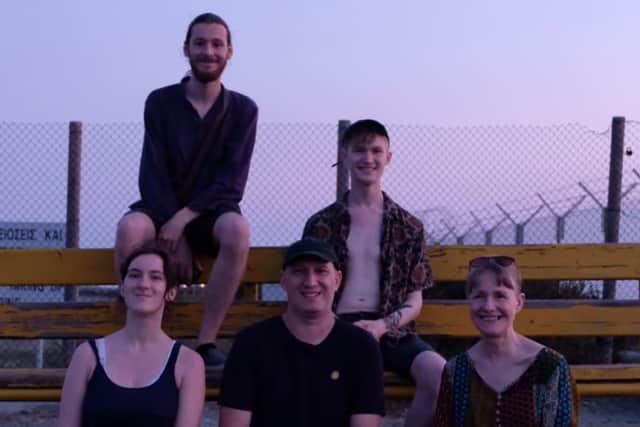
A circular or oval shape rash around a tick bite can be an early symptom of Lyme disease in some people, according to the NHS, but Helene said neither she nor Maia saw anything to indicate she may have been bitten.
“You don’t suspect anything – maybe Maia didn’t have any symptoms at the time, maybe she had a slight flu or temperature that we didn’t connect to anything else,” Helene said.
While it has not been confirmed, Helene said she suspects Maia’s Lyme disease lay dormant for many years until it was “reactivated” when her daughter contracted Covid-19 in March 2022.
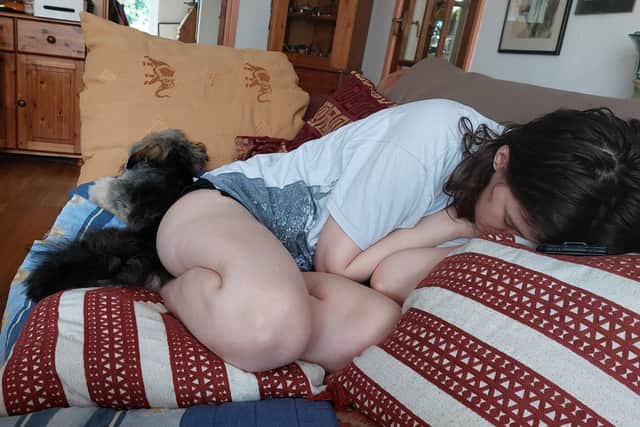
She said Maia started to feel “really unwell” in the summer of 2023, with “crushing” fatigue, numbness, pain in her limbs, head pressure, heart palpitations, dizziness, nausea and problems with her comprehension and cognition.
Maia has been bedridden since August 2023, and Helene said the family spent “a lot of time not knowing” the cause of her symptoms.
Maia received a confirmed diagnosis for Lyme disease in December 2024.

“At that point, I was struggling to do anything, so crying for an hour wiped me out for over a week,” Maia said.
“Then eventually when I was told about the disease, so much of my life made sense. I realised I’ve been suffering from this for a long time.”
Helene said Maia was also diagnosed with two bacterial co-infections, Bartonella, a disease spread by insects or cat scratches, and Babesia, a tick-borne parasite infecting the red blood cells.
“Ticks carry many things, many horrors,” Helene said.
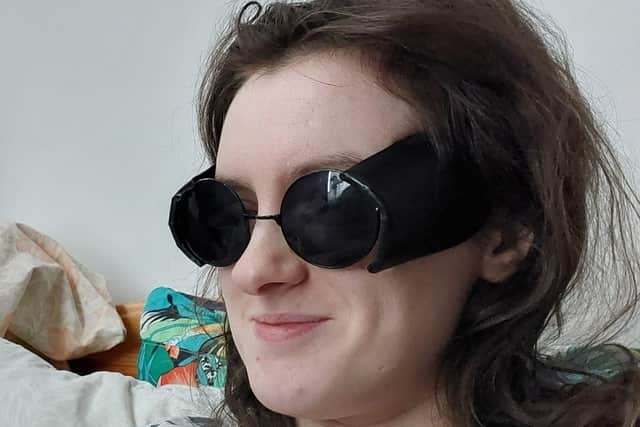
According to Maia’s doctor, in documentation seen by the PA news agency, she has been diagnosed with a list of complex and overlapping medical conditions.
These include post-Covid-19 syndrome (long Covid), chronic Lyme disease and multiple tick-borne co-infections, and postural tachycardia syndrome (PoTS), a debilitating condition caused by an abnormality of the functioning of the autonomic nervous system, according to PoTS UK.
As a result, Maia has not been able to get out of bed for more than two years – apart from to attend urgent hospital appointments.
“It’s even harder when I can’t do anything to cheer myself up.
“There are bad days and there are worse days, and sometimes there are OK days. I cry a lot, but I just have to keep going.”
Maia also said her “independence is gone completely”.
“I have my meals in bed, and I pee in a bed pan in bed,” Maia said.

She added: “I can’t read word-only books, watch TV, listen to music, have lengthy conversations or go out for a walk.
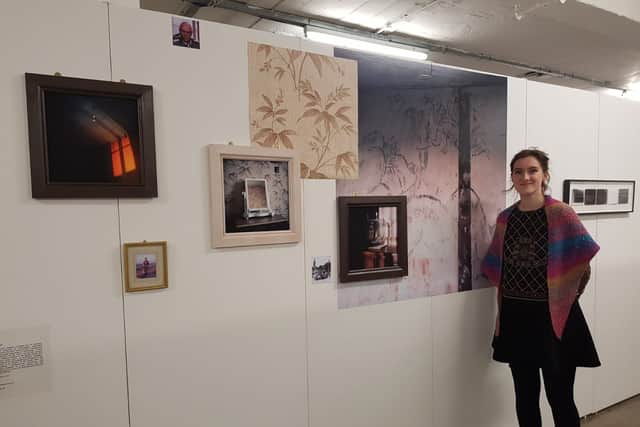
“I’m an artist and I can’t even draw – I haven’t been able to for two years.”
Helene said she has become Maia’s full-time carer, with help from her husband and Maia’s partner.
“My focus is on making her day-to-day living as comfortable as possible, managing her anxiety and her sadness, and staying as positive as possible for her sake,” Helene said.
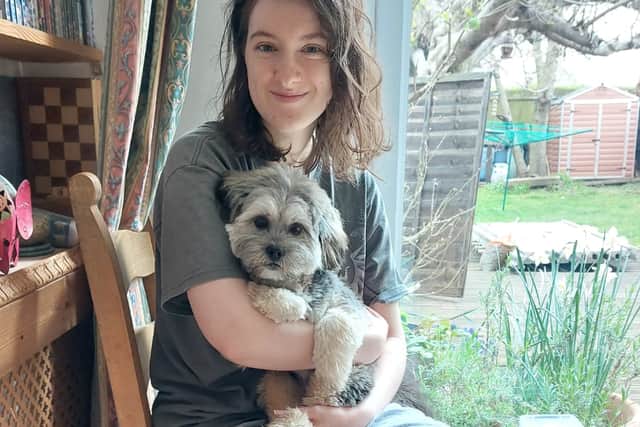
Maia and her partner, Tristan, had to close their photo lab studio in May 2024, as she is now unable to work.
Their relationship has also been affected, and Maia said being physically intimate, apart from hugs and holding hands, is “impossible”.
“It’s been hard, but this illness has shown just how much he loves me because he has stuck around and cared for me,” Maia said.
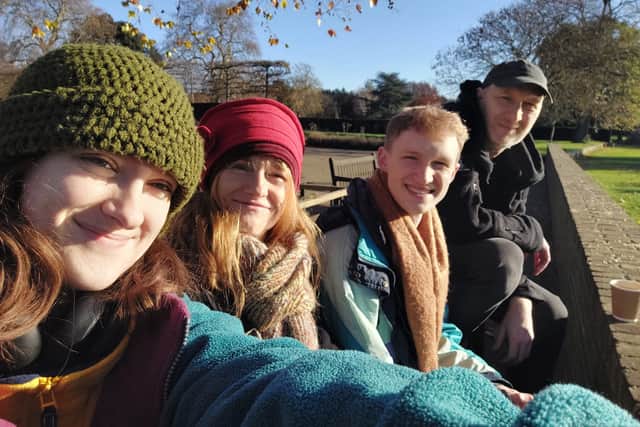
Maia has been using medication to treat the infection and manage her symptoms, including antibiotic treatment through an IV drip.
After 10 weeks of the antibiotics, Helene said the family could see “some improvements”.
“She can tolerate more light and sound, she’s able to have slightly longer conversations,” Helene said.

This has prompted the family to launch a GoFundMe page, raising more than £5,000 so far.
Looking ahead, Maia said: “I’m responding to treatment well, but slowly.
“I hope that I can return to normal function and manage the chronic Lyme or even reach remission.”
To find out more, visit the fundraiser for Maia here: gofundme.com/f/continue-to-finance-maias-lyme-treatment-and-her-recovery.