
Woman who has not eaten normal meal for two years after Covid triggered condition had to pay for life-changing surgery
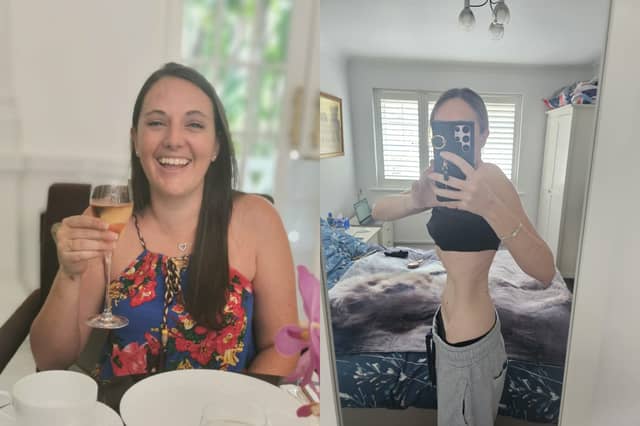

A woman who has not eaten a regular meal for nearly two years after Covid-19 triggered a rare stomach condition had to pay £23,000 on surgery unavailable on the NHS.
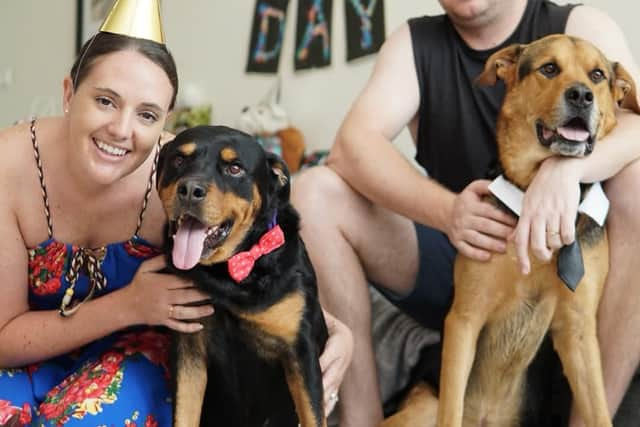
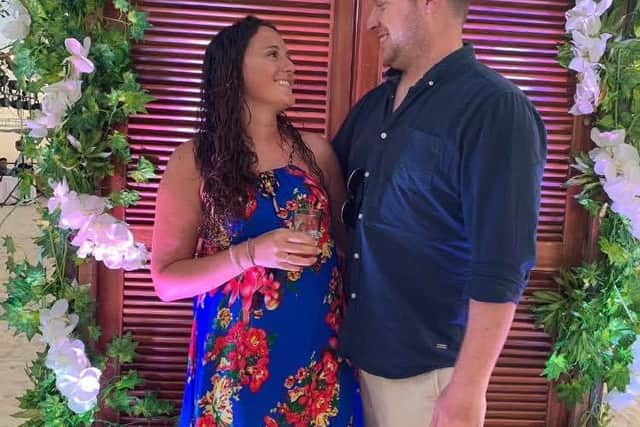
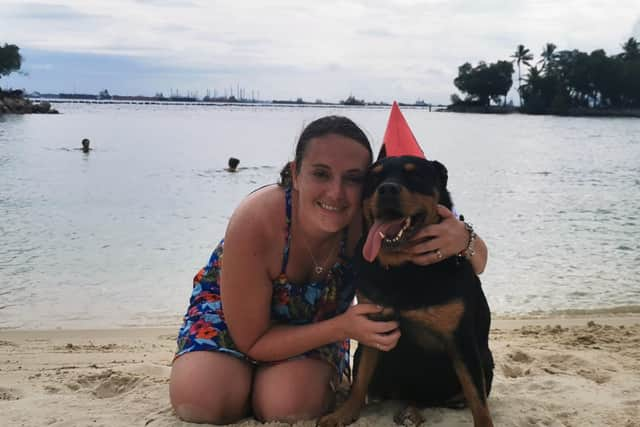
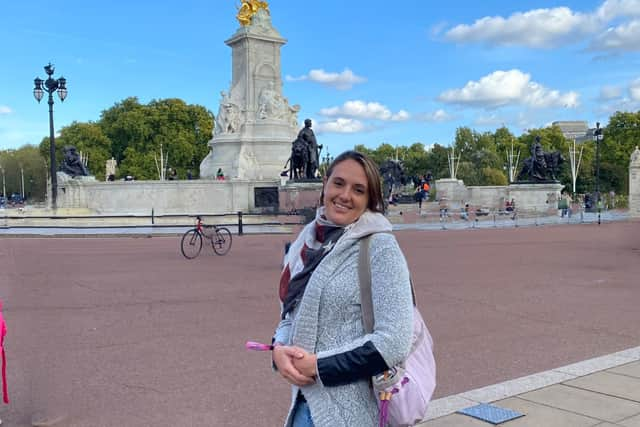
Jess Carlson, 34, originally from London, had been living in Singapore since 2018 with her husband, Dan Mogg, 36, but in May 2023, she contracted Covid-19 and her health took a shocking turn.
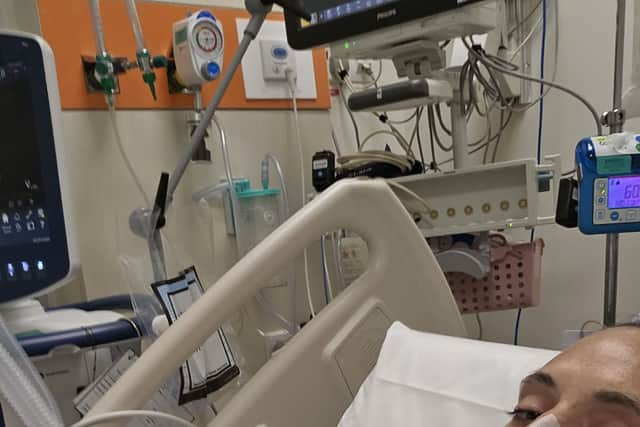
Jess, who is now based in Essex, had to be put in an induced coma and placed on feeding tubes, and it is thought the virus caused persisting problems with her stomach which made her vomit constantly after eating.
Losing nearly 30 kilograms (4st 10lbs) in the eight months following, Jess decided to return to the UK to be closer to family and to seek help via the NHS as she began to suffer with seizures and blackouts with the lack of nourishment.

She had an operation on Monday to insert a gastric pacemaker into her stomach to help her eat normally again, but it could take up to a year to see whether the surgery has been successful.
Relying solely on GoFundMe donations, Jess has been able to cover the £23,000 cost of the operation as it is not available on the NHS in England, prompting her to launch a petition for the treatment to be government-funded.
“There were days where it was constant and I hadn’t been to sleep because I was throwing up for hours.
“I’m classed as one of the lucky ones to only be going through this for two years, I’ve spoken to people who have waited 10, 20 years for a diagnosis.
Jess and her husband of six years, Dan, relocated to Singapore in 2018, but towards the end of May 2023, Jess contracted Covid-19 for the second time.
Her health rapidly deteriorated for a week, even worsening after she tested negative for the virus.
She was admitted to hospital in Singapore where it was found her oxygen levels were very low.
“I was struggling to breathe and the next thing I knew, I woke up a few days later in the ICU and they were taking me off a ventilator.
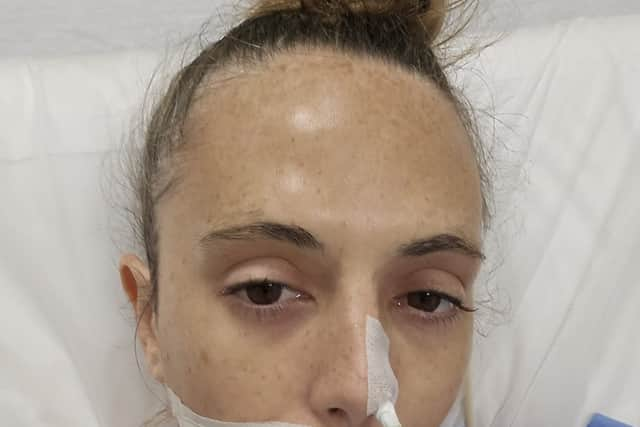
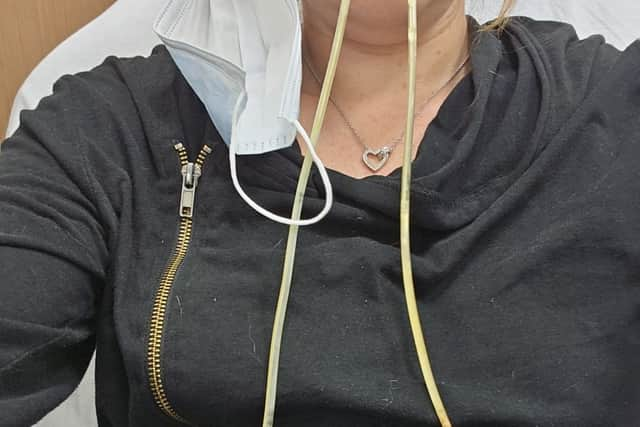
“They put me in an induced coma and I had a feeding tube placed down my throat and into my stomach.
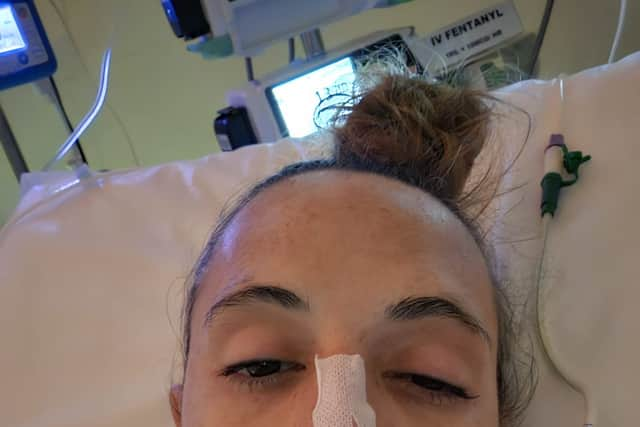
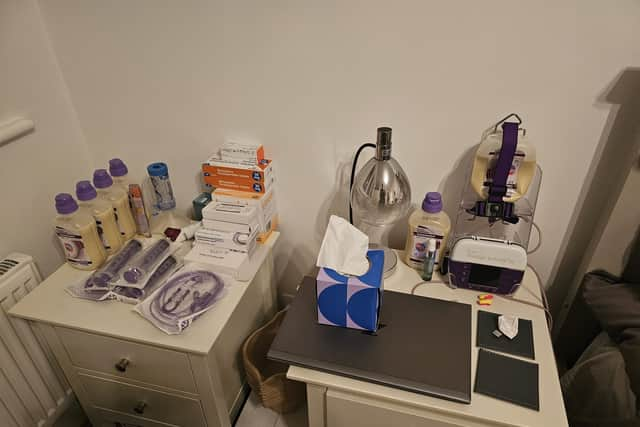
Jess continued to have problems eating for several months where she was in and out of hospital and tube-fed with liquids, even when at home.
“I just kept losing weight, I was throwing up shortly after I was eating anything… I couldn’t eat anymore,” she said.

“We held off as long as we could but I wasn’t getting any better,” she said, adding Dan stayed to continue working and support the couple financially.
Throughout this time, Jess’ weight plummeted, with her 5ft 7in frame dropping from 80 kilograms (12st 8lbs) to 52 kilograms (8st 2lbs) when she returned to the UK.
Still struggling to keep anything down, Jess started experiencing seizures, blackouts and dizziness due to dehydration and malnourishment.
At a hospital, which she did not wish to name due to an ongoing claim, Jess underwent several tests but nothing “physically wrong” could be found.
The long-term condition refers to problems with the stomach muscles where food passes through much slower than it should, with just 14 in 100,000 people diagnosed in the UK, according to the charity Guts UK and cases as severe as Jess’ are rare.
Jess said her doctors estimate Covid-19 triggered the condition through a viral reaction, but it is not possible to narrow down the cause entirely.
“I think there’s thousands of people suffering and not getting the help they desperately need because they’re not well enough to fight for themselves.”
Since receiving her diagnosis, Jess remained on feeding tubes and had Botox injections in her stomach, while also trying different medications to ease her symptoms.
“I should be able to eat again but it’s sort of like a baby learning to eat, I’ll go from liquids and mush to eventually solids,” she said.
As the surgery is not available on the NHS in England, Jess had to rely solely on GoFundMe donations to cover the costs of the pacemaker and the hospital fees, which came to £23,000 in total.
She has also launched a petition campaigning for the government to fund the operation going forward.
An NHS spokesperson said: “Gastroparesis is a debilitating and complex condition, and we sympathise with anyone affected by it.
“NHS England remains committed to funding clinically effective treatments where they are supported by strong evidence and affordable for the NHS, but so far there has been insufficient robust evidence to justify routine commissioning.
“Clinicians can trigger a review of our commissioning policies if new evidence is published.”
To find out more, visit Jess’ online petition here: petition.parliament.uk/petitions/714390