
‘Worrying picture’ for cancer patients amid workforce shortages
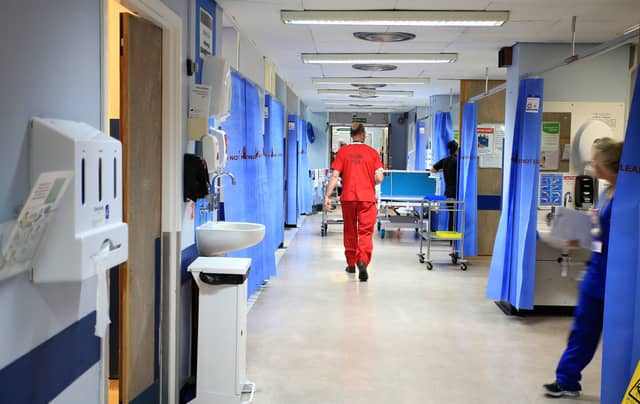

The impact of ongoing workforce shortages is creating a “worrying picture” for cancer patients in the UK, two new reports have highlighted.
The Royal College of Radiologists published its Clinical Oncology Census Report and Clinical Radiology Census Report on Thursday, based on responses from cancer centre heads and clinical directors of radiology departments.
The surveys found Scotland suffered from a 13% shortfall of clinical oncologists in 2021, meaning the country is not currently at the level required to deliver improved cancer care.
The shortfall is projected to increase to 21% by 2026.
There was also a shortfall of 23% recorded in clinical radiology, with 103 fewer radiologists than required.
With a projection of a 30% shortfall by 2026, this level means Scotland could be unequipped to deal with rising demand in services in the future.
In 2021, Scotland had the highest (per annum) oncology workforce growth rate in the UK at 5%, while long-term growth since 2016 has been 6% – double the UK average of 3%.
A “cause for concern” was also acknowledged in workforce growth for radiologists, with 67% of vacancies being unfilled for 12 months or more – leading to areas of Scotland facing long-term workforce shortages.
Some 80% of cancer centre heads in Scotland said they were concerned over workforce shortages impacting the level of care offered to patients – the highest level of concern recorded in the UK.
The clinical oncology report stated the findings represent a “workforce that is under extreme pressure”, adding “the issues were already stark before the pandemic, but the backlog of care and pressure of the pandemic have exacerbated the workforce issue further”.
Those surveyed raised concerns over workforce morale, stress and burnout being experienced by staff members, with fears this could further contribute to shortfalls.
Failure to address the critical workforce shortages will “severely impact backlog and patient outcomes”, the Royal College of Radiologists said.
For every month that cancer treatment is delayed, the risk of death can be raised by 10%, it added.
Jeanette Dickson, president of the Royal College of Radiologists, said: “Whenever I speak to consultant radiologists and consultant oncologists, the number one issue is workforce.
“The situation we’re in is simply unsustainable, and as these reports show, the impact of doctor shortages is being felt across the country and affecting our ability to diagnose devastating illnesses such as heart disease and stroke, but also our ability to diagnose and treat cancer in a timely manner.
“More training places have been provided recently, but we need a long-term, fully funded sustained investment that builds in a permanent increase in training numbers, trust funding to employ these trainees, and significant investment in IT and equipment.
“Doctors are burnt out and if we don’t address these workforce issues soon, the picture is going to get a lot worse in future years.”