


As we dust off our fuzzy socks and snow boots, footcare may be at the bottom of your beauty list this season. But as party season calls for strappy heels and dancing shoes, your feet require a little extra care than usual.
Podiatrists and skincare experts delve into the ultimate footcare routine to banish cracked heels, corns and calluses this winter.
Must-do list
“Apply a rich foot cream every evening, focusing on the heels and other dry areas to prevent cracks and keep your skin soft,” advises Paint Nails London‘s pedicurist, Sam Thai.
“Always dry your feet thoroughly, especially between the toes, and change out of wet socks or shoes promptly to prevent fungal infections,” says Thai.
Also remember to “wear breathable socks, like those made of cotton or wool, and choose comfortable shoes that provide good support”, suggests Thai.
Things to avoid
Don’t “use hot water for soaking – lukewarm water is better to avoid stripping natural oils. Don’t neglect your toenails; trim them straight across to prevent ingrown nails,” says O’Donoghue.
Scholl Pedi 2-in-1 Electronic Foot File System, £42, Boots
How to prevent cracked heels, corns and calluses
Cracked heels and hard skin are harder to keep at bay during the winter time due to dehydration, uncomfortable footwear and lack of outside exposure.
“It is important to remove dry hard skin regularly with a good-quality foot file, and to moisturise the skin of the feet,” explains Britain’s leading podiatrist Margaret Dabbs OBE.
If you find cracked heels are worsening or recurring, this could be due to an underlying health issue. “If you suffer with diabetes, it is especially important to look after your feet,” explains Dabbs, “and regular visits to the podiatrist or foot health practitioner is essential.”
For a deeper hydration beyond regular moisturising, Thai recommends applying a generous layer of body butter before bed and wearing cotton socks overnight to lock in moisture. “Ingredients like shea butter and glycerine are excellent for deep hydration,” says O’Donoghue.
Margaret Dabbs Intensive Hydrating Foot Lotion – 200ml, £26
The best at-home foot routine
Whilst many of these steps sound like an added chore for an already hectic month, the experts detail an easy at-home footcare routine for achieve spa-worthy results.
Firstly, start with a clean base. “Ensuring your feet are washed and clean before any type of treatment or cream is a must,” says La Marre. After cleansing, a foot soak can relax tired muscles and prepare your skin for further care. “Soak your feet in warm water with Epsom salts or a moisturising soak solution for 10–15 minutes,” suggests Welsh.
Exfoliation is the next step. “Use a good-quality foot file on dry feet to remove all the hard, dead skin easily, leaving the skin smooth to the touch,” says Dabbs. Follow with a gentle foot scrub or exfoliant to remove any remaining roughness.
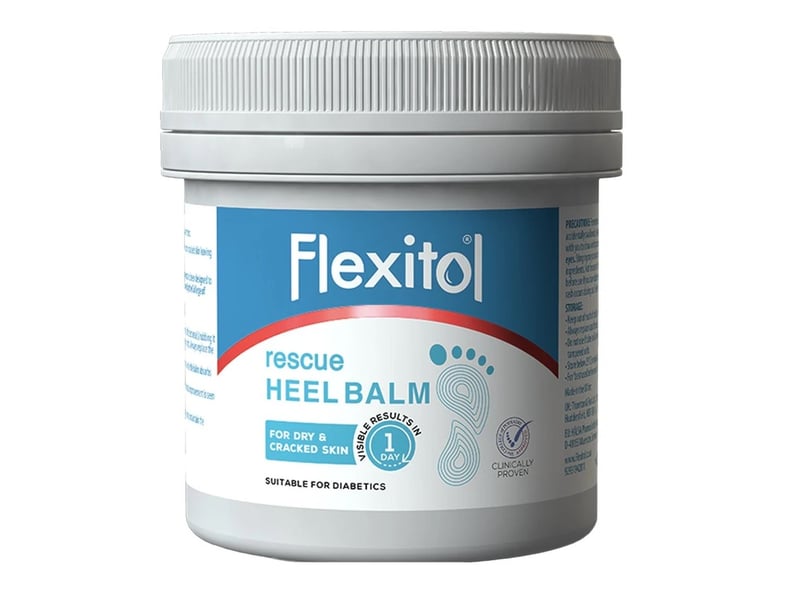
Once exfoliated, hydrate deeply. London Grace‘s founder, Kirsten White suggests applying a thick layer of foot cream, followed by a foot massage to boost circulation. “For very dry feet, an overnight mask like Flexitol paired with cotton socks can work wonders,” adds Welsh.

1.
London Grace Neat & Tidy Cuticle Softener, £14
2.
Flexitol Rescue Heel Balm – 485g, £15.20 (was £26.99), Just My Look