Donegal is the fourth largest county in Ireland with a population of approximately 180,000 people.
That population is projected to increase significantly by 2050 under national and regional growth scenarios. Whilst no one can provide an exact figure for the increase, when modelled against national and international projections it could reasonably reach 220,000.
Such growth will require tens of thousands of additional homes together with supporting infrastructure, entailing new roads, wastewater treatment plants, utilities, and above all, land. All this growth will add pressure to our already fragile and finite natural resources, particularly land, sea, quarries, air, water, topsoil and sewerage systems.
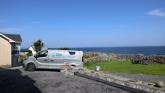
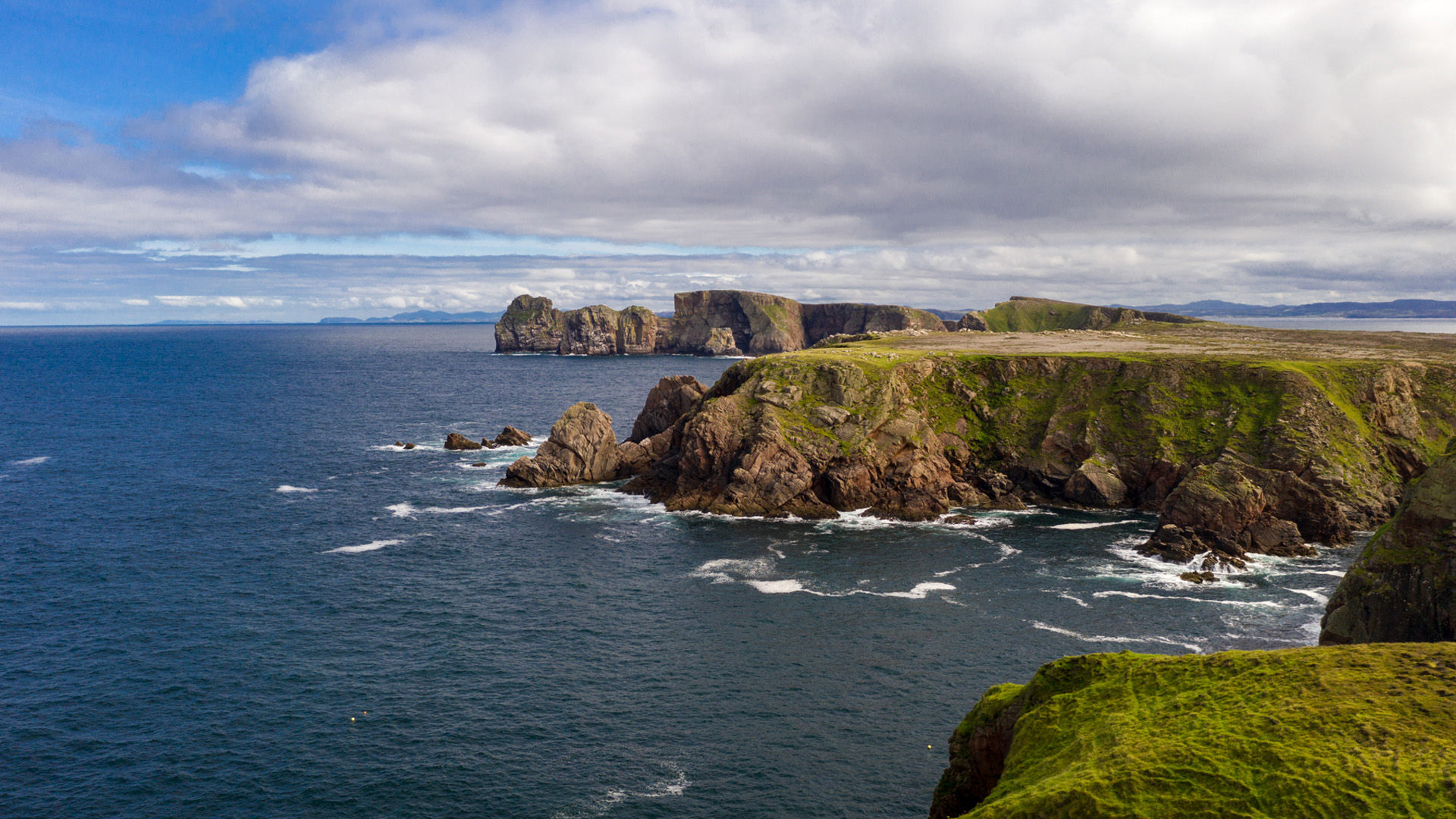 Tory Island, exposed, elemental, and finite, cliffs and sea, beauty formed over millennia, not decades
Whilst Donegal is rich in natural resources, it does not enjoy the benefit of an inexhaustible supply. A typical rural Irish home occupies roughly an acre of land, meaning that the projected population increase for County Donegal alone could take up around an additional 16,000 acres of land.
The significance of a sighting from space more than fifty years ago
Capitalism and modern living are largely driven by growth, but back in 1972, five scholars at the Massachusetts Institute of Technology published a book titled Limits to Growth. In that publication, they explained that the demands of modern capitalism and post-industrial revolution development, if left unchecked, would eventually exceed the carrying capacity of a finite planet.
Regrettably, the growth went unchecked. The fragile nature of our planet was brought sharply into focus when astronauts, after orbiting the moon, observed a tiny blue and white shiny marble suspended in the darkness of space. Only later did they realise that this small, fragile sphere was our home, planet Earth. That moment became known as Earthrise.
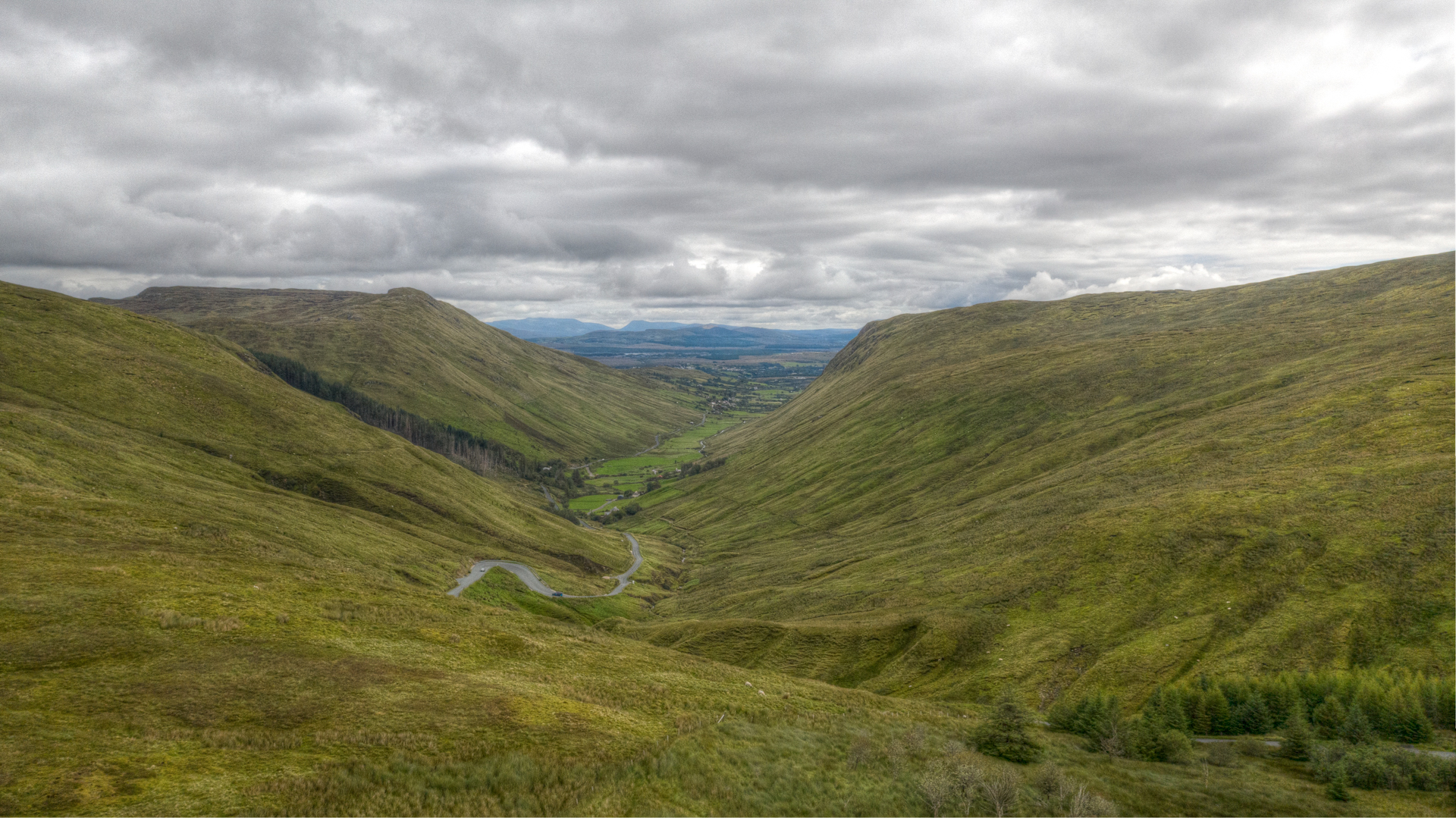 Glengesh Pass, a landscape shaped slowly, not consumed quickly
In 2015, the United Nations published the Sustainable Development Goals. Running in parallel, Pope Francis published Laudato Si’, detailing the moral obligation to look after our common home. Both publications were intended to encourage a more sustainable way of behaving. More recently, our former President Mary Robinson, “Mná na hÉireann”, published her book The Climate Crisis and the Power of Hope, in which she too warns of the dangers of continuing with current practices and stresses the moral responsibility to act before irreversible damage is done.
A recent United Nations assessment revealed that the world is well off course in meeting the Sustainable Development Goals. It was also recently reported in
The Journal that Ireland could face a potential cost exposure of up to €27 billion by again failing to meet our CO₂ emissions targets. Recent Environmental Protection Agency figures reveal that approximately 50% of Ireland’s freshwater bodies fall below EU Water Framework Directive standards. A significant proportion of rural septic tanks have been classified as dysfunctional, and when coupled with agricultural runoff, these remain the main contributors to freshwater pollution.
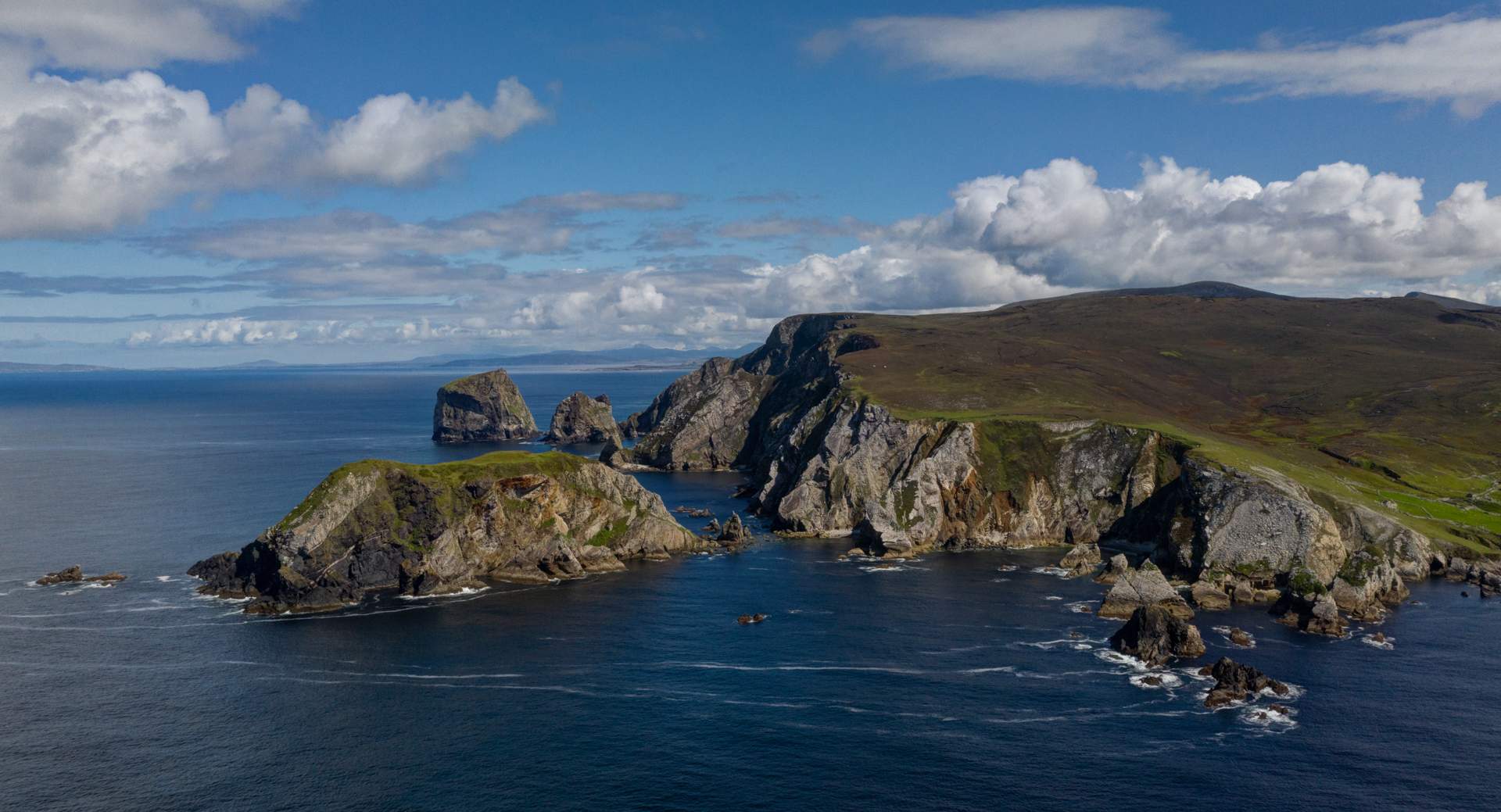 Port, Glean Cholm Cille, The Donegal coast, resilient yet never inexhaustible
Recently, I researched and published an article on one of our most precious natural resources, topsoil. According to some United Nations commentators, the world may have only around sixty harvests remaining, as topsoil is being lost far faster than it is replenished, with natural soil formation taking thousands of years to produce. Whilst it is accepted that some scientists dispute this prediction, the warning should not be ignored.
Last week, large parts of the southeast coast of Ireland were submerged under several feet of floodwater. Since the 1970s, global wildlife populations have declined by approximately 70%. During Australia’s 2019 bushfires, an estimated three billion wild animals perished, and the koala was pushed close to extinction. Like Dublin’s gridlocks, large Donegal towns have become impassable.
Our fishermen are under renewed pressure from EU quota restrictions and that is again because we also don’t enjoy inexhaustible supplies of fish. Our most beautiful and prestigious sea bird, The Puffin is also threatened, again due to a shortage of fish supplies.
The evidence is mounting across land, water, climate, and wildlife
A way forward is still possible. Sustainable development means meeting the needs of the present without compromising the needs of future generations. However, many environmental scientists, including Professor Jeffrey Sachs of Columbia University and Noam Chomsky and many others, including activist Greta Thunberg, argue that we are behaving as if we have another planet to move to.
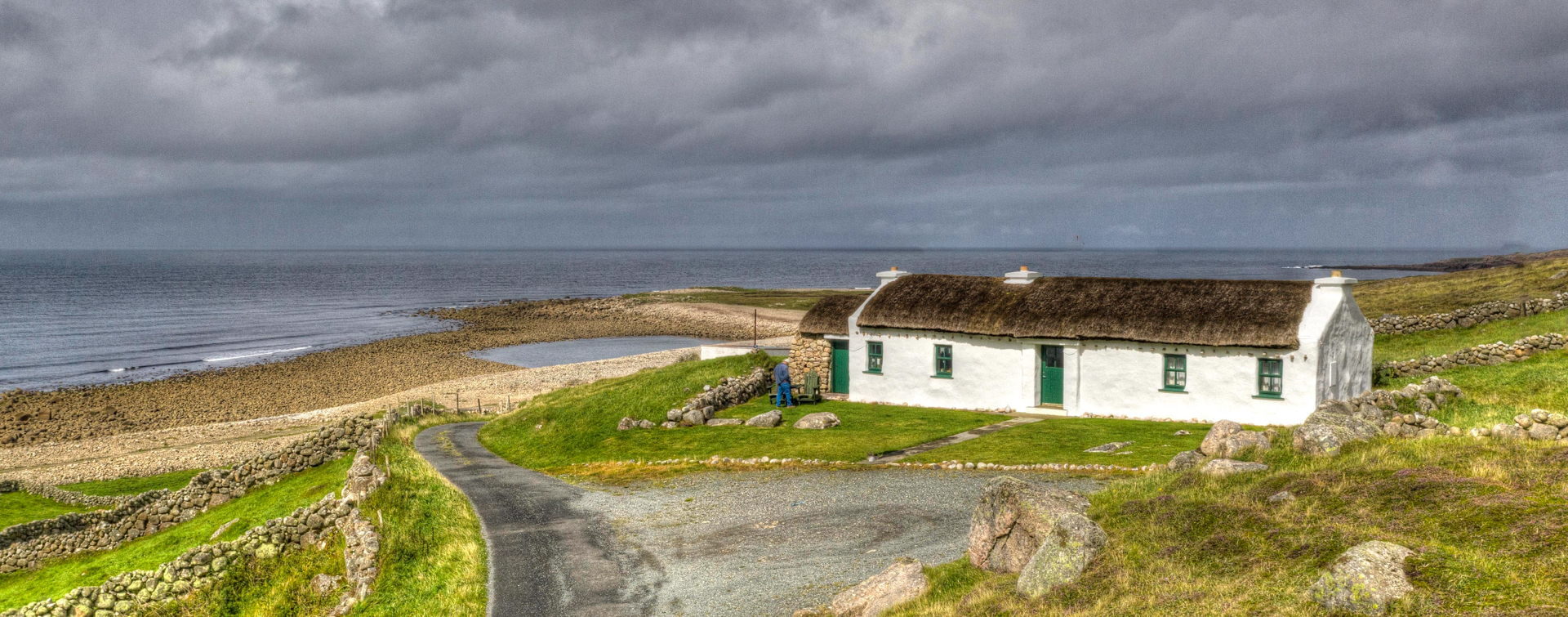 Teach Sally Jack, Gaoth Dobhair, Traditional homes built to endure, not to sprawl
Despite the damage already caused, it is still possible, and necessary, to change course.
Most people in rural Ireland understandably prefer single houses on their own land, but this pattern of development is no longer sustainable at scale. A gradual move towards more compact urban living will be required if the environment is to be saved.
According to Mark Twain, land is precious because it is not making any more of it, and we must adapt to that reality.
Private one-off septic tanks have repeatedly proven problematic, particularly in areas with poor soils. A greater reliance on properly designed combined wastewater treatment systems will be necessary, even though this will require major infrastructural investment and cultural adjustment in dispersed rural areas.
Circular economy principles must also be embraced. For decades the model was buy, use, and dispose. A sustainable future requires continuous reuse. Buildings and products should be designed with the expectation that their raw materials will be reused long after demolition, even if that occurs centuries later.
Whilst progress has been made in farming, modern mechanised and chemically intensive practices continue to harm soils, rivers, and lakes. It is worth reflecting on traditional organic farming practices once common in Donegal and comparing them honestly with current methods. We won’t go back to age-old manual practices of natural straw manure and seaweed fertilisation, but we must examine and understand the benefits, even health, that such practices offer.
A finite planet demands a change in thinking
Ultimately, we must accept the finite nature of our planet. We are living on a small, fragile world with limited resources. The patterns of development that emerged from the industrial revolution through the Celtic Tiger era cannot continue indefinitely. A new way of thinking and behaving is required, and that change must begin at the individual level. Some people believe they are too insignificant to make a difference, but as John F. Kennedy once urged, we should ask what we can do.
If each person contributes what they can towards sustainability, those collective actions bring us closer to a viable future, where progress is measured not by endless growth but by the care we show for the land, water, air, wildlife and communities that sustain us.
Eamonn Coyle is from Gaoth Dobhair and is a Chartered Engineer and Chartered Environmentalist