'Pure nostalgia' - Throwback pictures from the last time Ireland reached World Cup in 2002
Search


26 Mar 2026

Please allow ads as they help fund our trusted local news content.
Kindly add us to your ad blocker whitelist.
If you want further access to Ireland's best local journalism, consider contributing and/or subscribing to our free daily Newsletter .
Support our mission and join our community now.
To continue reading this article, you can subscribe for as little as €0.50 per week which will also give you access to all of our premium content and archived articles!
Alternatively, you can pay €0.50 per article, capped at €1 per day.
Thank you for supporting Ireland's best local journalism!


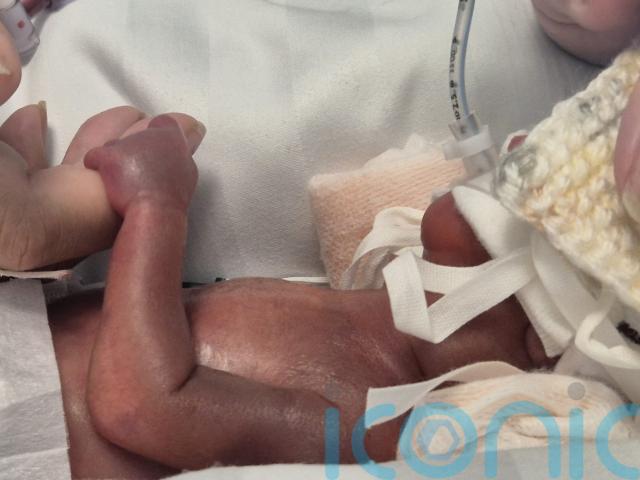
A couple whose baby was born prematurely at 23 weeks, weighing just 800g, and who were repeatedly told he might not survive in the weeks afterwards have just celebrated his first birthday.
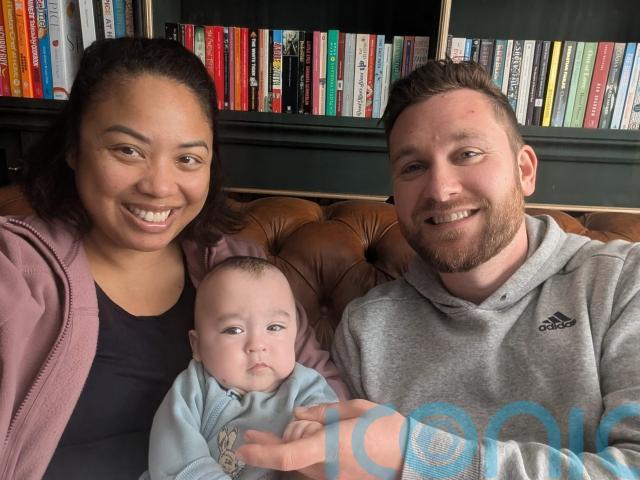
Anita Ibrahim-Goddard and Paul Goddard’s son Adam has continued to defy the odds after he was born on December 1 2024, weighing 800g.
He had a grade two brain bleed, chronic lung disease and a hole in his heart and, as a result of being born in the breech position, he suffered a damaged and dislocated arm.
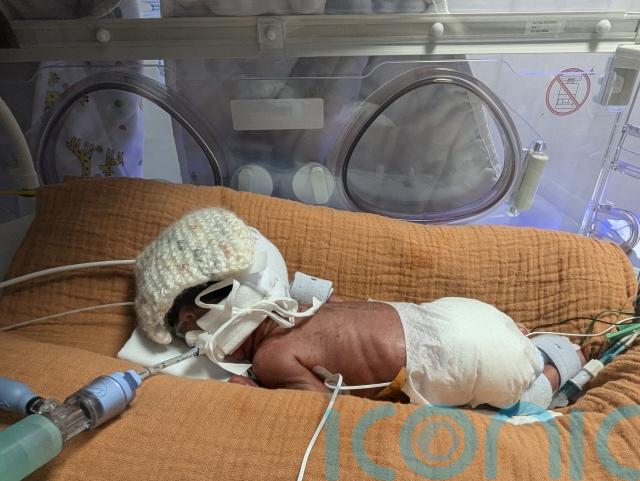
He spent 114 days in hospital, needed 19 blood transfusions, aggressive ventilation, morphine and sedatives, endless blood draws, invasive eye tests and more, and Anita, 45, who works in tech inclusion, said “we nearly lost him a few times”.
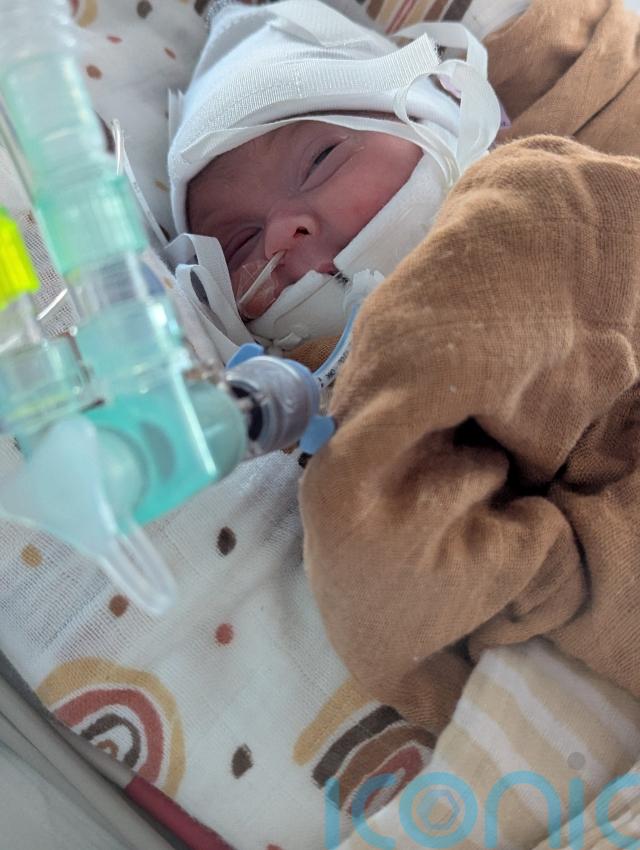
Given the couple, from London, had spent the previous eight years trying to conceive, trying various IVF methods and suffering miscarriages, falling pregnant with Adam felt “miraculous” – so when doctors continued to say that Adam might not survive, it was “heart-wrenching”.
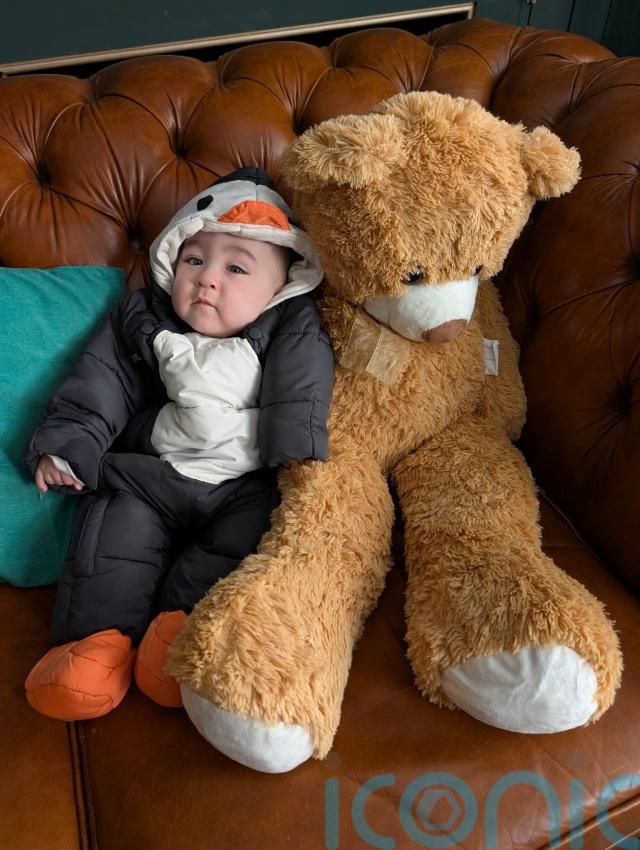
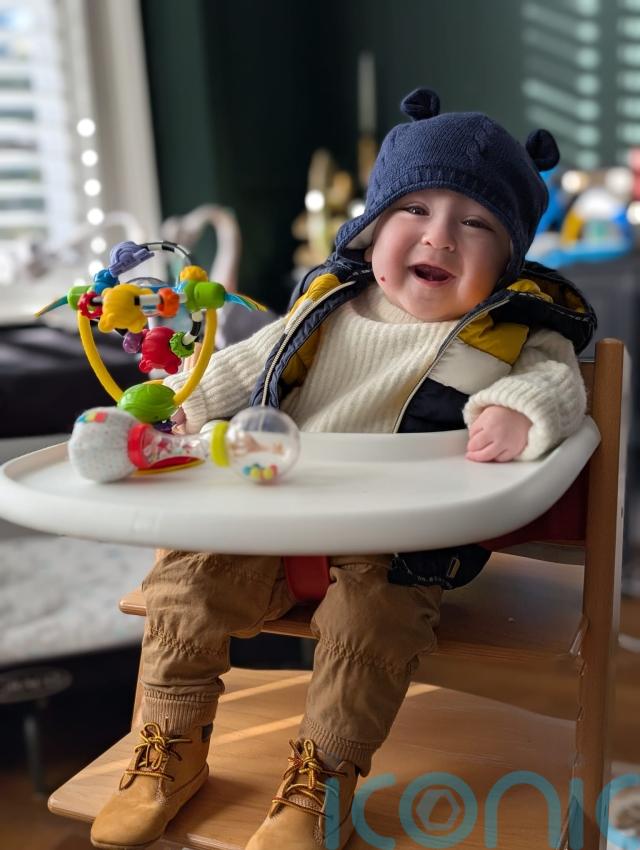
However, after receiving treatment in three separate hospitals, Adam started to make improvements and was discharged on his original due date – March 23 – and now he is “smiling and loving life” and recently celebrated his first birthday.
Although Adam has limited movement in his left arm because of nerve damage and will experience developmental delays as a result of his premature birth, Anita and her husband Paul, 36, a tech consultant, are now focused on enjoying every moment with their son.
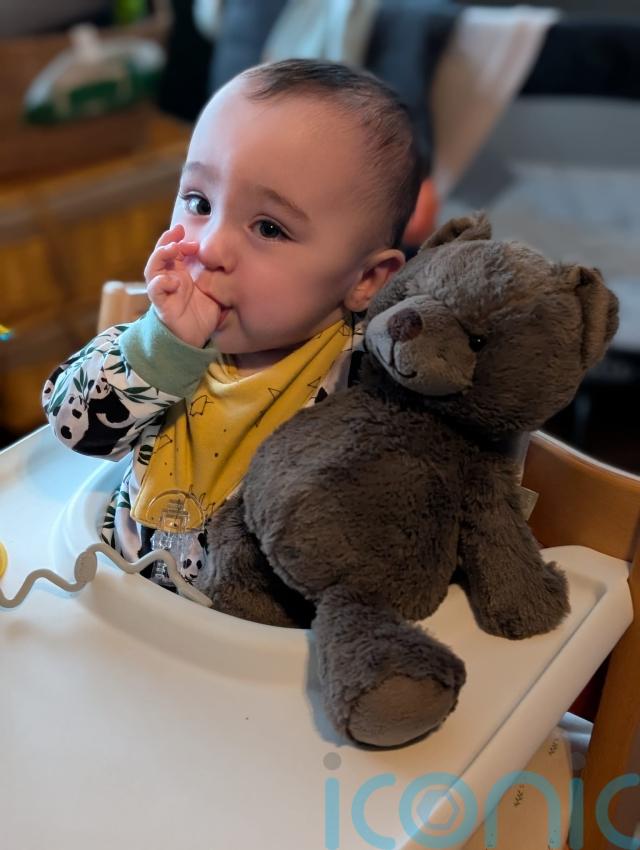
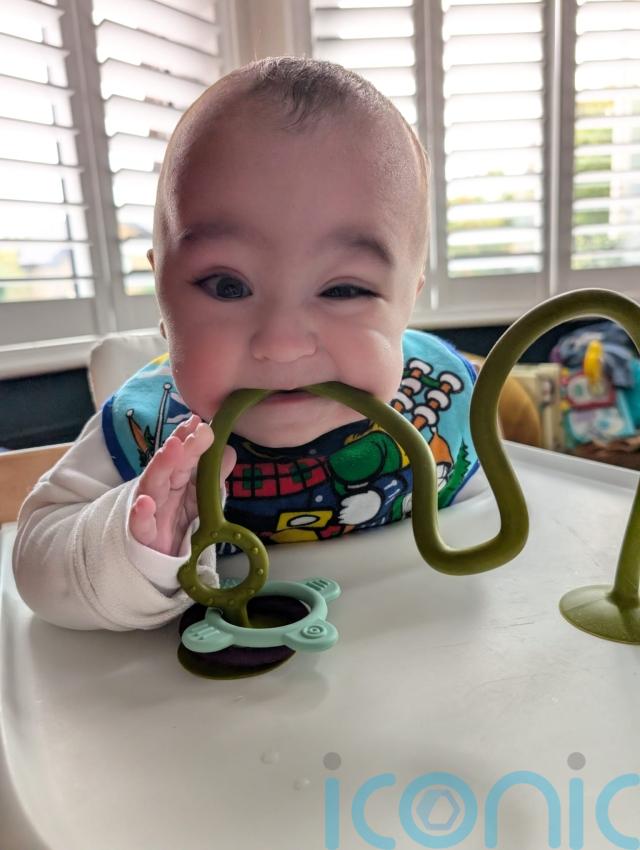
Anita told PA Real Life: “When you look at how he is as a baby today, I absolutely attribute it to how heroic he was when he was in hospital.
“He’s been through the wars already, now he just wants to enjoy life.
“It’s almost like he was fighting to be here, he absolutely wanted to be here.”
Anita had been trying to fall pregnant for eight years, but without success.
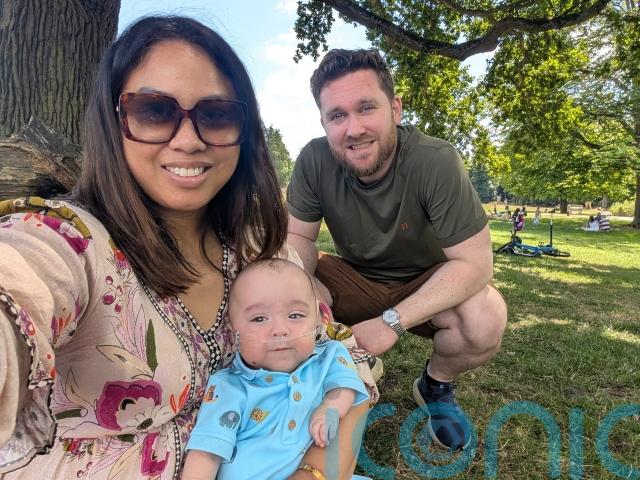
This included the couple trying to conceive naturally, along with multiple rounds of IVF, some of which resulted in miscarriage.
The couple then began an adoption process, but because of the Covid-19 pandemic and a “backlog”, this led to delays – and they therefore started to “rethink IVF again”, which led them to try with donor eggs.
This process is similar to an IVF cycle, except that donor eggs are mixed with the male partner’s sperm to create embryos for transfer into the female partner.
“We did that in Spain, and I fell pregnant the first time,” Anita said.
“It was something that we’d ummed and ahhed about because it’s something that you do have to consolidate – is that the right route? Is that the right journey for us? But I do not regret it for a second.
“Before, when we did our first round of IVF and we fell pregnant the first time, but it ended up in a miscarriage, we were ever so close and we realised that we wanted it more than anything.”
Apart from a heightened sense of smell, Anita said her pregnancy was “totally fine” and she even started a new “dream job”.
At the end of November last year, the couple were about to head to the Cotswolds for a relaxing “babymoon” when Anita started experiencing stomach pains, which she initially attributed to “trapped wind”.
“I could just feel my tummy doing weird stuff, but I’m only 23 weeks pregnant, so never did it occur to me that these were contractions,” she explained.
As the pains continued, Anita said they reminded her of what she experienced during a previous miscarriage, but she told herself to stop “catastrophising”.
Still, she decided to call the hospital, and she was called in for a check-up, and this is when she was told: “You’re in labour, you’re dilated. You are having this baby.”
Anita continued: “I was like, what? I still didn’t believe them.
“I think the part of me that didn’t want to speak it into existence was that I’d had miscarriages before, so I thought… we’re going to lose the baby.”
Anita said she was given steroids and intravenous magnesium sulphate, which is offered to women in established pre-term labour, and she said this felt like “lava” running through her veins.
She was then blue-lighted to Royal London Hospital in Whitechapel, and she was induced and gave birth to Adam in the early hours of December 1 2024.
“They took him straightaway and they were working on him for what felt like ages,” Anita said.
“I could hear them conferring with each other, and I guess this was the do or die moment. Is my baby going to be able to be intubated? Will they be able to get him to breathe?
“Doctors told us he had only around a 40% chance of survival.”
Anita said the next few days were a blur, but she vividly remembers seeing the neonatal intensive care unit (NICU) and hearing the constant “beeps” of machines.
She said she was immediately “thrust into this cycle of producing milk”, which her body was not ready for, and she did not want to leave her baby’s side.
“He had everything that premature babies would have – the bleed on the brain, hole in his heart, bad eyes, bad lungs, he had everything – and one by one, they were treating those things,” she said.
“During that December period, we nearly lost him a few times… and Christmas Day is where it all culminated, as we were called in to say goodbye.
“But Christmas Day wasn’t just the day we almost lost Adam – it was the day he decided to stay.”
Thankfully, Adam “pulled through” a few hours later and the couple were able to stay in Stevenson House, a “home from home” run by The Sick Children’s Trust, next to the hospital.
Anita said this became their “sanctuary” for seven weeks, and the kindness she and Paul were shown by the charity was “incredible” and “humbling”.
“Stevenson House (allowed us to) be there to hold our son’s hand through every step of his fight,” she said.
“We will always be eternally grateful.”
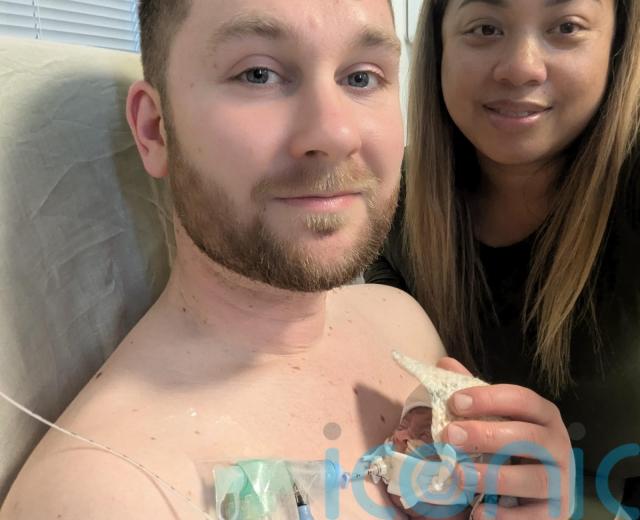
Although there was fear and heartache, Anita said there were milestones that she will never forget, including holding Adam for the first time at 14 days old and “hearing his tiny cry at 19 days”.
Although doctors continued to say “he is probably not going to make it”, the couple remained hopeful – and as he improved, he was transferred to Queen Charlotte’s and Chelsea Hospital, followed by Watford General Hospital.
Incredibly, after 114 days in hospital, Anita said Adam was discharged on his original due date on March 23.
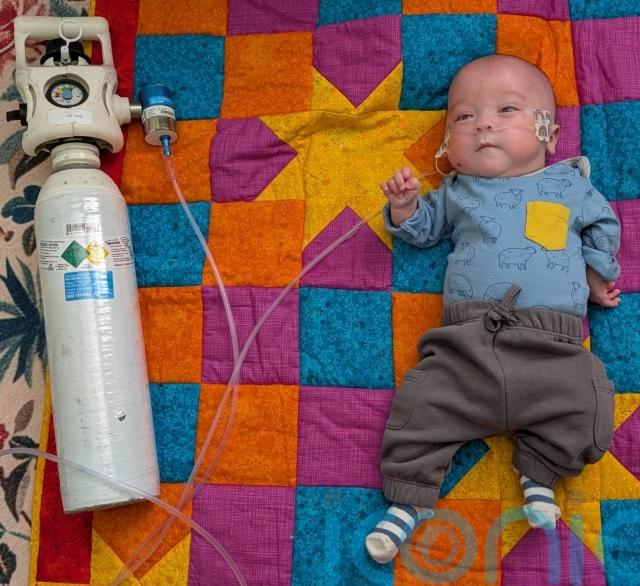
Anita said: “He came home on oxygen, which we carried everywhere with us, and we were told he would probably need it until he was around three years old – but in true Adam fashion, he surprised everyone.
“At just nine months old – only five months since his due date – we celebrated him coming off oxygen altogether.”
Although Adam’s left arm has limited movement and he has nerve damage and developmental delay, Anita said he is doing “so well”.
He is receiving physio sessions and support from the home-visiting service Portage, and the couple held a birthday party to celebrate him turning one last Monday.
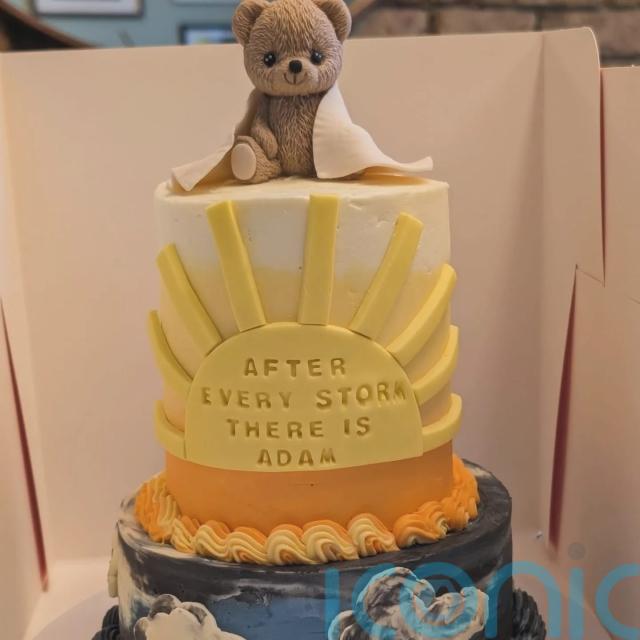
Anita said she is determined for their son not to be held back by events that “he didn’t choose”, and with her new outlook on life, she is ready for this next chapter.
“He’s risen to every occasion, and he’s just surprised us at each turn,” Anita said.
“He’s the happiest little kid… and we’re just going to try and make every day a celebration, as I do feel like every day has been a gift.”
For more information and support, visit The Sick Children’s Trust’s website at www.sickchildrenstrust.org.

Subscribe or register today to discover more from DonegalLive.ie
Buy the e-paper of the Donegal Democrat, Donegal People's Press, Donegal Post and Inish Times here for instant access to Donegal's premier news titles.
Keep up with the latest news from Donegal with our daily newsletter featuring the most important stories of the day delivered to your inbox every evening at 5pm.

This publication supports the work of the Press Council of Ireland and Office of the Press Ombudsman, and our staff operate within the Code of Practice of the Press Council. You can obtain a copy of the Code, or contact the Council, at www.presscouncil.ie, Lo-call 1800 208 080 or email: info@presscouncil.ie.