Search


21 Apr 2026
Search
21 Apr 2026

Please allow ads as they help fund our trusted local news content.
Kindly add us to your ad blocker whitelist.
If you want further access to Ireland's best local journalism, consider contributing and/or subscribing to our free daily Newsletter .
Support our mission and join our community now.
To continue reading this article, you can subscribe for as little as €0.50 per week which will also give you access to all of our premium content and archived articles!
Alternatively, you can pay €0.50 per article, capped at €1 per day.
Thank you for supporting Ireland's best local journalism!


A woman whose son was stillborn has said her severe symptoms were dismissed as “nothing to worry about” by NHS hospital staff but she “still feels like a mother despite it all”.
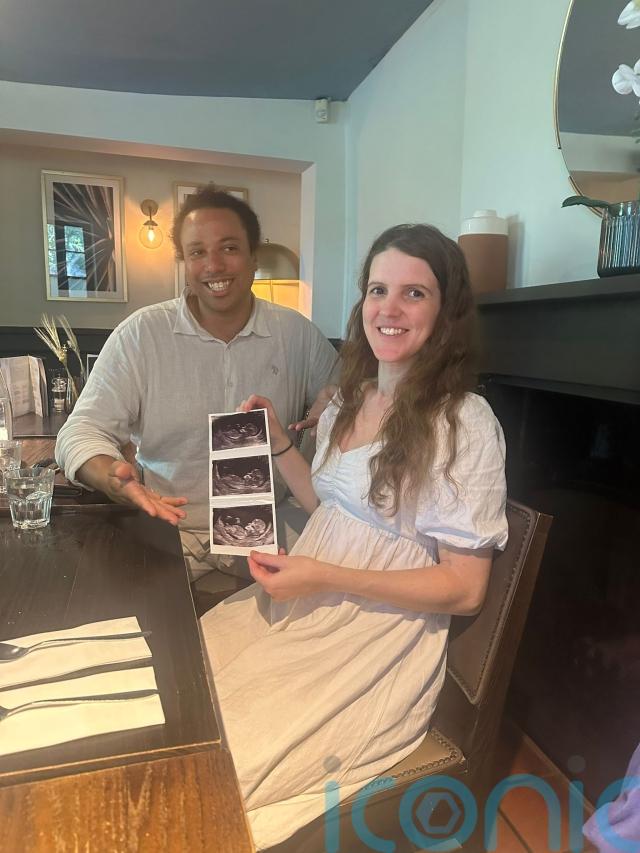
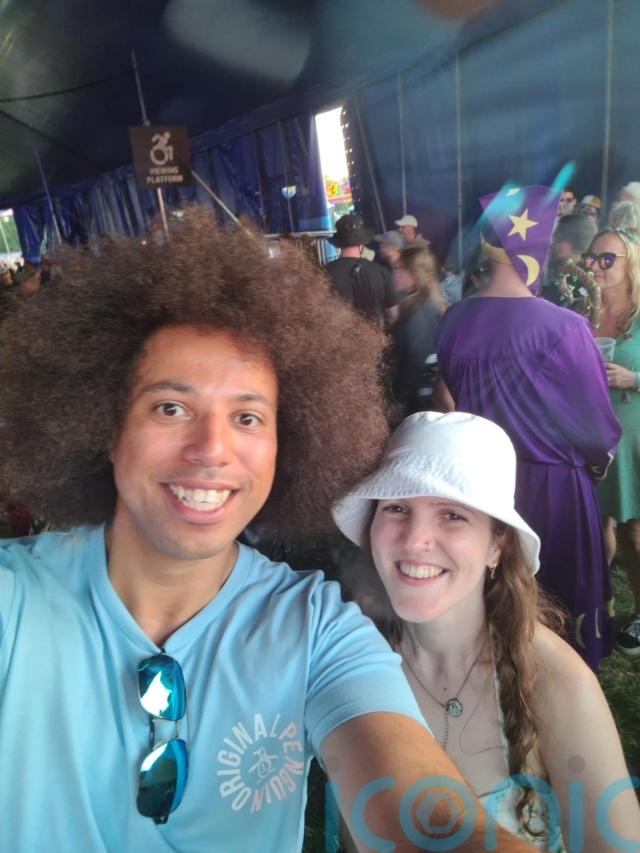
Natasha Anderson, 34, and her partner Nicholas Harewood, 38, who live in Didcot, South Oxfordshire, discovered they were expecting in June 2025, preparing for their baby boy’s arrival by decorating the nursery and reading to the bump each night.
From her first trimester, Natasha said she reported symptoms of persistent vomiting, recurrent urinary tract infections (UTIs) and flashes of light to medical staff at John Radcliffe Hospital in Oxford, but she was reassured it was “nothing to worry about”.
In December 2025, she said tests revealed she had high blood pressure, protein in her urine and raised creatinine, which is a waste from protein and muscle breakdown, and she was diagnosed with pre-eclampsia on December 17.
Just two days later, their baby boy, Arlo Huxley Harewood, died in the womb and Natasha, a credit controller, was induced to deliver him at 32 weeks on December 20, leaving her and Nicholas “heartbroken”.
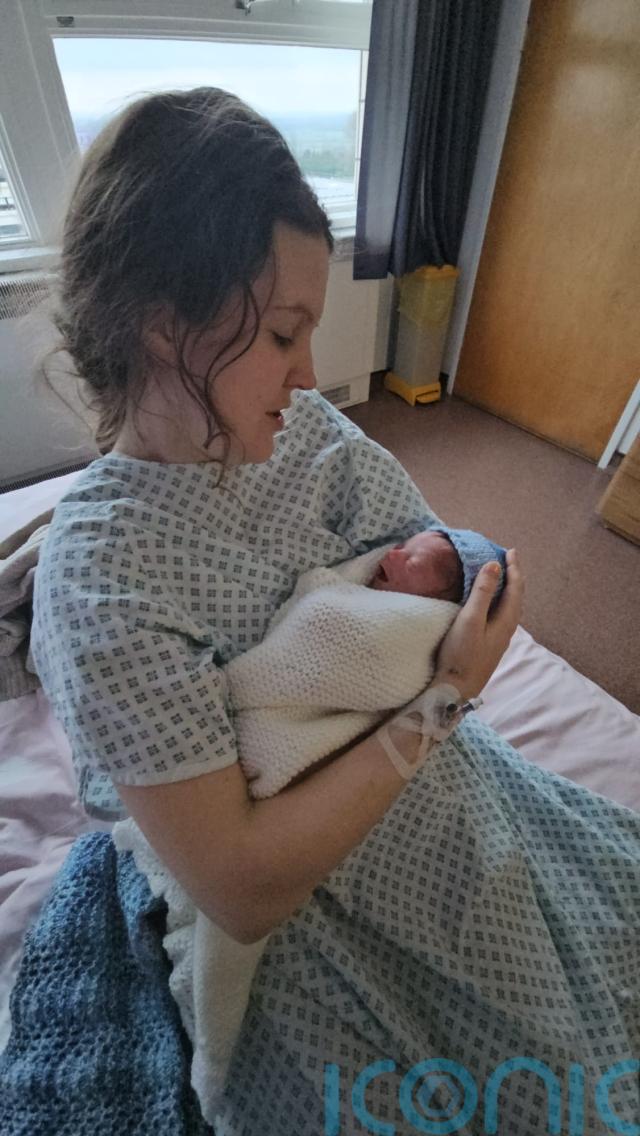
They believe if Natasha’s symptoms were investigated earlier, her pre-eclampsia, a high blood pressure disorder, may have been diagnosed sooner, which could have allowed for earlier intervention.
Nicholas, a demand and supply executive, told PA Real Life: “When Arlo was born, the midwives didn’t catch him, which was a real sore point for me, because if he was alive, they would have caught him.
“That haunts me.”
Natasha discovered she was pregnant in June 2025 while Nicholas was away for the weekend and surprised him with the news by hiding the pregnancy test in a rose bush.
Their baby was due in February 2026 and Natasha was “full of joy, love and excitement” and Nicholas was “absolutely over the moon”.
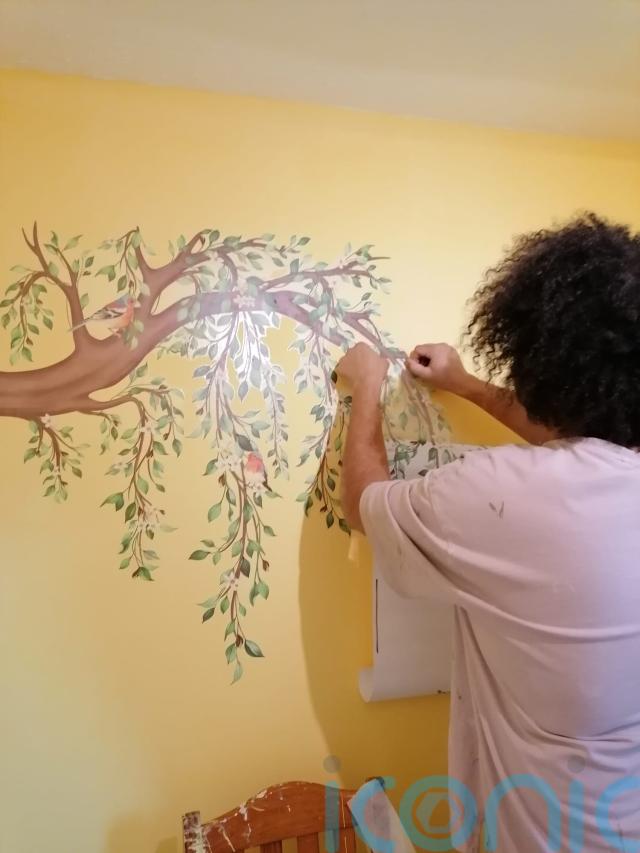
Nicholas turned the spare room into a nursery by painting it yellow and building a cot, and he spent months searching for “just the right” dresser.
Almost every night, Nicholas would read The Faraway Tree to their baby while Natasha sang, and Arlo would kick at the sound of their voices.
However, from the first trimester onwards, Natasha said she suffered with severe sickness – vomiting multiple times a day – as well as experiencing bloating, headaches and regular UTIs.
In October 2025, Natasha also began seeing flashing lights and “all the colours of the rainbow” in a stream of light, but she said she was reassured by medical staff at the John Radcliffe Hospital it was “nothing to worry about”.
She said she was treated for severe dehydration and hyperemesis gravidarum – severe sickness – with IV fluids and claims she was not given the correct medication to treat this until her second trimester.
Natasha added that no-one investigated the possibility of it being “anything more serious” at this point, despite her symptoms.
On October 12, Natasha said she called 111, with the NHS confirming she noted symptoms of a headache, bloating and vomiting, but after a series of questions relating to pre-eclampsia, they said this diagnosis was ruled out.
At her 20-week scan that same month, she said doctors moved her to a potential high-risk care pathway thanks to her having a “narrow uterine wall”, meaning increased antenatal surveillance.
In mid-December, tests revealed she had high blood pressure, raised creatinine levels in her blood, and protein in her urine – signs of kidney stress and a high-risk pregnancy – and she was admitted to hospital on December 17 and diagnosed with pre-eclampsia.
According to the NHS, symptoms can include headaches, vision problems, vomiting, high blood pressure and protein in urine.
The NHS adds that the only way to cure pre-eclampsia is to deliver the baby, so patients are usually monitored regularly until it is possible for the baby to be delivered.
According to the National Institutes of Health, UTIs during pregnancy can raise the risk of pre-eclampsia, but Natasha said no-one had told her this when they treated her UTIs.
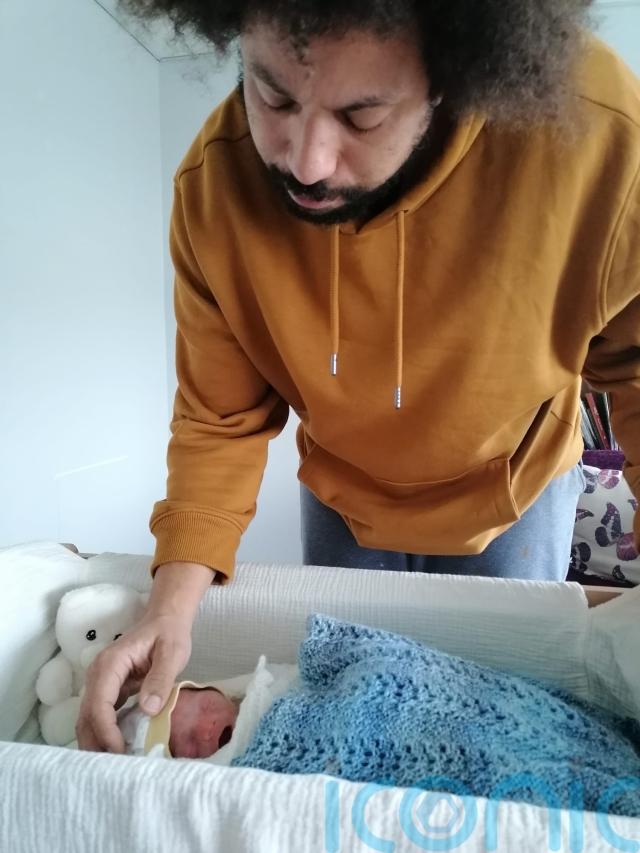
Natasha said midwives at John Radcliffe Hospital then monitored her baby’s heart rate using a cardiotocography (CTG) machine and reassured her that everything appeared normal.
On December 18, she recalled vomiting, with healthcare staff reassuring her there was, again, “nothing to worry about”, but the following day, Natasha said an ultrasound revealed that the baby’s stomach had not increased in size since their previous scan.
They were referred to the hospital’s Fetal Medicine Unit for further tests, but she said they were “refused” an appointment before the following week.
Natasha added: “The doctor looked pretty worried, we thought we could just walk in and have an immediate scan but it had to be booked in.”
Natasha said she was then asked whether she would like to have steroid injections, as she was told she would need to deliver early and that this would help the baby’s lungs develop.
However, she said she wanted to talk to her mother, Debbie Ryan, 64, a semi-retired nurse, who was due to visit on December 20, before going ahead.
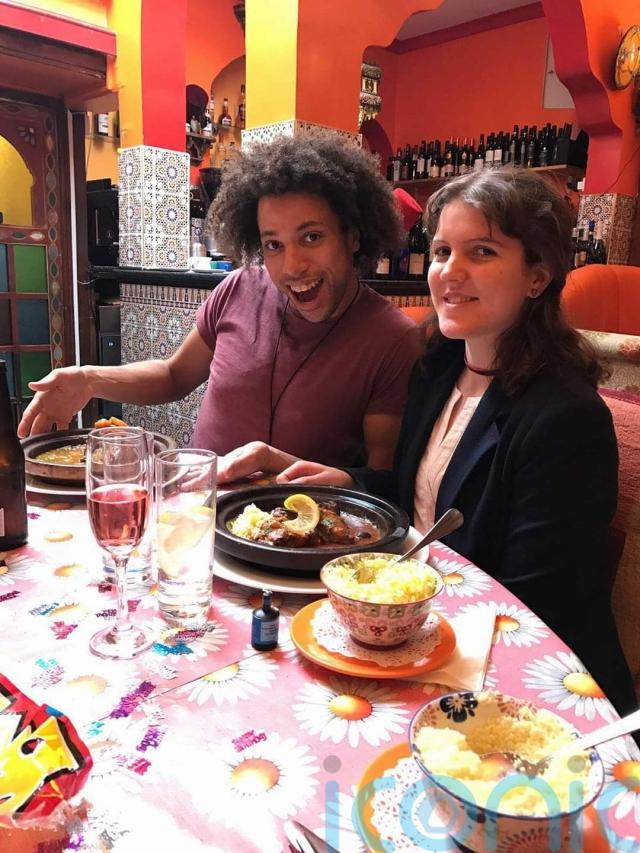
She said her medical team, that day, said her baby “was fine” and they “were not worried”.
Nicholas left the hospital that evening, but later that night, Natasha began feeling constipated and “felt like something was not right”, so she pressed the emergency buzzer.
She wandered around the ward but said “no-one was around” – eventually, a student midwife came in but was unable to detect her baby’s heartbeat.
Natasha said a midwife, followed by a consultant, came in to check this, and she was finally informed that her son had died at around midnight on December 19 2025.
Natasha said her medical team also clarified the steroid injections would not have saved him, and she was then walked to the delivery suite.
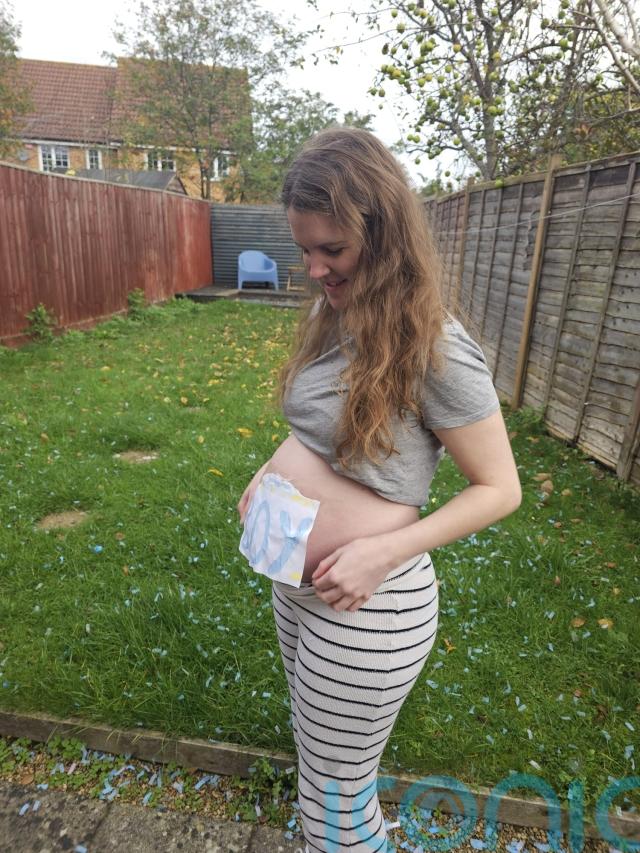
Nicholas woke at 3am to a neighbour knocking on the front door, he had slept through the hospital’s calls.
Nicholas said: “I’m worried because we didn’t have the steroid injections and I’m thinking that I’m on the way to deliver my child.
“I turn up at the hospital, and the midwife brings me through without a word, and brings me to Natasha.
“She just said the simple words – he’s passed.”
They said the medical team confirmed that their son, whom they named Arlo Huxley Harewood, passed as a result of complications from pre-eclampsia.
Specifically, she said he died because of placental abruption, where the placenta detaches from the wall of the womb.
Natasha also developed hemolysis, elevated liver enzymes and low platelet count (Hellp) syndrome – a rare liver and blood-clotting disorder that can affect pregnant women.
Natasha added: “They never mentioned Hellp syndrome to us before this – we now know it’s the worst-case scenario for someone with pre-eclampsia.”
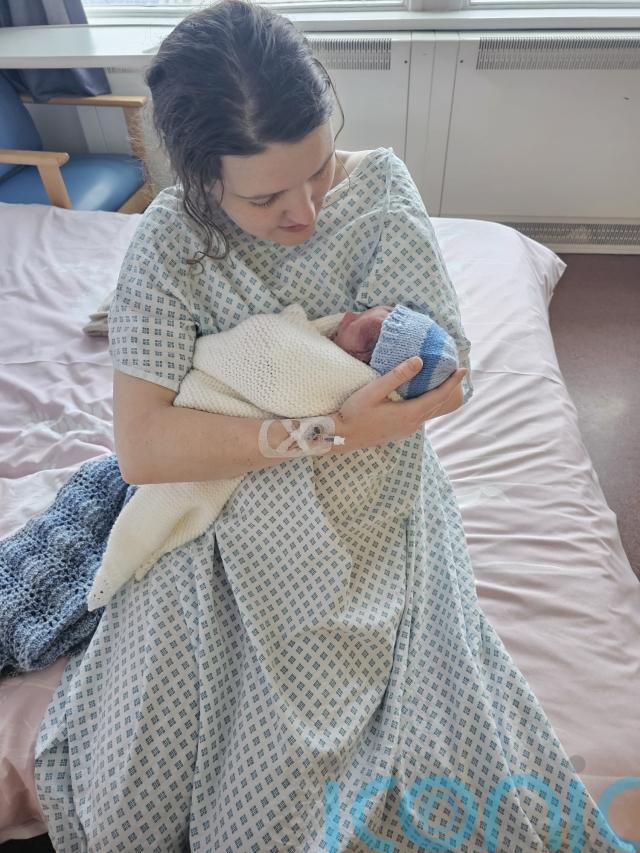
After he died, Natasha carried Arlo for a further 20 to 22 hours before induction and delivery, and he was stillborn at 9.18pm on December 20.
At around 6pm beforehand, Nicholas put on their birthing playlist, filled with songs by the group East Forest, and tried to help Natasha relax as much as possible.
He said: “Natasha, the most elegant person I’ve ever seen, was on her hands and knees, breathing, pushing, me behind her.
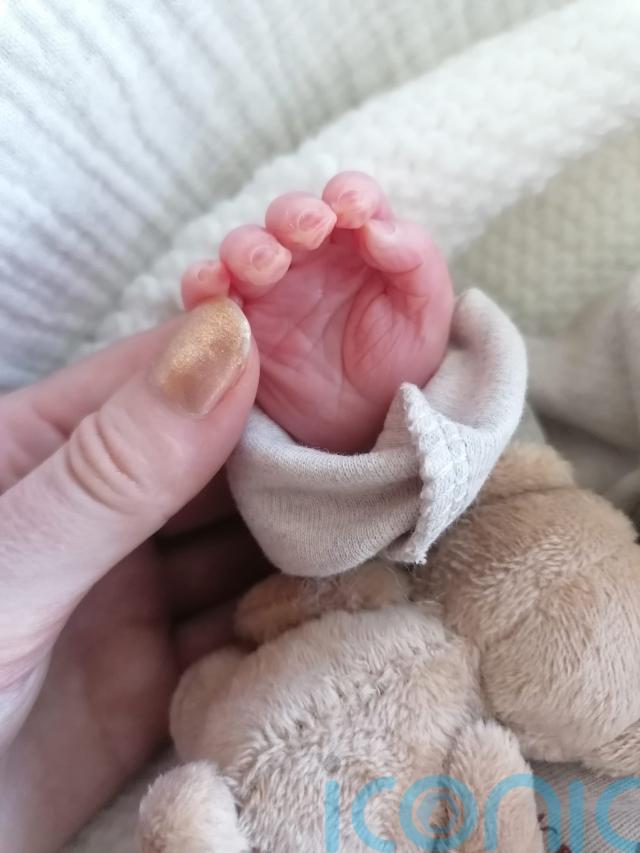
“I was crying my eyes out, trying to massage her into some amount of relaxation or reduce the pain, but practically falling asleep on my feet.”
Natasha said she had to be given platelets, have a catheter fitted and felt like she was going to “pass out” after the birth.
She said: “I felt this was dismissed by people in the room so I scoffed chocolates to hope it would bring my blood sugar up.”
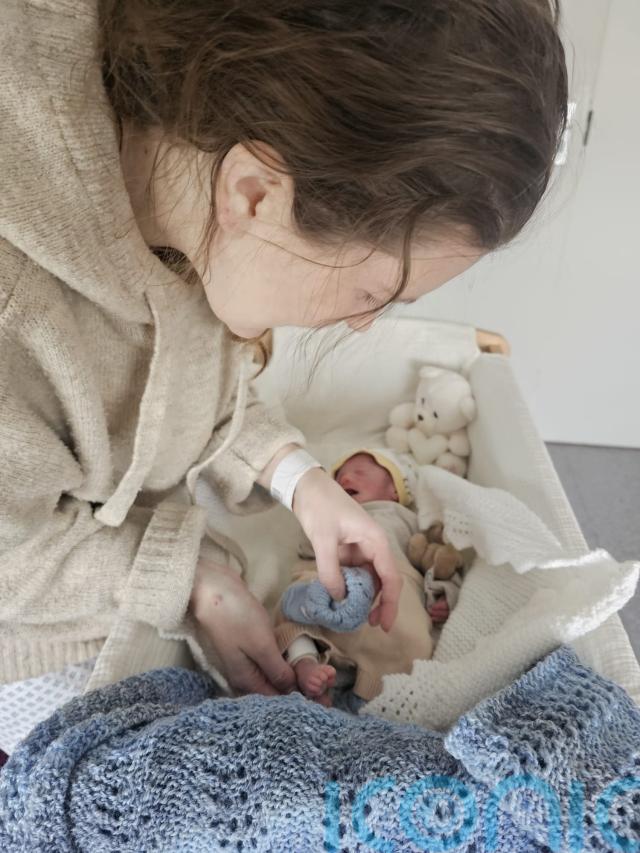
Natasha was grateful that, while on the bereavement ward, she was able to visit her son as much as she wished.
“I still felt like a mother despite it all,” she added.
Nicholas said: “We held him and touched his hands and feet and we were his parents for a short while. It was just heartbreaking.”
Nicholas and Natasha returned home on December 23.
“I found it really hard to be alone, I wanted Nicholas with me at all times… we got some food in for Christmas, but it was all just heartbreaking,” Natasha said.
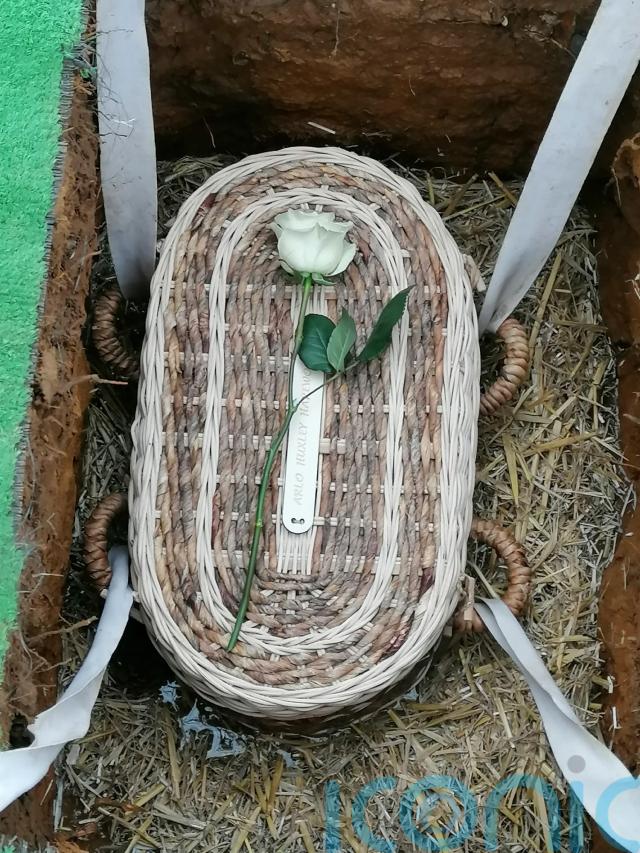
They held Arlo’s funeral on January 29 2026 and Nicholas said he began to feel “some sense of peace” afterwards.
However, as he wrote in a poem which he read during the funeral service: “This is a nightmare you wake up to, one which becomes more distinct and overwhelming within the sunlit day and then peaks at night before you fall asleep.
“My existence is split into two parts – before Arlo, and after Arlo… Every day I weep.”
Natasha said: “On the day I found out that I was pregnant, I saw a field full of scared horses. The natural burial ground, where we laid our boy to rest, has an equestrian centre beside it, and on the other side of the land, the owner sells Christmas trees, so it felt deeply symbolic.”
Nicholas added: “In every day of our lives there is a great sense of loss – we’re not just grieving Arlo, we’re grieving the future friendships that we had with the people at the antenatal class.
“We’re grieving for our parents and my dad’s not getting any younger.
“I really wanted to show him something and who knows if he will be around for the next one.”
Looking ahead, Nicholas and Natasha said they would “like to have another baby one day”, but they are concerned about the potential health risks associated with another pregnancy and said it is not as simple as “trying again”.
The couple are currently raising money for the charity Action on Pre-eclampsia and have set up a fundraiser.
A spokesperson for South Central Ambulance Service NHS Foundation Trust (SCAS) said: “Having reviewed the 111 call made by Natasha to our service on October 12 2025, from the information on her symptoms she supplied, potential pre-eclampsia was ruled out at that time, and she was advised that the out-of-hours GP service would contact her within six hours.
“There was no further subsequent contact with our NHS 111 service.
“We recently learned of Arlo’s loss on December 19, with the cause of death given as pre-eclampsia, and would like to extend our sincere condolences to Natasha and Nicholas.”
A spokesperson for Oxford University Hospitals NHS Foundation Trust said: “The loss of baby Arlo is truly heartbreaking, and our thoughts are with the family at this very sad time.
“We are in touch with Nicholas and Natasha and in the process of conducting a full and detailed review, which will conclude soon.
“We are unable to comment further at this time for this reason, but we will be responding to the family openly and transparently with our findings.”
To donate to their GoFundMe visit: www.gofundme.com/f/arlo-huxley-harewood.

Subscribe or register today to discover more from DonegalLive.ie
Buy the e-paper of the Donegal Democrat, Donegal People's Press, Donegal Post and Inish Times here for instant access to Donegal's premier news titles.
Keep up with the latest news from Donegal with our daily newsletter featuring the most important stories of the day delivered to your inbox every evening at 5pm.

This publication supports the work of the Press Council of Ireland and Office of the Press Ombudsman, and our staff operate within the Code of Practice of the Press Council. You can obtain a copy of the Code, or contact the Council, at www.presscouncil.ie, Lo-call 1800 208 080 or email: info@presscouncil.ie.