Search


04 Mar 2026
Search
04 Mar 2026

Please allow ads as they help fund our trusted local news content.
Kindly add us to your ad blocker whitelist.
If you want further access to Ireland's best local journalism, consider contributing and/or subscribing to our free daily Newsletter .
Support our mission and join our community now.
To continue reading this article, you can subscribe for as little as €0.50 per week which will also give you access to all of our premium content and archived articles!
Alternatively, you can pay €0.50 per article, capped at €1 per day.
Thank you for supporting Ireland's best local journalism!


A couple who have fostered 16 children in seven years have spoken of “how rewarding it is” to care for children who teach them resilience, joy, and positivity, even in the most challenging circumstances.
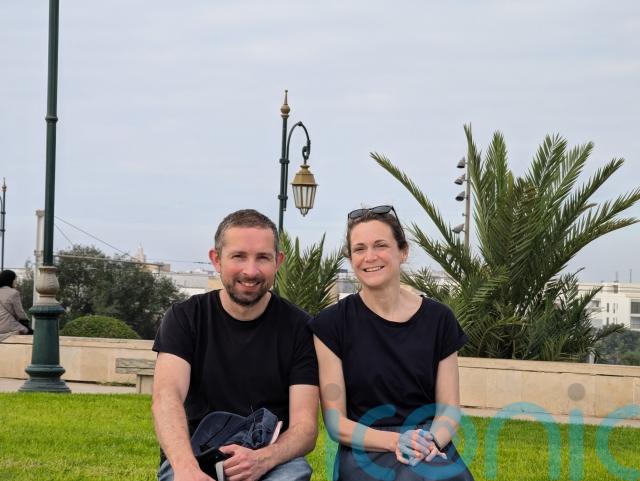
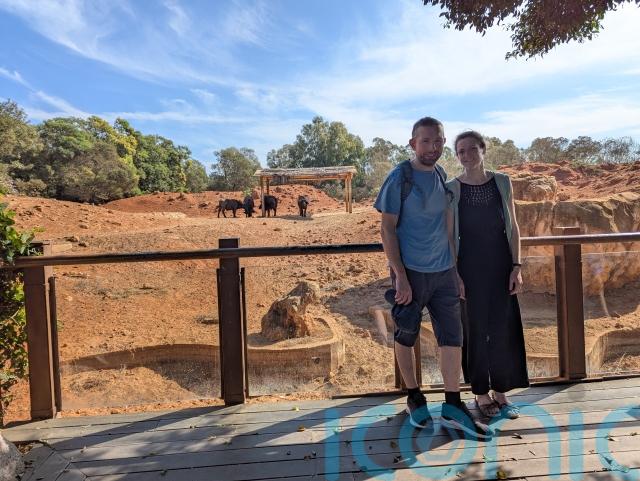
Amy and Simon Taylor, both 41, began fostering in 2019 after seeing an advert from the National Fostering Group looking for foster carers locally to their home in Wrexham, north Wales.
Amy, a primary school teacher, said she was inspired by her work to help children who need a safe, loving home – even for a short while – and while at times they feel “out of our depth”, she says fostering has made their relationship “stronger than it ever has been” and they find joy in giving back to children in their community who need help the most.
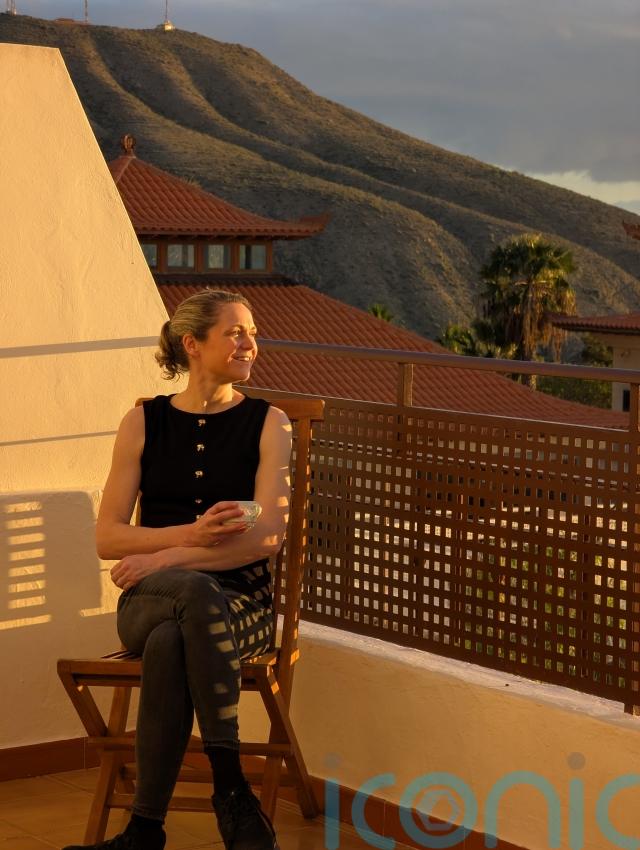
“People talk about fostering being rewarding, but I don’t think you realise how rewarding it is until you do it,” Amy told PA Real Life.
“Obviously, there are days where you think, ‘why am I doing this?’, like you do with any role that you take on in life, but these children have enriched our lives so much, and made us into much happier people, and as a couple as well, made us much happier.
“Seeing the background that children have come from, they teach us a lot of how we can be resilient, because they’ve been through so much, and they adapt, always find the positives, and are always happy.”
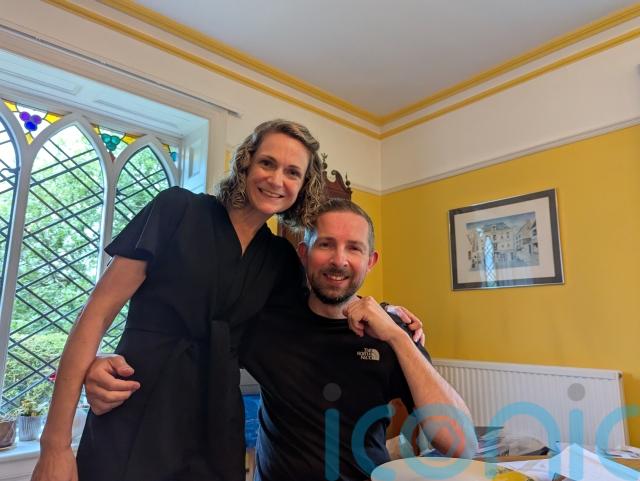
Amy and Simon decided to register as foster carers through the National Fostering Group after Amy became inspired by her job as a primary school teacher, “seeing children in school, basically, who needed a foster home, and wanting to be able to help in that way”.
“There’s times when you want to take the children home with you, help them more than you possibly can,” she said.
“We saw an advert then, looking for foster carers, and contacted them.”
It took about nine months from expressing their interest to being approved by a panel and registered as foster carers, and Amy said the process involved investigations into their financial situation and personal lives, to make sure there was nothing that could potentially impact the children.
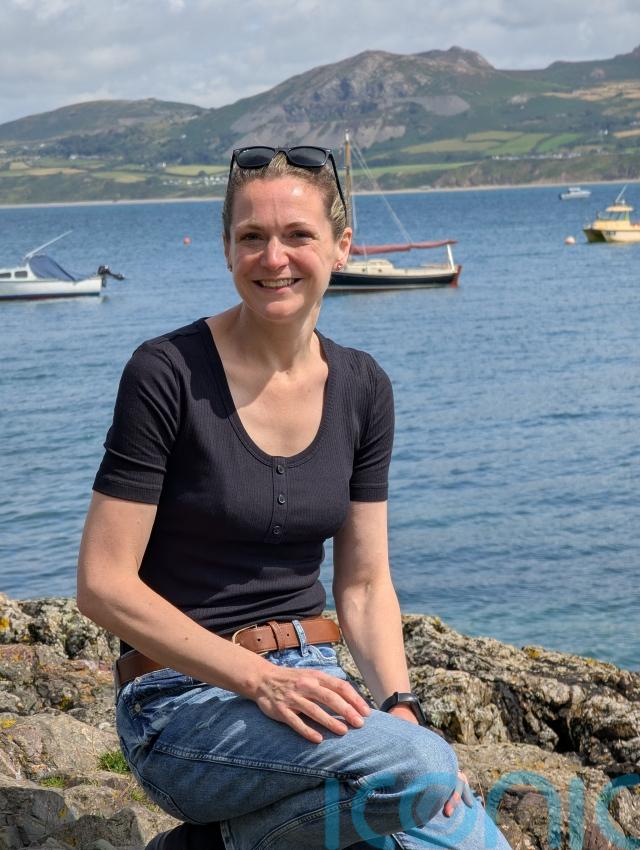
However, they were fully supported throughout the process, with social workers from the National Fostering Group visiting each week to answer any questions they might have and to provide them with the necessary training for caring for vulnerable children.
“By the end of it, we felt quite prepared and ready for placements, which is good,” Amy said.
Amy said she initially expressed an interest in caring for primary school age children, because that’s the age group she was used to working with, but “a lot of people are quite keen on that age range, so there weren’t really any placements coming through at that age range”.
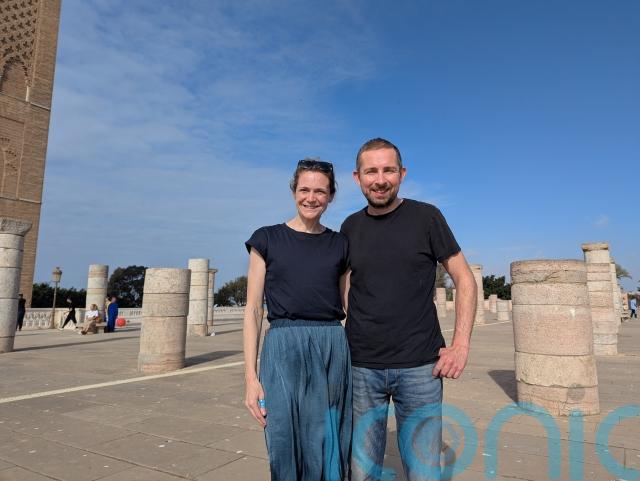
“We initially took on a teenager and an 18-month-old, but felt very out of our depth on both of those!” she added.
“But it was a good experience, and we learned a lot from them.”
“We’ve had a range of placements, from respite – so a day or for a few days – and we’ve done short term,” Amy explained, adding that short term placements are generally up to a year.
The two children that Amy and Simon are currently caring for have been with them for over two years, and while they’d never considered longer-term fostering Amy said that they are “really grateful” to see “the progress” they’ve made in their care and “wouldn’t have it any other way – it’s the best thing we’ve ever done”.
It’s been wonderful, she said, to see “the confidence grow in them over time, to the stage that, in Christmas nativities now, they’re up on the stage talking, feeling really confident.
“And being able to do first things with them, like taking them to the beach for the first time. We took them to Disneyland and Lapland, all those kinds of holidays that you want to spoil children with.
“Being able to do that, and seeing their faces, seeing how happy they are, and becoming more confident, is really good.”

Often, Amy said, the children that come into foster care have experienced trauma, which is something foster parents have “got to be aware of”.
But, she added, through the National Fostering Group there are “lots of opportunities for training so that you feel like you’re skilled to do what you need to do”.
Using therapeutic parenting techniques like PACE, which stands for Playfulness, Acceptance, Curiosity, and Empathy, and encourages caregivers to connect with the child’s internal experience, rather than just reacting to behaviour, “we’re able to put boundaries in to make them feel safe and loved at the same time.”

Amy and Simon aim to make the children feel safe and welcomed from the moment they walk through their front door. To prepare for a new arrival, they will get their home set up with bedding, toys, school uniforms and lunchboxes, making it a welcoming space – sometimes with as little as an hour’s notice.
Amy often takes the child to pick out their own bedding and decor, so that they feel like they “belong”, and offers them reassurance that this is their home, if only for a little while.
“We had one placement where at breakfast the next day, they said: ‘Oh, where are we going tonight?’ Because they’d already been in emergency foster care the night before with somebody else, they came to us and they just assumed that they were going to move them on to another home – it’s giving them that reassurance,” she said.
Of course, saying goodbye to children who have been a part of their lives – whether for a week, several months, or even years – can be challenging. However, Amy said her career as a teacher makes it slightly easier.
“(As a teacher), at the end of the year, we have to say goodbye, and you get a bit teary, but you know it’s for the best,” she explained.
“It’s a bit like that when children move on from placements: You know that they’re either going to a permanent home, or sometimes they go back to their family.
“It’s nice, you’re happy for them – you’ve done what you can, and now it’s time for them to settle somewhere.”
Foster carers are needed now more than ever. If you’ve ever thought about fostering, National Fostering Group welcomes you to get in touch at www.nationalfosteringgroup.co.uk.

Subscribe or register today to discover more from DonegalLive.ie
Buy the e-paper of the Donegal Democrat, Donegal People's Press, Donegal Post and Inish Times here for instant access to Donegal's premier news titles.
Keep up with the latest news from Donegal with our daily newsletter featuring the most important stories of the day delivered to your inbox every evening at 5pm.

This publication supports the work of the Press Council of Ireland and Office of the Press Ombudsman, and our staff operate within the Code of Practice of the Press Council. You can obtain a copy of the Code, or contact the Council, at www.presscouncil.ie, Lo-call 1800 208 080 or email: info@presscouncil.ie.