
The man was sentenced at the Central Criminal Court in Dublin
Search


21 Apr 2026

Please allow ads as they help fund our trusted local news content.
Kindly add us to your ad blocker whitelist.
If you want further access to Ireland's best local journalism, consider contributing and/or subscribing to our free daily Newsletter .
Support our mission and join our community now.
To continue reading this article, you can subscribe for as little as €0.50 per week which will also give you access to all of our premium content and archived articles!
Alternatively, you can pay €0.50 per article, capped at €1 per day.
Thank you for supporting Ireland's best local journalism!


Having access to a home charger can make the whole electric vehicle experience easier and cheaper.
A home charger brings many benefits to EV ownership, with cheaper off-peak charging tariffs coming alongside the convenience of topping up on your doorstep.
So, if you’re about to make the purchase on your first electric vehicle and want a home charger installed, what do you need to know?
Here is our handy guide to everything required when installing a home EV charger.
Set yourself a budget
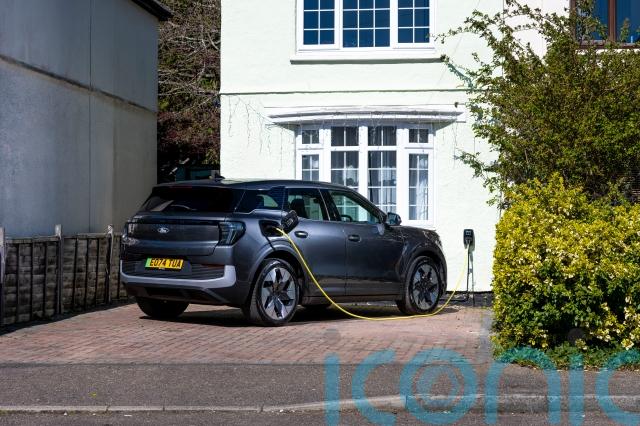
Before you go ahead with the charger installation, it’s important to set yourself a budget.
Depending on the energy provider and installation company, expect to pay between £800 and £1,500 for the cost of both the charging unit itself and the installation. If, for instance, you need a lot more cabling or require the unit to be installed far from the property, then expect those installation costs to rise.
Many energy providers bundle things together, making it easier to budget for. This can also help to reduce the cost overall and you’re bringing together the costs for installation and unit together.
For example, the Ohme offers its ePod compact 7kW charger for £979, including installation. However, costs vary depending on the installation complexity and the type of charging unit.
What type of charger are you looking for?
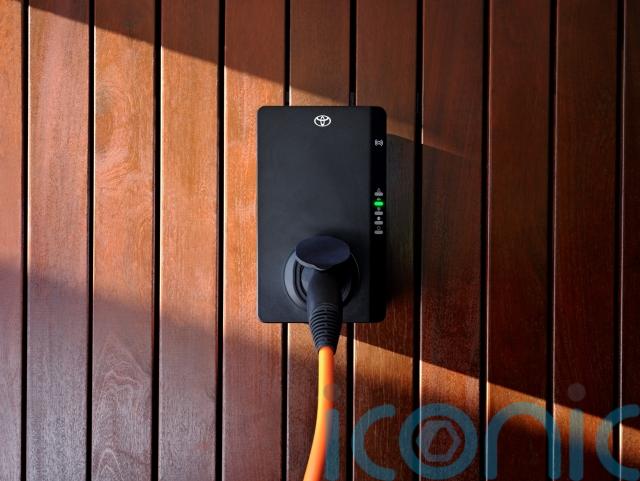
Charger types vary in speed and how a car connects to them.
The tethered charger, for instance, comes equipped with a fixed cable built into the unit, which means it’s easy to simply plug your car in. However, tethered units are bulkier, so they may not be the best bet if you’re short on space outside your property.
Untethered chargers, meanwhile, are not supplied with a built-in cable, which means that you have to manually connect the unit with the EV’s charging cable, which is more time-consuming. On the plus side, untethered units are smaller and take up less space on the outside of your home.
Most electric vehicle chargers used at home will provide 7kW of charging power. It’s quick enough to charge most cars overnight and won’t require any upgrades to your home energy supply.
There are faster 11 and 22kW home chargers available, which can top-up an EV in around five hours; however, you’ll need a three-phase power supply, which a lot of UK homes do not provide.
If a 22kW home charger is the right option for you, you’ll need to upgrade your home energy supply which can be expensive, costing between £3,000 and £15,000 depending on where your house is located and the size of the property.
Do you own your property?
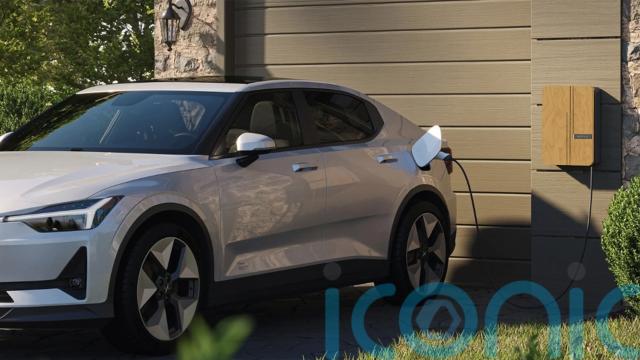
It’s important to know that if you live in a rented property, you must get permission from your landlord before you go ahead with the charger installation.
If you’re a tenant living in rented accommodation, a home EV charger installed is classed as ‘property alteration’ under most tenancy agreements, so you must check before you buy that you’re eligible to have a charger fitted.
If you own your own property, then there is no restriction on having an EV charger, as long as you have an accessible driveway. If you do, then you need to find the best-suited location in the house where the charger can be installed.
The best place for the charger to be fitted is closest to your home’s electrical consumer unit, as this will make it easier to fit and reduce installation costs.
If you park your car in a garage, a charger located indoors could be handy. There are options for drivers without home parking, too. Special cross-pavement gulleys can be installed, but you’ll need to speak to your council before getting these installed.
Pick an energy provider
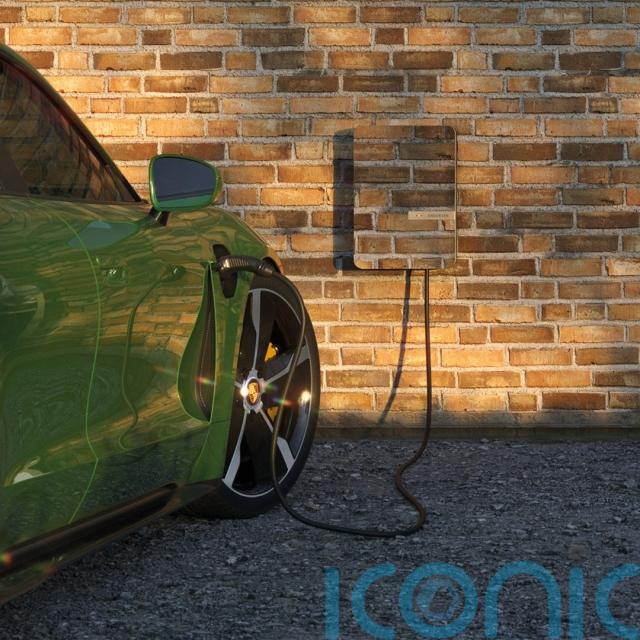
Choosing the right EV tariff is almost as important as picking the right charger.
Many firms will offer incentives to EV drivers to help drive down the costs of charging with EV-friendly tariffs. These special tariffs offer low rates of energy during off-peak times, such as overnight. Many go as low as 7p/kWh, making the cost to fully charge an electric vehicle much cheaper.
You can stick to your current energy provider, but look into whether it can provide you with incentives as an EV driver, as the benefits can help you save money in the long-term.

Subscribe or register today to discover more from DonegalLive.ie
Buy the e-paper of the Donegal Democrat, Donegal People's Press, Donegal Post and Inish Times here for instant access to Donegal's premier news titles.
Keep up with the latest news from Donegal with our daily newsletter featuring the most important stories of the day delivered to your inbox every evening at 5pm.

This publication supports the work of the Press Council of Ireland and Office of the Press Ombudsman, and our staff operate within the Code of Practice of the Press Council. You can obtain a copy of the Code, or contact the Council, at www.presscouncil.ie, Lo-call 1800 208 080 or email: info@presscouncil.ie.