Search


15 Apr 2026
Search
15 Apr 2026

Please allow ads as they help fund our trusted local news content.
Kindly add us to your ad blocker whitelist.
If you want further access to Ireland's best local journalism, consider contributing and/or subscribing to our free daily Newsletter .
Support our mission and join our community now.
To continue reading this article, you can subscribe for as little as €0.50 per week which will also give you access to all of our premium content and archived articles!
Alternatively, you can pay €0.50 per article, capped at €1 per day.
Thank you for supporting Ireland's best local journalism!


Running an EV is very different to owning a combustion-powered car for many reasons.
When it comes to servicing, an EV uses fewer moving parts compared to a petrol or diesel vehicle, which means they require less maintenance to keep them on the road.
However, there are several parts on an electric vehicle that still need to be inspected regularly to ensure that they are safe to use.
If you’re thinking about transitioning to an EV, what needs regular servicing?
We’ve compiled a list of all the components on an EV that needs to be looked over to keep it in tip-top condition.
Batteries and electric motors
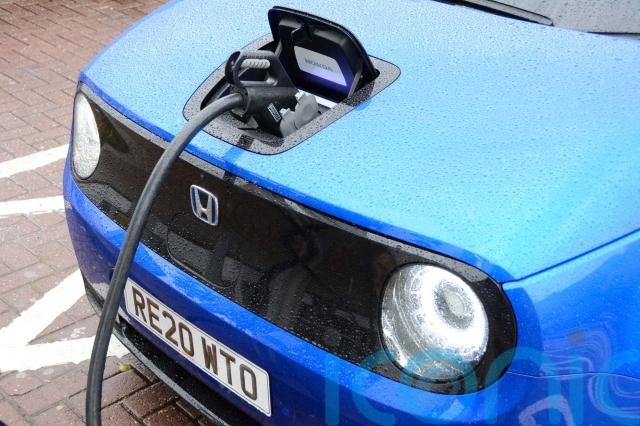
The battery pack and electric motor are the heart of an EV and will need to be checked over once a year as part of its routine service.
A battery health check will assess how this key component is performing and whether it shows any signs of degradation.
Battery degradation is when the cells within the unit begin to deteriorate, which means the vehicle won’t be able to travel as far on a single charge.
If you’re looking at a second-hand EV, make sure it comes with its latest battery health report to see if it’s in good working condition and that it holds a good charge. If it’s not, simply walk away and look for another example.
Tyres
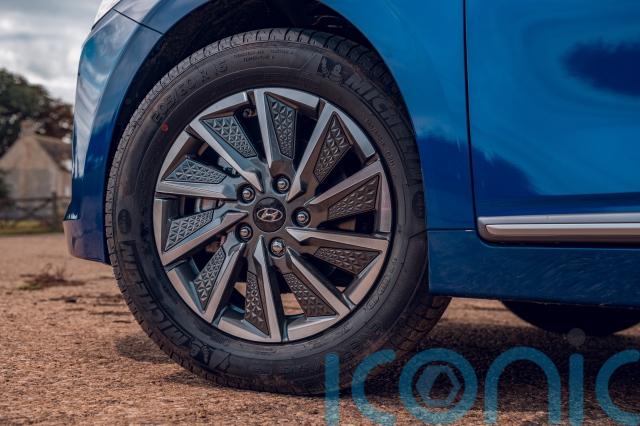
EVs are often heavier than combustion vehicles due to their battery packs and electric motors.
That means the extra weight can put more strain on the tyres, while their instant throttle response can also degrade the rubber more quickly.
Make sure that the tyres are in good condition and that the tread depths are above 1.6mm. Anything below that reading will need to be replaced immediately as the car will fail its MOT.
We’d recommend getting the tyres replaced when the tread depths reach 3mm, as this still gives you enough grip and stopping power, while it is still safe to use on the roads. There are also several providers of EV-specific tyres which bring better rolling resistance and, in the process, can improve efficiency.
Brakes
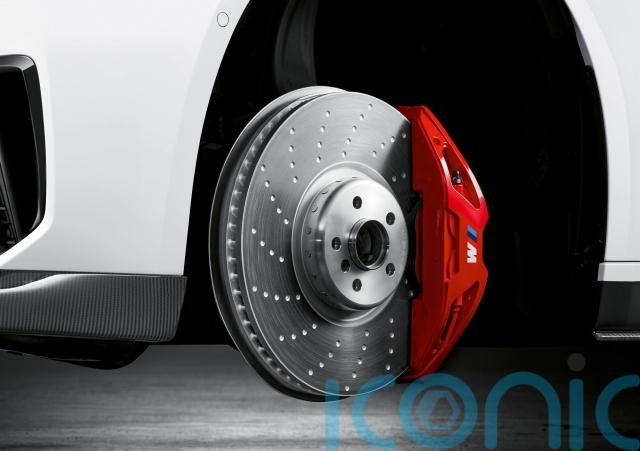
Several EVs feature regenerative braking, which allows the driver to lift off the accelerator pedal, with the momentum of the vehicle turning the electric motor into a generator to slow the car down and put power back into the battery.
The advantages are that the brake discs and pads get used less frequently. However, they will still need to be changed periodically as the car ages. These components can weaken over time through corrosion, scoring and seized brake calipers.
Suspension
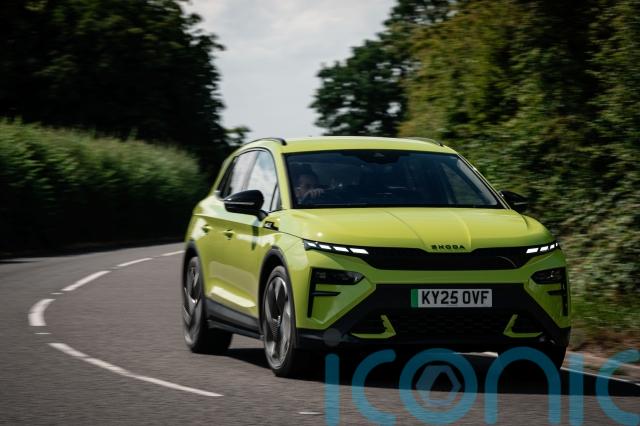
An EV’s extra weight can put a lot of strain on the springs, shock absorbers and suspension components.
This means they can wear more quickly, but these parts should be checked as part of the vehicle’s service.
Just like with conventional cars, most EVs use the same suspension setups with all the mechanical parts needing to be replaced as the car ages from leaking shock absorbers, snapped coil springs or worn suspension arms.
Oil and coolant
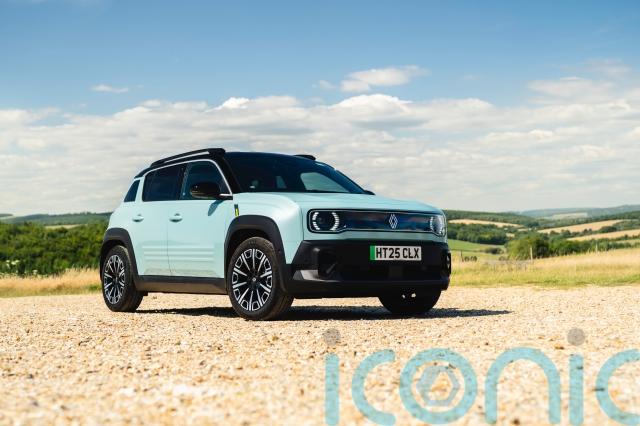
Just because an electric vehicle doesn’t have an engine, there are still fluids that need to be looked at.
Some EVs will use oil in their transmissions, and this will need to be checked and replaced at regular intervals. However, this isn’t the case for all electric cars, so check the manufacturer’s guidelines for your vehicle.
Electric vehicles also use coolant that is used to keep the battery at a stable operating temperature and allow it to work properly during cold or warm conditions.
Unlike conventional petrol and diesel vehicles, these fluids don’t need to be replaced as frequently as engine oil or brake fluid, although they will need to be changed as the vehicle ages to retain the best condition of the vehicle’s transmission and battery pack.
An EV’s service book will tell you the manufacturer’s guided maintenance intervals of when these fluids need to be changed.
Wiper blades and washer fluid
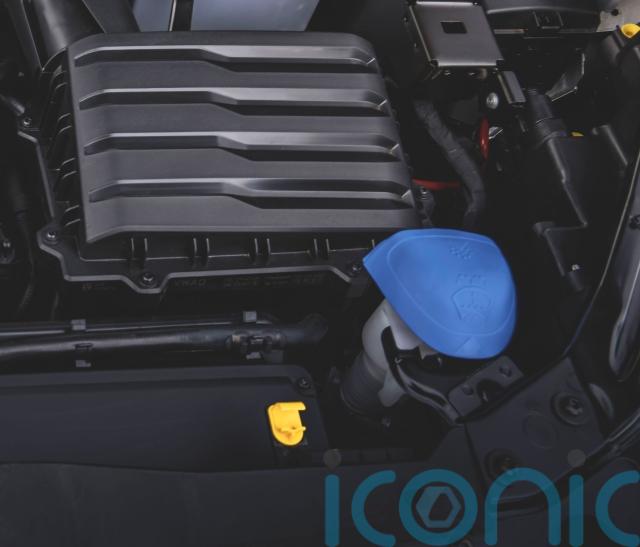
Wiper blades will need to be regularly replaced on an EV, as they’re the same as those found on combustion vehicles.
The rubber will perish over time, leading to splitting. Because of this, the blades won’t be able to clean a windscreen as effectively and that means visibility will be reduced in poor weather conditions. Worn wipers can damage and scratch a windscreen, too. If the wipers are starting to deteriorate, replace them immediately, as poor wiper blades can lead to an MOT fail.
EVs also use the same screenwash to clear their front and rear glass areas. During the winter period, the fluid will be used far more frequently to remove road grime, which leads to the substance having to be topped up more often.

Subscribe or register today to discover more from DonegalLive.ie
Buy the e-paper of the Donegal Democrat, Donegal People's Press, Donegal Post and Inish Times here for instant access to Donegal's premier news titles.
Keep up with the latest news from Donegal with our daily newsletter featuring the most important stories of the day delivered to your inbox every evening at 5pm.

This publication supports the work of the Press Council of Ireland and Office of the Press Ombudsman, and our staff operate within the Code of Practice of the Press Council. You can obtain a copy of the Code, or contact the Council, at www.presscouncil.ie, Lo-call 1800 208 080 or email: info@presscouncil.ie.