Search


22 Apr 2026
Search
22 Apr 2026

Please allow ads as they help fund our trusted local news content.
Kindly add us to your ad blocker whitelist.
If you want further access to Ireland's best local journalism, consider contributing and/or subscribing to our free daily Newsletter .
Support our mission and join our community now.
To continue reading this article, you can subscribe for as little as €0.50 per week which will also give you access to all of our premium content and archived articles!
Alternatively, you can pay €0.50 per article, capped at €1 per day.
Thank you for supporting Ireland's best local journalism!


Many of us look to reset our eating habits and embrace healthier choices in the new year after weeks of festive indulgence. However, rather than chasing the latest food trends, it’s far more important to nourish our bodies with the foods they truly need.
As we move into our 60s and beyond, our bodies undergo significant changes, making it even more essential to prioritise our health and fuel ourselves with the vital nutrients that help keep us fit, strong and energised.
We spoke to registered dietitian Nigel Denby, founder of Your Menopause by Harley Street at Home, who has highlighted some of the best foods to include in your diet in 2026 to support your health well into the golden years.
Eat a rainbow of fruit and veg to boost immunity
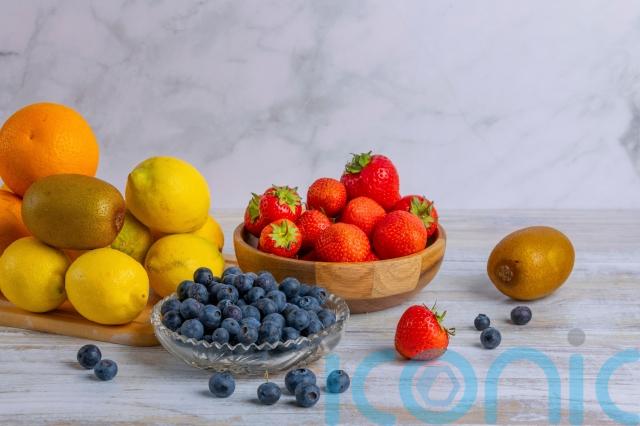
Older adults tend be more susceptible to all the colds and flus circulating in the chilly winter months, so Denby recommends naturally boosting your immunity with foods that are bursting full of antioxidants.
“The recommendation of five fruit and veg a day is there to give us the bare minimum of antioxidants that we need to keep ourselves in the best health,” says Denby.
To ensure that our bodies are getting all the antioxidants that they need, Denby recommends eating a rainbow of fruit and veg every day.
“You can usually tell what antioxidants are inside fruits and vegetables simply by looking at the colour,” says Denby. “The dark leafy greens tend to contain lots of B vitamins, the oranges and yellows tend to contain vitamin A and lot of purple vegetables like red cabbage are rich in anthocyanins, which are another powerful antioxidant.”
Incorporate more mince into your meals to up your iron levels
“Iron levels tend to be lower in the over-60s group for a couple of reasons,” says the dietitian. “If older people are struggling on a low income, then they might not able to include meat in their diet as often as they might like because it’s quite expensive.
“In addition, a lot of people in their 70s and 80s have dentures or their gums often tend to recede a little bit and that can make chewing things like red meat more difficult.”
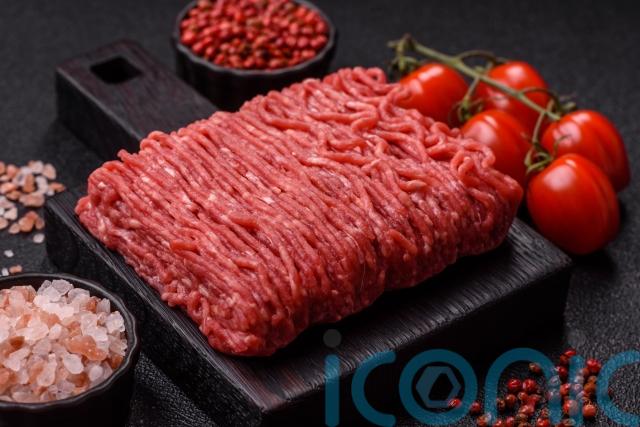
Denby hails red meat as one of the best food sources of iron, and suggests that older adults who struggle with chewing should consider cooking with mince.
“There’s just as much iron in red meat mince as there is in a sirloin steak,” says Denby. “I would recommend choosing the leaner forms of mince that are going to contain more iron, and to cook it slowly so it becomes super tender.”
However, there are vegetarian options that contain iron too.
“You’ll also find iron in things like beans and pulses, and fortified breakfast cereals are a great way of getting more iron into the diet,” says Denby. “Eggs are also a really affordable and versatile source of iron.”
Leave the skin on vegetables to increase fibre intake
“We see an awful lot of very low fibre intakes, which can lead to all kinds of bowel issues, IBS, constipation, and for older people who are at risk of things like diverticulitis, that can be a particular concern,” says Denby “Most people in the UK aren’t consuming enough fibre, but that tends to be even more prevalent in the over 60s.”
The simplest way to increase your fibre intake is to add more fruit, vegetables and whole grains into your meals.
“You don’t need to eat bowls and bowls of All-Bran to get your fibre up, there are much better ways of doing that with foods like fruits and veg and whole grains,” says Denby. “Eating more oats in particular is a really easy way of getting more fibre in.”
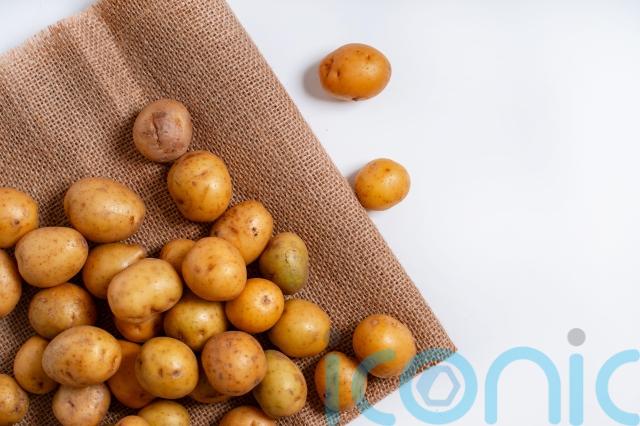
Another way to up your fibre intake is to put to peeler down.
“Eating things like baby new potatoes and leaving the skins on those will also increase your fibre intake,” says Denvy. “In addition, when it’s cold like it is now adding things like beans to casseroles and stews is a great way to add in more fibre.”
Pack a protein punch in every meal
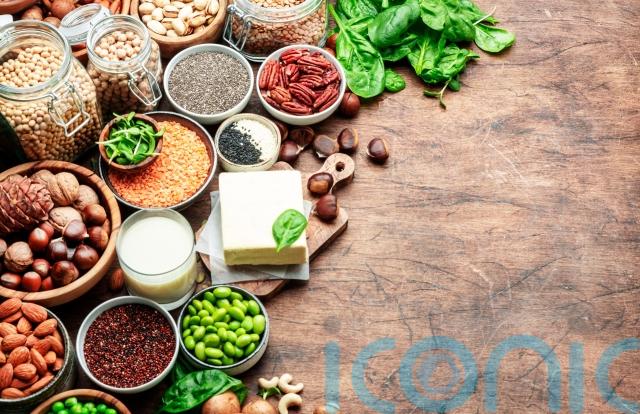
“Adults generally need around one gram of protein for every kilogram of their body weight per day,” says Denby. “We use protein to build new muscle tissue and new cells, and as we get older we tend to lose muscle tissue through a natural process called sarcopenia, so it may be the case that older people need more protein than we originally thought.”
A variety of dairy foods, meat, fish, chicken, eggs, tofu and even nuts and pulses are a great source of protein.
“We tend to recommend now that people consume protein at every meal, so that might be some eggs or yogurt at breakfast, cheese or cold meats at lunchtime, and then something like some chicken, fish, red meat or tofu in the evening,” suggests Denby.
Eat yoghurt and cheese to keep your bones strong

“We also see an increase in osteoporosis and more fragile bone density in older age, so calcium and vitamin D are very important,” says Denby. “Very few people are consuming enough calcium over 60, so may need to start thinking about three servings of dairy-rich food each day.
“A serving can be a small pot of yoghurt, a piece of cheese (about 40 grams), or about 200ml of low-fat milk.
“If people prefer to choose dairy free alternatives, it’s important that they make sure that those are calcium-enriched, because very few of them contain calcium naturally.”

Subscribe or register today to discover more from DonegalLive.ie
Buy the e-paper of the Donegal Democrat, Donegal People's Press, Donegal Post and Inish Times here for instant access to Donegal's premier news titles.
Keep up with the latest news from Donegal with our daily newsletter featuring the most important stories of the day delivered to your inbox every evening at 5pm.

This publication supports the work of the Press Council of Ireland and Office of the Press Ombudsman, and our staff operate within the Code of Practice of the Press Council. You can obtain a copy of the Code, or contact the Council, at www.presscouncil.ie, Lo-call 1800 208 080 or email: info@presscouncil.ie.