Gardai say the fatal incident happened near Kilworth, County Cork on Monday afternoon | FILE PHOTO
Search


25 Mar 2026

Please allow ads as they help fund our trusted local news content.
Kindly add us to your ad blocker whitelist.
If you want further access to Ireland's best local journalism, consider contributing and/or subscribing to our free daily Newsletter .
Support our mission and join our community now.
To continue reading this article, you can subscribe for as little as €0.50 per week which will also give you access to all of our premium content and archived articles!
Alternatively, you can pay €0.50 per article, capped at €1 per day.
Thank you for supporting Ireland's best local journalism!


With dishes like chocolate hummus and sweet potato falafel sweeping social media, chef Jad Youssef says he’s concerned that “Lebanese food is losing its identity”.
Lebanese-born Youssef moved from his home country in 1999 and has lived and worked all over the world – including Oslo, Hong Kong, and now Surrey, where he runs his restaurant Lebnani.
Before establishing Lebnani, he says: “I started to feel like Lebanese food is losing its identity – not only in the UK, but in Europe and even in Lebanon.
“Sometimes I watch influencers – not chefs or authors of cookbooks, but influencers – trying to make meat shawarma with halloumi.”
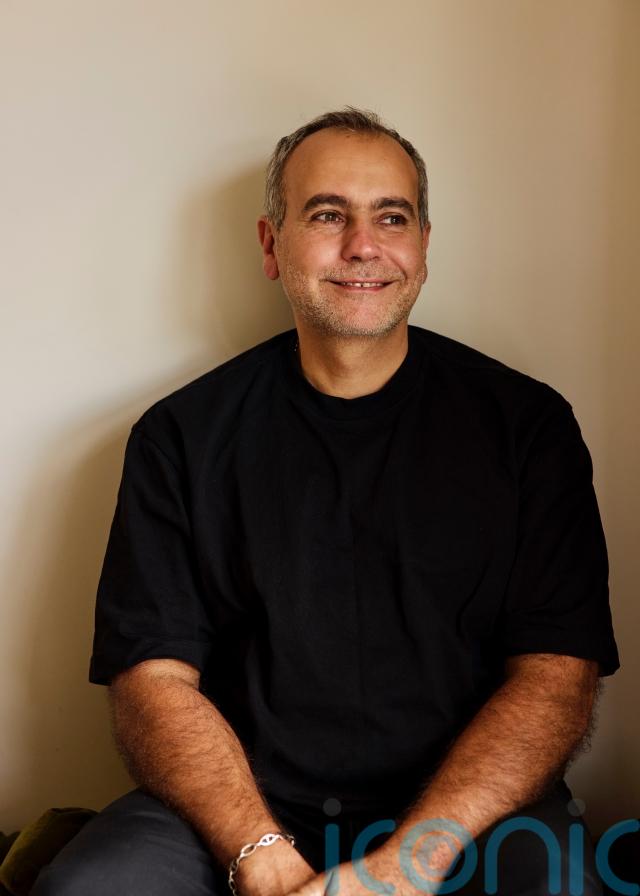
Youssef accompanies this statement with a half-joking eye roll, continuing: “When you say shawarma or donor, it’s meat. Or when you say falafel –we know what falafel is, it’s fried, so it’s crispy on the outside, nice and fluffy on the inside, with a nice whipped tahini cream. But now you see baked falafel, or falafel with sweet potato, or falafel with beetroot.”
These ‘twists’ on classic recipes are to “fit the Western palate”, Youssef suggests, adding: “[It] doesn’t make me angry, but makes me sad.”
That’s why Youssef set up his own restaurant, and is now releasing his debut cookbook, also called Lebnani – which means to be Lebanese.
“I want to focus on the classics and tradition, and make them the right way – how we do it back home, how my mum used to do it, and my aunties, and now my sisters,” he explains.
In the cookbook there are traditional recipes of everything from hummus and kafta (meat skewers) to falafel and tabbouleh – and you can be sure his recipe for knefe, a sweet dish made with warm cheese, pastry and orange blossom – absolutely does not contain corn flakes (yes, that is something he’s seen an influencer do online).
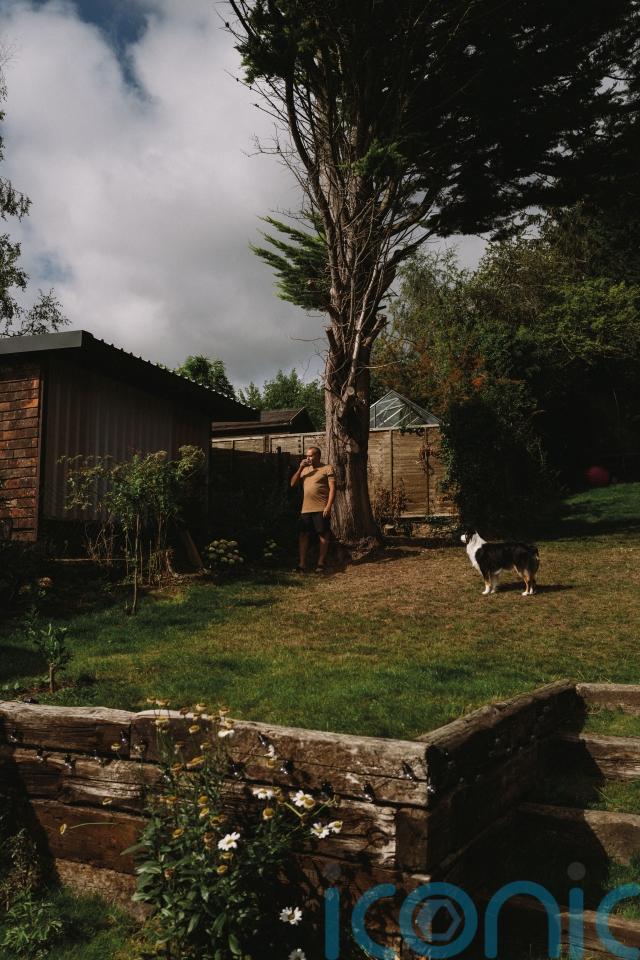
“It’s [enough] to drive you mad, what these people are doing,” he says. “OK, it’s good to be creative – but don’t ruin the tradition and the beauty of these nice dishes. We were all born with it and live with it. Each time I go back home I only ask for those classic dishes to eat – that’s what I want, because I miss them.”
Lebanese food has gone global, but what do people tend to get wrong about it?
“I think when you say Lebanese, [people] straight away get an image that it’s mezze and grill only, but there’s a lot behind it,” Youssef says.
“It’s not only hummus or a tabbouleh salad, or falafel or kafta. We have over 200 dishes of mezze between vegan, vegetarian and meat, and they’re quite seasonal as well.”
That’s why the book also contains some lesser-known dishes that are staples in any Lebanese home, like fraké nayyé – a southern-style spiced lamb tartare, usually eaten in springtime with fresh warm bread and a glass of arak.
There’s also hindbeh b’zeit – a dish of sautéed wild dandelion greens with caramelised onions – and baba ghanouj, but not as people might know it. When you order baba ghanouj at a restaurant, more often than not you’ll get a smoked aubergine dip with tahini – but that, according to Youssef, is not actually baba ghanouj, but something called mtabbal.
“Baba ghanouj, it’s charred aubergine with vegetables inside it – so it has garlic, chopped parsley, spring onion, fresh mint, lemon juice and olive oil – no tahini.”
Born in 1977, two years after the Lebanese Civil War started, Youssef admits that war shaped his family’s approach to food.
He suggests food was a uniting force amongst turmoil, saying: “Whatever happens, we still sit around the table and we’re going to eat.”
As the youngest of six siblings, Youssef says how his older brothers and sisters were all encouraged to leave the country by their parents, to “go somewhere safe”.
With the majority of his siblings studying or working out of Lebanon, it was down to Youssef to help his parents. He helped his mother with all the at-home cooking, while also lending a hand in his father’s pastry shop in Beirut.
Youssef, who says he was part of “the war generation”, remembers months at a time when school would be cancelled, meaning he would accompany his mother to the market every day to help pick out ingredients for meals. This “opened my eyes” to food, he says, learning from his mum how to pick the best tomatoes, or what to look for at the butchers.
“This is where I learned about how to choose,” he says. “To work with good ingredients, good spices, good olive oil… I was born surrounded with food.”
Youssef says it was inevitable he would become a chef: “I had no chance,” he laughs. “Lebanese people, they love food, they have a passion for food.
“I go home, and in the morning, I wake up, I take a coffee, and my mum asks me, ‘So, what do you want to have for breakfast?’ Then breakfast finishes, and [my mother and my sister] they’re talking about what they’re going to cook for lunch. After lunch – [then what’s] for dinner…
“It’s absolutely constant.”
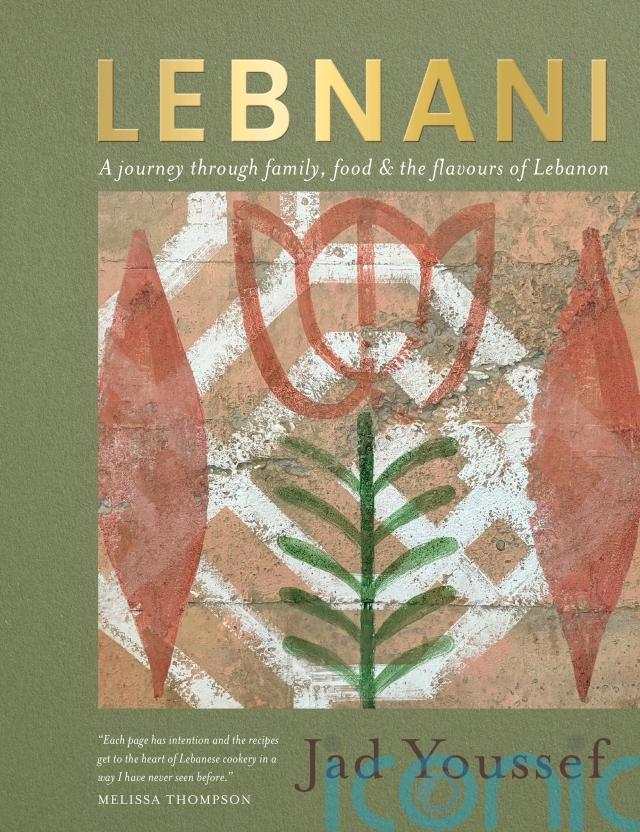
Lebnani by Jad Youssef is published in hardback by Meze, priced £28. Photography by Matt Lincoln. Available now.

Subscribe or register today to discover more from DonegalLive.ie
Buy the e-paper of the Donegal Democrat, Donegal People's Press, Donegal Post and Inish Times here for instant access to Donegal's premier news titles.
Keep up with the latest news from Donegal with our daily newsletter featuring the most important stories of the day delivered to your inbox every evening at 5pm.

This publication supports the work of the Press Council of Ireland and Office of the Press Ombudsman, and our staff operate within the Code of Practice of the Press Council. You can obtain a copy of the Code, or contact the Council, at www.presscouncil.ie, Lo-call 1800 208 080 or email: info@presscouncil.ie.