
FIFA instructs referees to clamp down on time wasting at Women’s World Cup
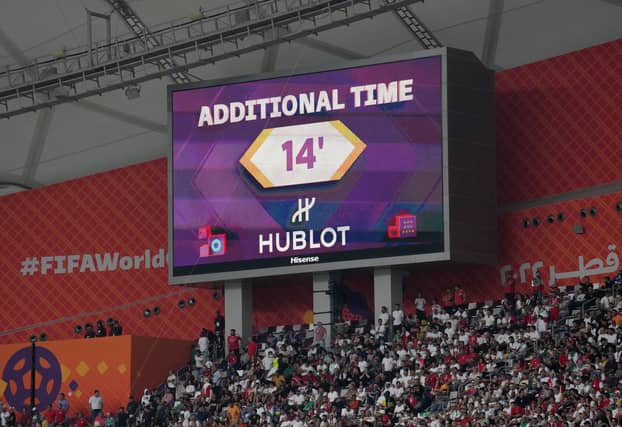

England and the Republic of Ireland face the prospect of matches lasting 100 minutes or more at the Women’s World Cup.
Referees are under instruction to clamp down on time-wasting just as they were at the men’s finals in Qatar last year, the PA news agency understands.

In Qatar that led to 11 minutes being added on to matches on average, with 27 extra minutes played in England’s opening game of the tournament against Iran.
Referees will also be under instruction to be proactive at restarts in play such as free-kicks, throw-ins and corners, and to enforce the six-second rule governing how long a goalkeeper can hold onto the ball before releasing it.
Two major differences in Australia and New Zealand compared to Qatar will be referees announcing the final decision after an on-field review, and clamping down on goalkeepers who try to distract the kicker in a penalty shoot-out.
Referees will tell the crowd in the stadium and the television audience the final decision they have reached and why, following an on-field review. This continues a trial which started at the men’s Club World Cup in Morocco in February.
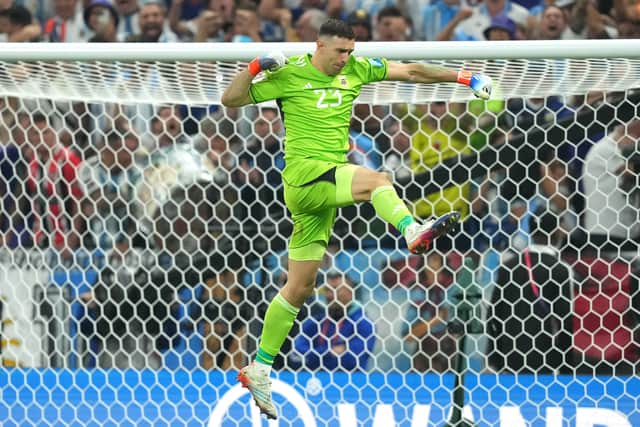
The game’s lawmakers have sought to clamp down on goalkeepers attempting to distract penalty takers in a shoot-out, following the antics of Argentina goalkeeper Emiliano Martinez in the men’s World Cup final against France.
A referee would initially give a warning, followed by a yellow card, followed by a red if the initial warning is not heeded.
It is extremely unlikely a goalkeeper would be sent off during the shoot-out, as any yellow card issued during the regular match or extra-time is wiped before heading into the shoot-out.
If the goalkeeper did still manage to get themselves sent off, one of the outfield players already on the pitch would have to replace them in goal.