Search


21 Apr 2026
Search
21 Apr 2026

Please allow ads as they help fund our trusted local news content.
Kindly add us to your ad blocker whitelist.
If you want further access to Ireland's best local journalism, consider contributing and/or subscribing to our free daily Newsletter .
Support our mission and join our community now.
To continue reading this article, you can subscribe for as little as €0.50 per week which will also give you access to all of our premium content and archived articles!
Alternatively, you can pay €0.50 per article, capped at €1 per day.
Thank you for supporting Ireland's best local journalism!


Ahead of her 91st birthday on Tuesday, Dame Judi Dench has opened up about her worsening eyesight.
The beloved actress was first diagnosed with age-related macular degeneration (AMD) in 2012, and revealed in an interview with the Radio Times that she can no longer see the television.
In the interview, Dench described the decline in her vision as “crushing”, and added: “Well, I miss seeing Clive Myrie doing Mastermind, but I can hear the questions”.
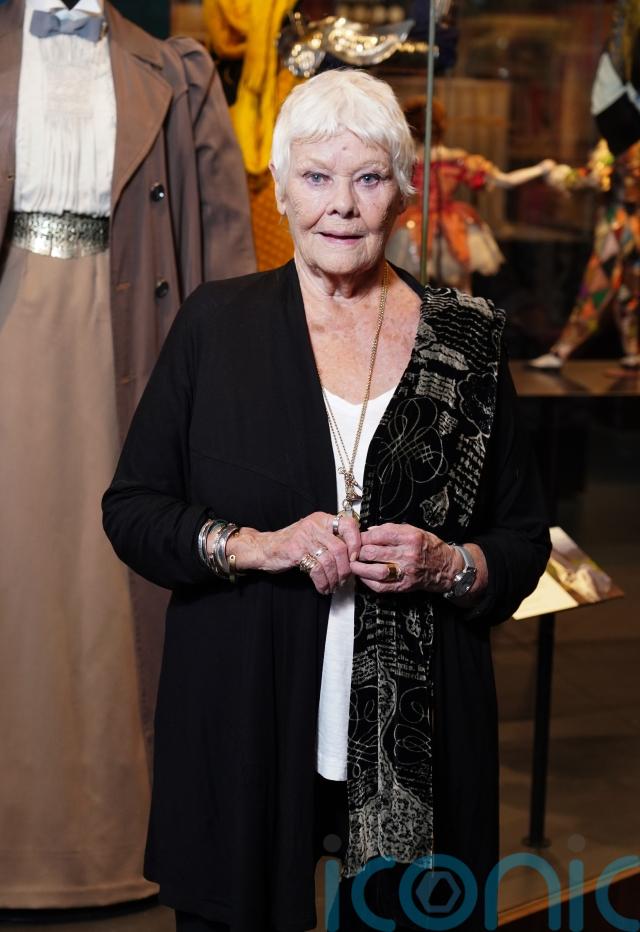
Over the years, her diagnosis has helped draw vital attention to this eye condition and following her latest comments, we spoke with Denise Voon, a clinical adviser at The College of Optometrists, who explained what age-related macular degeneration is, the different forms it can take, and the key symptoms people should be aware of.
What is age-related macular degeneration?
There are two main types of AMD.
“There’s dry AMD and wet AMD, and although they fall under the same umbrella, they are quite distinctive,” explains Voon.
She highlights that dry AMD is the most common type.
“The cells at the back of the eye and the retina gradually degenerate with with age and can lead to deposits called drusen,” explains Voon.
While a few small drusen are a natural sign of ageing, numerous small drusen, or larger ones, can be a sign of progression towards AMD, according to the The College of Optometrists’ website.
“Dry AMD is usually very slow progressing and many people don’t notice any issues for years,” says Voon. “A lot of people have quite near normal vision, but if dry AMD gets a lot worse, it can lead to visual problems.”
However, wet AMD tends to develop and impact your vision more rapidly.
“Wet AMD is much less common, but it can impacts your vision quite a bit more,” notes Voon. “It occurs when abnormal blood vessels grow into the retina and then they leak, and they can cause a very sudden and rapid loss of vision.
“What a lot of people say is that they went to bed and seemed absolutely fine and then when they woke up, they couldn’t see.”
Who is more likely to be affected?
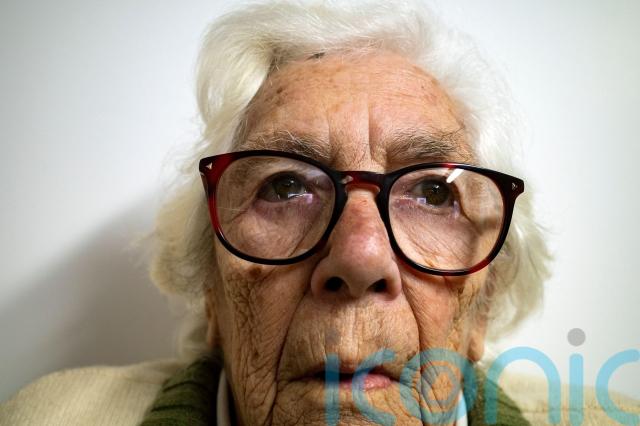
The older we are, the greater our risk of developing the condition. Around one in every 200 people has AMD at 60, according to Macular Society.
There is also several other risk factors.
“If you’ve got family history of it that can be a risk factor,” says Voon. “Obesity and having an unhealthy diet can also increase your risk, but the biggest risk factor for AMD is smoking.”
What are the main early signs to look out for?
“What people often first notice, and this is both the same with wet and dry AMD, is that the straight lines can appear distorted or bent,” says Voon. “They look at a window frame and say hang on, why does that look bent?”
Smudges and bright light sensitivity is another common sign.
“They might also notice spots or smudges in their central vision and bright lights may become much more uncomfortable,” says Voon. “When you have AMD it might take your eyes longer to adjust when moving from a dark room from a light room.
“In addition, colours can look faded but distortion and not being able to see in your central vision are usually the most common symptoms.”
How is AMD diagnosed?
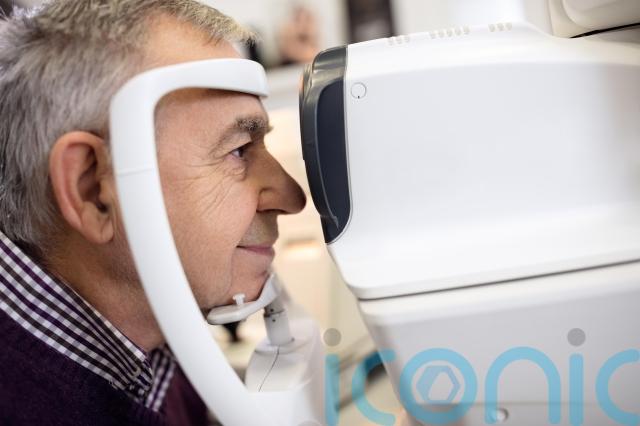
“We’d recommend going to see your optometrist at least every two years because often early stages of AMD are picked up during an eye test,” recommends Voon. “You might not notice any symptoms at all, but your optometrist might be able to see the drusen deposits that are present in dry AMD.
“Then if you have a very sudden, rapid loss of vision and it might be wet AMD, then the best thing is to contact your optometrist and get them to have a look, and they’ll be able to refer you for treatment.”
How can it affect someone’s everyday life?

“It usually affects your central vision, so reading can be more difficult and just getting around can be more difficult,” highlights Voon. “One of the really common things that people complain about is they just can’t recognise faces because it’s just that central part that’s been blurred out.”
If left untreated, it can lead to serious consequences.
“If wet AMD is left untreated, it can lead to scarring at the back of the eye, so then you would get sight loss,” says Voon. “Once it’s scarred, there’s nothing we can do treatment-wise, so one of the main consequences is that you could lose your central vision.”
Can it be treated?
Injections are the main form of treatment for wet AMD on the NHS.
“Anti VEGF (Vascular Endothelial Growth Factor) treatments help stops the abnormal growth of the abnormal blood vessels growing,” explains Voon. “It’s an injection into the eye and they are usually fairly regular.”
However, there is currently no formal treatment for dry AMD on the NHS.
“You can get some treatments for managing dry AMD privately, but they’re all quite new so we’re not quite sure how effective they are at this stage,” says Voon. “But there are some new, exciting things on the horizon that hopefully will will come in fruition, but they’re still currently in the approval stage.”
Optometrists can also provide advice on magnifiers or support with accessibility for phones, she adds.
“There are lots of support groups available as well, and The Macular Society are particularly active and really helpful,” says Voon.
Can it be prevented?
“Quitting smoking is the biggest and best thing you can do to help prevent AMD worsening,” says Voon.
It’s also important maintain a healthy weight and a normal blood pressure.
“Regular exercise and healthy diet including lots of green leafy vegetables are particularly good for macular health,” says Voon. “Furthermore, visiting your optometrist regularly is also crucial as if they see anything that needs treating, they can refer you for treatment and advise you on how best to keep your eyes healthy.”

Subscribe or register today to discover more from DonegalLive.ie
Buy the e-paper of the Donegal Democrat, Donegal People's Press, Donegal Post and Inish Times here for instant access to Donegal's premier news titles.
Keep up with the latest news from Donegal with our daily newsletter featuring the most important stories of the day delivered to your inbox every evening at 5pm.

This publication supports the work of the Press Council of Ireland and Office of the Press Ombudsman, and our staff operate within the Code of Practice of the Press Council. You can obtain a copy of the Code, or contact the Council, at www.presscouncil.ie, Lo-call 1800 208 080 or email: info@presscouncil.ie.