
'Pure nostalgia' - Throwback pictures from the last time Ireland reached World Cup in 2002
Search


26 Mar 2026

Please allow ads as they help fund our trusted local news content.
Kindly add us to your ad blocker whitelist.
If you want further access to Ireland's best local journalism, consider contributing and/or subscribing to our free daily Newsletter .
Support our mission and join our community now.
To continue reading this article, you can subscribe for as little as €0.50 per week which will also give you access to all of our premium content and archived articles!
Alternatively, you can pay €0.50 per article, capped at €1 per day.
Thank you for supporting Ireland's best local journalism!


As the chilly weather sets in, you might start to notice a familiar ache creep into your joints. But is this seasonal discomfort just a coincidence?
Here are some common reasons behind these winter aches and some expert-backed tips on how to prevent and manage them…
What are the most common areas to get joint pains in the winter?

“All joints can be affected, but it can be particularly noticeable in joints with complex bone structures furthest away from our core body, with hands and feet being particularly susceptible to these pains,” says Jon Taberner, community rehabilitation implementation specialist at Nuffield Health. “If you have damaged or worn joints, you will also likely see an increase in pains in these joints in colder weather. ”
What are some factors that can contribute towards joint pain in the winter?
Reduced activity
“People are generally less active in the winter months because it’s colder outside, so they might be doing less walking, less outside exercise and might even go to the gym less because of the barrier of it being cold to get there,” says London-based physiotherapist Ben Lombard. “This reduced activity can lead to reduced lubrication and muscle weakness, which can cause joint pain.
“Joints are surrounded by something called a synovial membrane, and synovial fluid is produced by that membrane. The job of the synovial fluid is to lubricate the joints and when you do less movement and when it’s generally colder, the synovial fluid will be less fluid and more thick.”

Drop in barometric pressure
“In winter the barometric pressure often drops, and can cause muscles and tendons to create more pressure on the joints, leading to joint pain,” explains Lombard.
Decreased blood circulation
“As the weather gets colder, our body pulls blood away from our extremities to protect our vital organs and keep them warm,” explains Taberner. “This results in less blood flow to our joints, and less blood flow can lead to poorer lubrication around the joint, and therefore, more pain.”
Who is more likely to be affected by joint pain in the winter months?

“There are multiple factors at play which can cause joint pain in the winter and it can affect any age, but it’s more likely to affect people more as they get older,” says Taberner. “As we age, our joints naturally begin to wear down, and this wear and tear can be a primary reason for the additional pain and/or stiffness.
“Wear and tear will likely be more common in those that have had a long history of manual labour, or high-impact activities that put pressure on the joints.
“Additionally, conditions such as obesity, diabetes, heart disease and high blood pressure can increase the likelihood of having joint conditions and therefore, joint pains.”
Here is some advice on how to prevent and manage joint pain in the colder months…
Take painkillers when needed
“Intervention, such as painkillers, will help to reduce the pain there and then, but it won’t provide long-term relief to the overarching issues,” says Taberner. “Painkillers mask but don’t solve the pain. They should be taken as and when needed, but you should also focus on preventative methods.”
Layer up
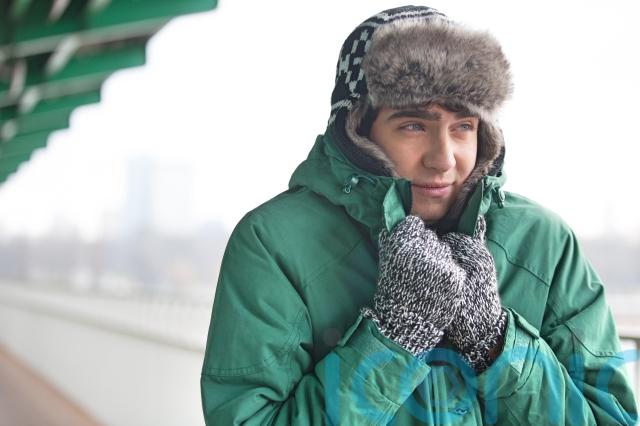
“Make sure that you’re wrapping up warm,” advises Lombard. “Wearing thermals and layers, as simple as it sounds, can be quite useful.”
Use heat packs
“I would recommend things like hot water bottles or even heat packs, just to increase the blood flow and lubrication,” recommends Lombard.
Move your body

“Moving will stimulate the release of synovial fluid in the joint, which helps alleviate stiffness,” says Taberner. “It also increases blood flow to the joints you are moving and helps warm your whole body up, which can also help to decrease pain.
“Maintaining an exercise routine can help to keep our joints strong, reduce the progression of wear and tear and reduce the risk of injury, all of which will help to decrease the chances of experiencing pain.”
However, before undergoing any exercise Taberner recommends checking in with a medical professional to ensure that it is safe to do so, especially if you have a diagnosed condition that could be affected by exercise.
Stay hydrated
“Synovial fluids are influenced by the hydration in your body, so hydration generally would certainly help keep things more mobile and flexible,” says Lombard.
Contact a professional

“You should always contact your medical professional if the pain is new or noticeably more severe, if the joint becomes red, swollen or hot to the touch, or if the pain and/or stiffness doesn’t improve once you begin to move,” highlights Taberner. “Also, seek help if you feel any additional symptoms such as fever and sickness.”
Consider a strength training programme
“A sustainable strength-based exercise regime will also increase protective effects and further decrease your risk of these pains developing in the future,” says Taberner.
However, speak to a medical or fitness professional before you start.
“They can provide guidance on performing strength training safely and effectively,” explains Taberner. “It’s crucial when building exercise regimes that you’re doing exercise you enjoy, and a professional can help you to identify what that regime may look like.”

Subscribe or register today to discover more from DonegalLive.ie
Buy the e-paper of the Donegal Democrat, Donegal People's Press, Donegal Post and Inish Times here for instant access to Donegal's premier news titles.
Keep up with the latest news from Donegal with our daily newsletter featuring the most important stories of the day delivered to your inbox every evening at 5pm.

This publication supports the work of the Press Council of Ireland and Office of the Press Ombudsman, and our staff operate within the Code of Practice of the Press Council. You can obtain a copy of the Code, or contact the Council, at www.presscouncil.ie, Lo-call 1800 208 080 or email: info@presscouncil.ie.