
The accused - Cormac Browne - pictured outside Limerick Courthouse I PICTURE: Brendan Gleeson
Search


26 Feb 2026

Please allow ads as they help fund our trusted local news content.
Kindly add us to your ad blocker whitelist.
If you want further access to Ireland's best local journalism, consider contributing and/or subscribing to our free daily Newsletter .
Support our mission and join our community now.
To continue reading this article, you can subscribe for as little as €0.50 per week which will also give you access to all of our premium content and archived articles!
Alternatively, you can pay €0.50 per article, capped at €1 per day.
Thank you for supporting Ireland's best local journalism!


As our parents age, it’s only natural to want to support them in whatever ways we can, however it’s common for well-intentioned offers of help to be met with hesitation or resistance.
We spoke with Bianca Wardle, head of clinical at Elder, the UK’s largest home care platform, to understand why preserving a sense of independence is so important in later life, and how to navigate sensitive conversations while ensuring your loved ones receive the care and support they need.

How do you define independence in later life, and why is it so essential to overall wellbeing?
“While independence can look different to everyone, it’s essentially about being able to make your own decisions and living your life in the way that you see fit,” says Wardle.
She highlights that independence looks like choice.
“It’s about having a choice and feeling like you are part of that decision making process about their own life,” says Wardle. “Something like what time to get out of bed in the morning might seem like a really small choice to other people, but it can actually have a huge impact on someone’s life. Therefore, being involved in these decisions is really important for independence in later life and for overall wellbeing.”
Why are older adults often resistant to help later in life?

“Resistance is usually due to a fear of change and the unknown – whether that be a change in routines, environment or their lifestyle,” highlights Wardle. “Many older adults come from a generation where they were expected to be quite stoic and self-reliant, so might feel embarrassed, vulnerable or apprehensive about asking for help.
“They might also feel worried about being a burden on their families, so might downplay how much help they really need.”
What are some early signs that might indicate that someone may need more support?
Small cumulative changes can reveal a lot.
“When you visit your loved one, you might notice a change in their personal hygiene or appearance. For example, they haven’t changed out of their clothing, or look like they have lost a lot of weight,” says Wardle.
“You might also notice blister packs of unopened medication or see that there’s not enough food in the fridge.”
Withdrawing socially is also another red flag.
“If they used to love going out to cafes and seeing their friends, but aren’t doing that so much anymore, it could be that they are feeling a little bit embarrassed about a change in their mobility and don’t want to be seen as someone who is quite frail,” says Wardle.
What types of discussions about care and independence often spark conflict in families?

“Conflicts often start off from simple things like disagreements about going for an eye test, or getting medication or needing a walking aid, but can progress to bigger decisions such as whether to continue driving or not, or breaching the subject of power of attorney or exploring home care options,” notes Wardle.
How can people approach these sensitive conversations with care?
Choose a familiar environment
“It’s really important to make them feel like they’re not being ambushed, so think about what environment you should have these discussions in,” recommends Wardle. “Find a familiar space where that person will feel safe enough to express themselves freely.”
Start the conversation early
“Ideally start these conversations before a crisis hits, because then the person will feel like they have a choice in the matter, rather than being pushed into a decision,” advises Wardle.
Frame the discussion as ‘future planning’
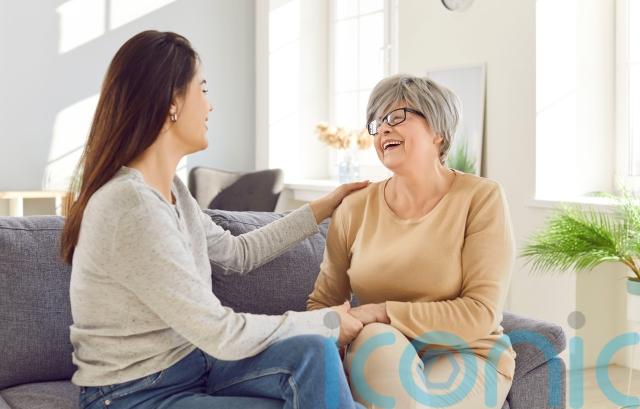
“Frame the discussion as future planning,” advises Wardle. “Give them some reassurance and say this doesn’t need to happen right now. So again, it’s all about giving the person the choice and involving them in the decision-making process.”
Ask open questions
“Don’t make statements about what you think they need,” says Wardle. “Instead, try to include them and ask them questions like, what tasks around the house do you need help with?”
Use collaborative language
“Try to use language that’s collaborative and promotes independence and dignity, rather than things that might be seen as infantilising,” suggests Wardle. “Try to avoid saying things like ‘you can’t do that anymore, you have to do this’.”
Offer to help with errands

“Offer to help with errands and appointments, but make sure that you include them in this rather than just taking them over,” advises Wardle.
Ask if adaptations in the home might help
“Making small adaptations around the whole home, such as adjusting the lighting and installing grab rails, promotes safety and can help them feel like they still remain independent,” suggest Wardle.
Have regular check-ins
“Check in with them regularly to make sure that they are not feeling lonely or isolated,” advises Wardle.

Subscribe or register today to discover more from DonegalLive.ie
Buy the e-paper of the Donegal Democrat, Donegal People's Press, Donegal Post and Inish Times here for instant access to Donegal's premier news titles.
Keep up with the latest news from Donegal with our daily newsletter featuring the most important stories of the day delivered to your inbox every evening at 5pm.

This publication supports the work of the Press Council of Ireland and Office of the Press Ombudsman, and our staff operate within the Code of Practice of the Press Council. You can obtain a copy of the Code, or contact the Council, at www.presscouncil.ie, Lo-call 1800 208 080 or email: info@presscouncil.ie.