Credit: West Midlands Police
Search


17 Mar 2026

Please allow ads as they help fund our trusted local news content.
Kindly add us to your ad blocker whitelist.
If you want further access to Ireland's best local journalism, consider contributing and/or subscribing to our free daily Newsletter .
Support our mission and join our community now.
To continue reading this article, you can subscribe for as little as €0.50 per week which will also give you access to all of our premium content and archived articles!
Alternatively, you can pay €0.50 per article, capped at €1 per day.
Thank you for supporting Ireland's best local journalism!


A 33-year-old woman from London has spoken about the terrifying experience of passing blood clots “the size of a golf ball” during her decade-long struggle with endometriosis.
Sana Kardar, who works as a research fellow focusing on cervical and breast cancer screening, was first diagnosed with the condition in 2015 and said that the severity of her symptoms has left her with a phobia of blood.
“After my official diagnosis of endometriosis, I was on all kinds of hormonal tablets and injections, whatever they could give me, but nothing helped stop the bleeding,” Sana told PA Real Life.
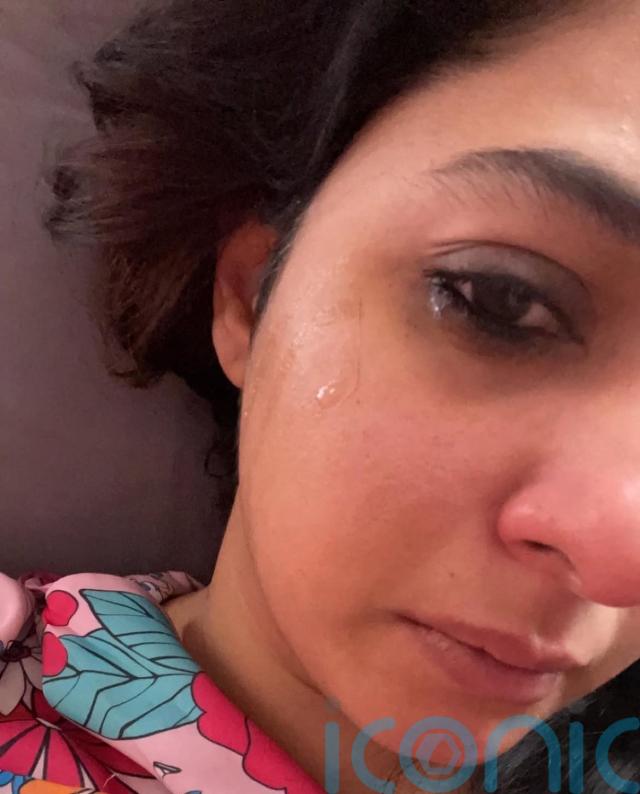
“I kept on bleeding to a point where I was passing out clots the size of a golf ball and sometimes my toilet would look like a murder scene.
“I have worked with live cells, human blood and other bodily fluids, but the amount of blood I see on a regular basis has now made me phobic. Even if I have a little cut on my finger and there is blood, I feel dizzy.”
Endometriosis occurs when cells similar to the ones in the lining of the womb (uterus) are found elsewhere in the body, according to Endometriosis UK. These cells can grow and change in response to hormones in the menstrual cycle, this can cause inflammation, pain and scar tissue.
Growing up, Sana felt an expectation to put on a brave face about her heavy periods.
“I first started having my period in year 8 and would have periods for eight days – and it would be heavy from day one to day eight,” shared Sana.
“It was really painful when I had to travel, but everyone just shuts women and girls down and says ‘oh it’s just a bad period, take paracetamol or ibuprofen’.
“At school it was hard when I was going through PMS and had to concentrate. Bleeding so much really affected my energy levels, but I still had to put on a brave face and continue.”
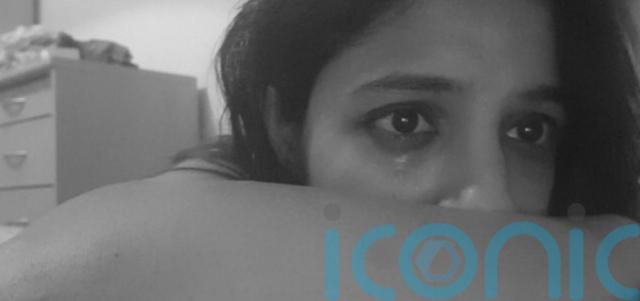
Recent research by Bodyform and Perspectus shows that while many women experience these challenges, they often don’t feel confident enough to talk about them.
A survey of 1,008 UK women aged 18–50 found that 87% have a heavy period every month, and nearly half (48%) said it leaves them feeling mentally drained or stressed.
Despite millions being affected, the stigma persists. Only 16% of women reported that they felt able to discuss their symptoms openly with their manager, and a quarter (25%) said they didn’t feel comfortable talking about them with family.
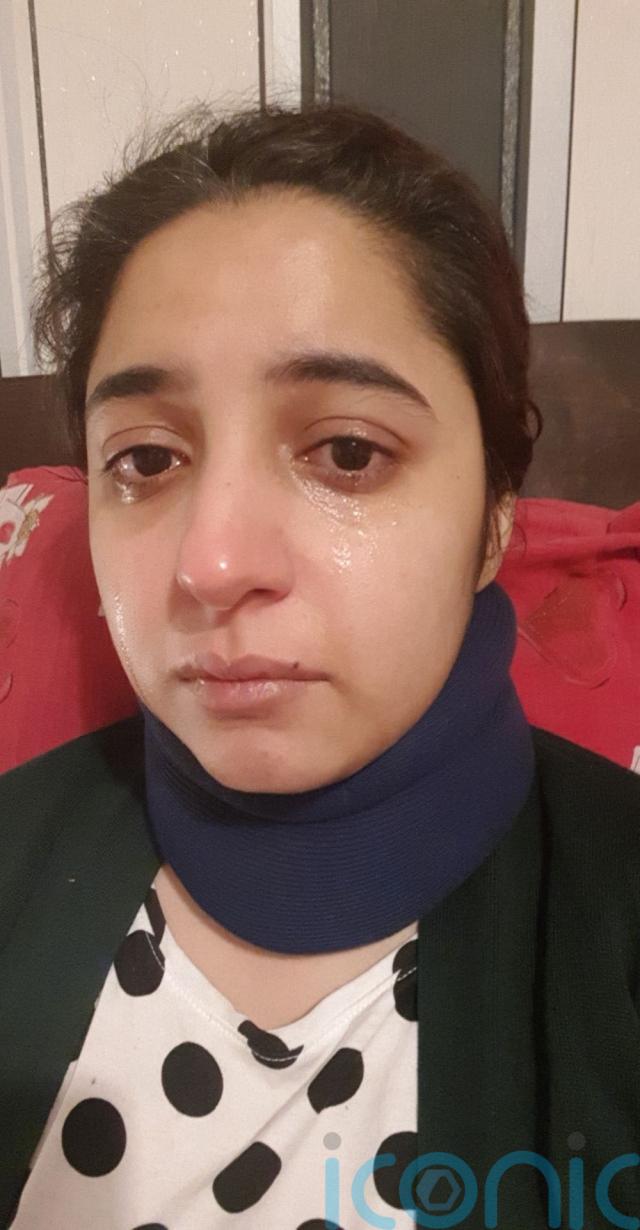
Sana said that in her culture, periods and women’s health are still widely considered taboo.
“Coming from a South Asian background, periods and women’s health are still a massive taboo. You can’t discuss it openly,” said Sana.
“I’m glad that I come from a family where it wasn’t considered a taboo, but I couldn’t tell somebody else outside of my immediate family.
“I feel like we have to put on this facade where we can’t tell anyone that we are menstruating or in pain, which took a massive toll on my physical and mental health.”
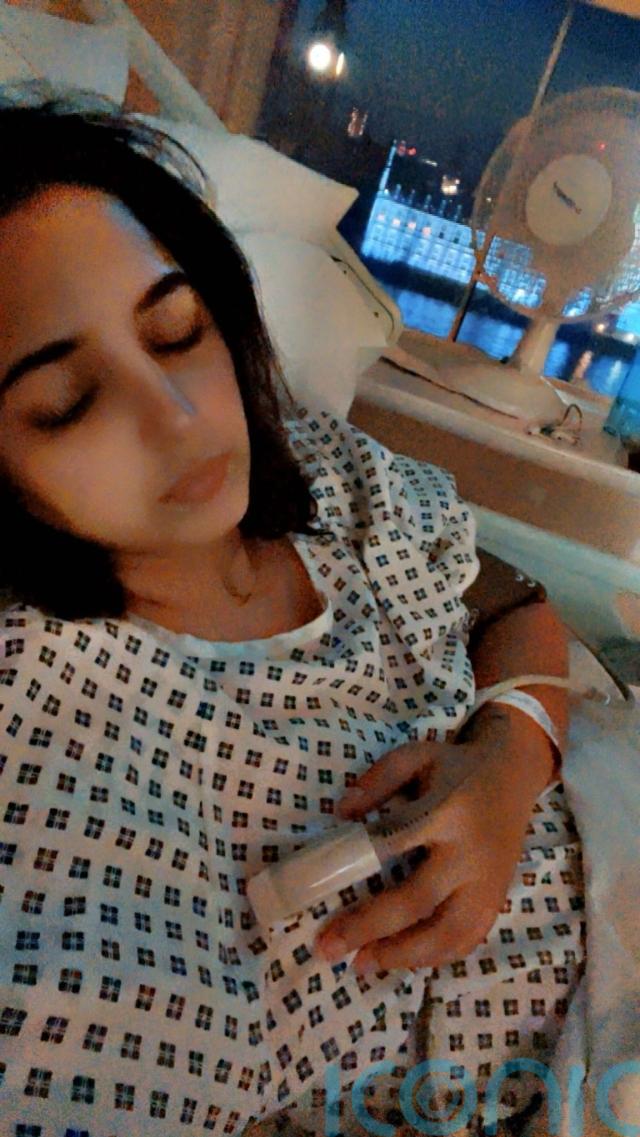
A scary experience during her second year of university prompted her to push for answers.
“In 2014 after my father passed away, I suddenly had a pain in my right ovary area,” said Sana. “I went to see the GP and they said that it could be a cyst. They also said my other symptoms made it look like I may have endometriosis and I had never heard that word before.
“A couple of months later, I was walking from my university back home, and my leg kind of locked. I was in the middle of the road and I couldn’t move my leg and had to call somebody to come and help move me to the side of the road. It’s scary because I had been very athletic. I used to play squash professionally and had never felt this kind of pain and locking before.”
Over the years, Sana has consulted numerous specialists and has undergone four surgeries for her endometriosis so far with a fifth planned for December. However, she said she has received conflicting guidance about the cause of her pain and the treatments that might offer relief.
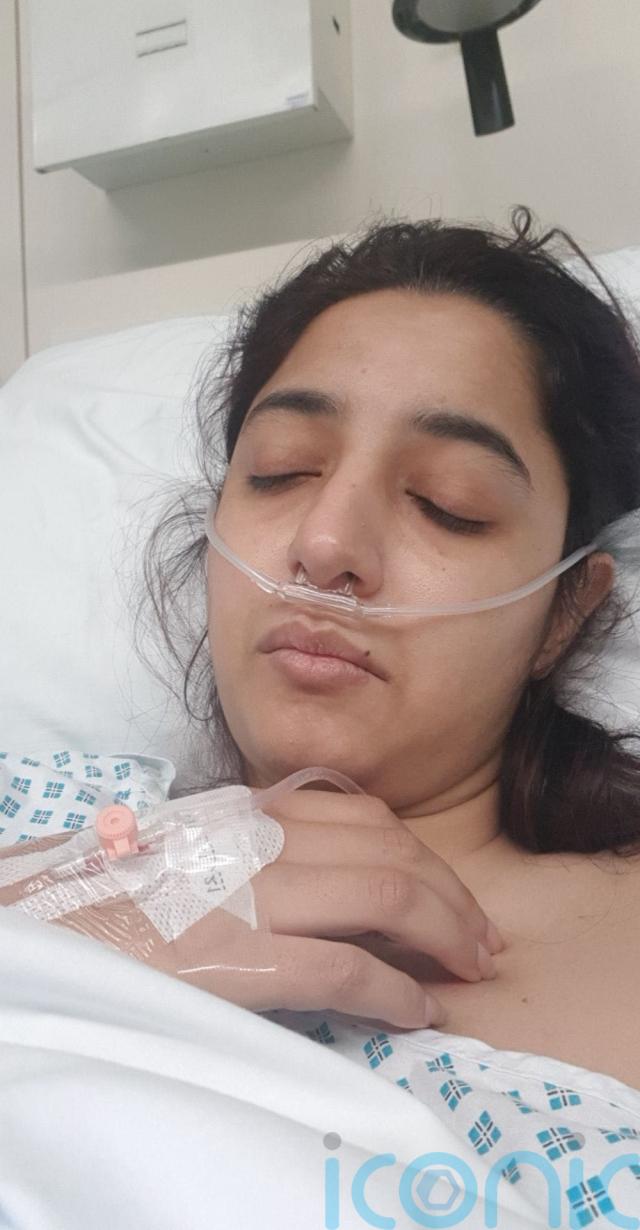
One difficult conversation with a female health professional, which made her lose all hope, particularly sticks in her mind.
“At 21 I saw this doctor and the first thing she tells me is that there are some pains you have to learn to live with,” said Sana.
“That’s one quotation that I can’t get out of my head. I was in my final year of college and I had dreams to do things, and I was told that you have to learn to live with it.
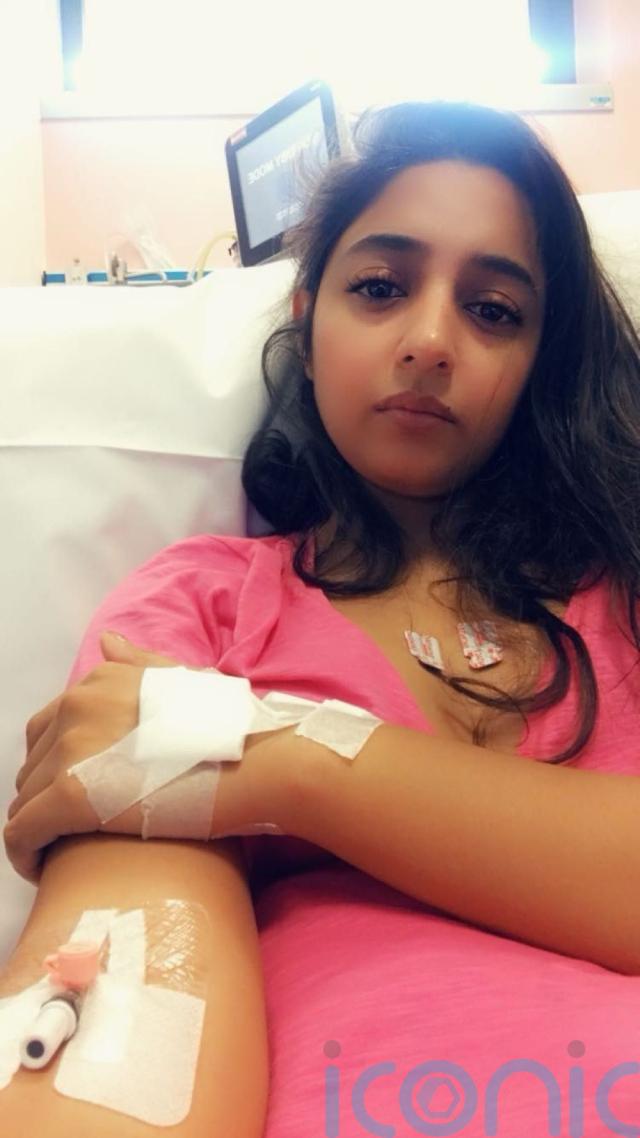
“That’s when I had to take a break from college because I was already dealing with mental health issues because of my father’s death and this happened, so I had to take time off. I went into this really, really terrible depression where I was self-harming. I just wanted to end my life and felt like there was no future.”
The condition has affected every facet of her life.
“I think living with a chronic condition is hard because you don’t know where your life’s heading,” said Sana.
“You can’t predict your next movement, like I will be fine for one moment, and then suddenly I’ll be in the foetal position on the floor crying in pain.
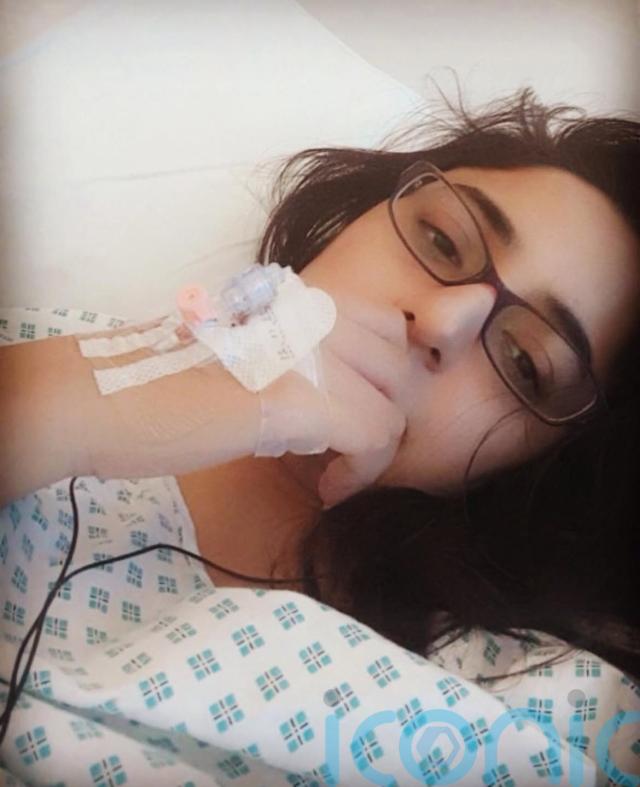
“It does impact you badly, because your mental health and your hormones are so intertwined.”
Amidst all the dark moments, sharing her story on Facebook and Instagram, under the handle The EndoMentalist, and helping other women going through similar issues has helped give Sana a sense of purpose.
What started off as a rant on social media when her second surgery got delayed because of the pandemic has developed into a large online community.
“A lot of women from around the world got in touch with me and said my posts summed up the pain and everything that they felt,” said Sana. “It started off as an endometriosis group, but now we talk about everything women health related.
“For me, it was very important to share my journey and to debunk any myths around the condition and to create awareness and to educate not just the people who have endometriosis, but the people around them as well.”
Her message to other women going through a similar journey is to keep fighting and to not give up.
“Keep advocating for yourself and remember that you know your body way better than anyone else,” said Sana.
“When you go to your GP, you only have 10 minutes and you can only talk about one condition, so I would recommend listing your top three symptoms that you really want them to hear about.
“I think that it’s very important that I am advocating for myself, as I hope I am making it easier for the next generation.”

Subscribe or register today to discover more from DonegalLive.ie
Buy the e-paper of the Donegal Democrat, Donegal People's Press, Donegal Post and Inish Times here for instant access to Donegal's premier news titles.
Keep up with the latest news from Donegal with our daily newsletter featuring the most important stories of the day delivered to your inbox every evening at 5pm.

This publication supports the work of the Press Council of Ireland and Office of the Press Ombudsman, and our staff operate within the Code of Practice of the Press Council. You can obtain a copy of the Code, or contact the Council, at www.presscouncil.ie, Lo-call 1800 208 080 or email: info@presscouncil.ie.