Search


21 Mar 2026
Search
21 Mar 2026

Please allow ads as they help fund our trusted local news content.
Kindly add us to your ad blocker whitelist.
If you want further access to Ireland's best local journalism, consider contributing and/or subscribing to our free daily Newsletter .
Support our mission and join our community now.
To continue reading this article, you can subscribe for as little as €0.50 per week which will also give you access to all of our premium content and archived articles!
Alternatively, you can pay €0.50 per article, capped at €1 per day.
Thank you for supporting Ireland's best local journalism!


An eye surgeon, who has spent his career preserving others’ sight, was “devastated” when diagnosed with an inflammatory eye condition and cataracts, fearing blindness and the loss of his “career, income, and family’s security”.
Mfazo Hove, a consultant ophthalmologist based in London, found out he had acute anterior uveitis, inflammation inside part of the eye, on his birthday on January 9 2019 after experiencing excruciating pain in his eye and “unbearable” sensitivity to light.
The 48-year-old father-of-two said he had told “countless patients over the years that it can happen to anyone” – and then it happened to him, leaving him “devastated”.
Mfazo’s job as an eye surgeon relied on him having flawless vision, and it was imperative that he spent his days working with precision and control, so he feared he would lose his career and income if his sight deteriorated.
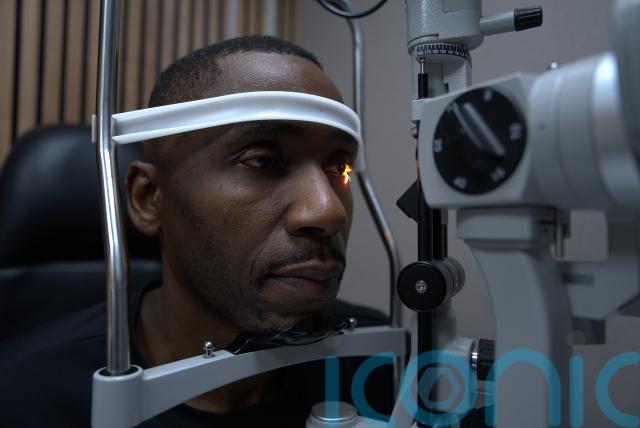
When he was later diagnosed with cataracts, where the lens in the eye becomes cloudy, causing blurred vision and loss of sight, in the left eye in November 2023 and the right eye in March 2024, this threatened his vision further.
Luckily, however, he was able to undergo cataract surgery on April 3 2024, performed by a colleague, to save his sight – and he said the results were immediate, adding: “It was like the world came back in HD.”
He told PA Real Life: “As an ophthalmic surgeon, I knew immediately what the worst-case scenario was. I knew that uncontrolled inflammation could permanently damage my eye, and that there was a very real risk I could lose my sight.
“Hearing that possibility spoken out loud was devastating.
“I had spent seven years in medical school and completed more than 10,000 hours of training, and it suddenly felt like all of that could go up in smoke.
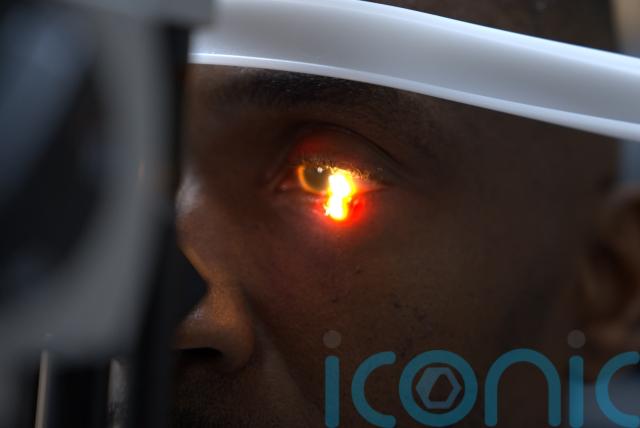
“I’d spent my entire career helping people avoid blindness, and then I was confronting it myself. In that moment, I wasn’t thinking like a doctor. I was thinking about my career, my income, and how I would support my family if I couldn’t operate again.”
According to Moorfields Eye Hospital NHS Foundation Trust, anterior uveitis affects the front of the eye, usually the iris, and is the most common type of uveitis.
It can affect one or both eyes, depending on the cause, and Mfazo said he had diagnosed many patients with the condition over the years.
Anterior uveitis symptoms include: an aching, painful, red eye; blurred or cloudy vision; a small pupil or a distortion of the shape of the pupil; sensitivity to light and headaches.
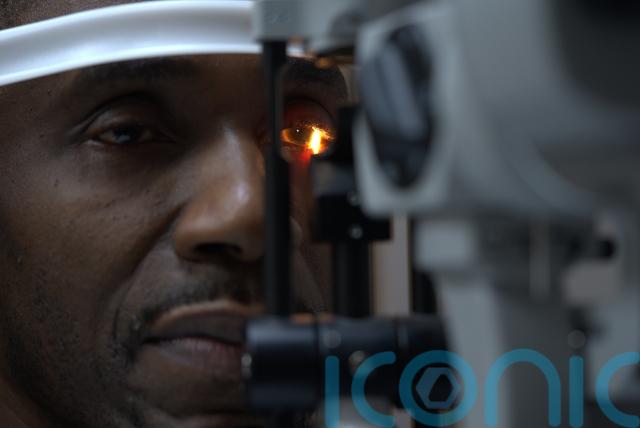
Mfazo said he had experienced perfect vision his whole life, until on January 9 2019 he suddenly started experiencing pain in his eyes.
“I was in eye casualty when the pain started,” he said.
“The light was unbearable. I knew immediately that something was wrong.”
The most common uveitis treatment is steroid medicine, known as corticosteroid, which can help to reduce the inflammation, and eye drops can relieve any pain, Moorfields Eye Hospital NHS Foundation Trust says.
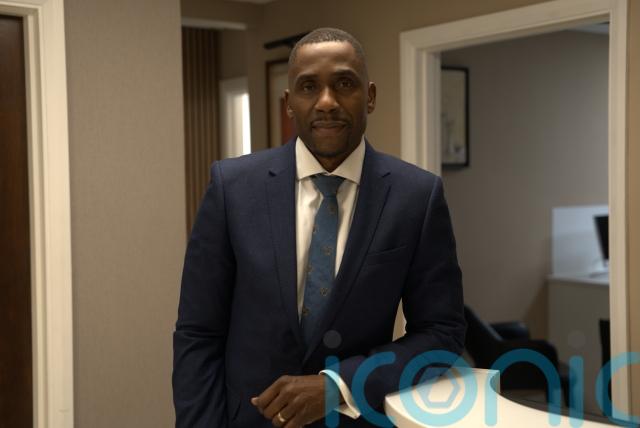
Complications of uveitis, however, can include permanent deterioration in vision, glaucoma, cataract, retinal damage and macular swelling, among others.
Colleagues later confirmed Mfazo was experiencing acute anterior uveitis – and although he treated the condition with prolonged courses of steroid drops, he said his symptoms returned repeatedly over the following five years.
“I spent months at a time treating flare-ups, never knowing when the next one would come,” he explained.
Mfazo was then dealt another blow, as during a routine examination in November 2023 a colleague diagnosed him with cataracts.
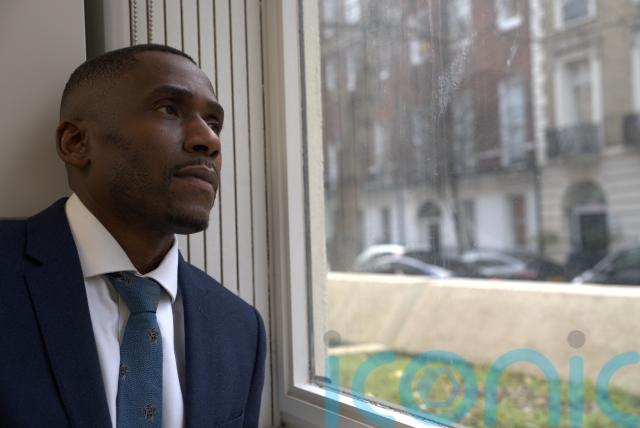
He was first diagnosed with cataracts in his right eye, then later in his left.
“I remember thinking, how can this be happening to me?” he said.
“I’m the surgeon. I’m the one who treats this.”
As his vision deteriorated, he was left facing the possibility that his career would be over.
“If my eyesight dropped below the required standard, I wouldn’t be allowed to operate,” he continued.
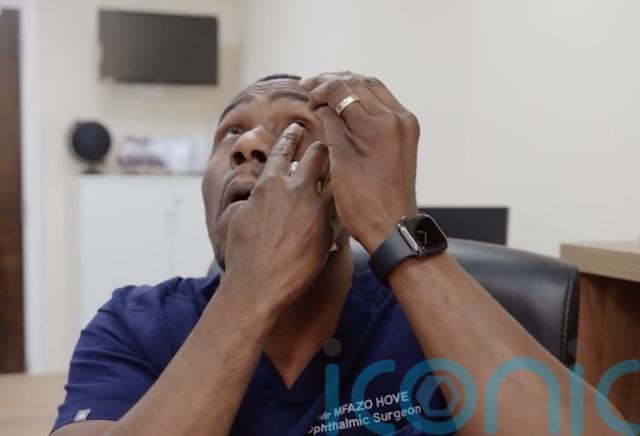
“And if I couldn’t operate, I couldn’t earn.”
While cataract surgery – an operation to replace a cloudy lens in the eye with an artificial lens – is common, complications can occur.
For Mfazo, who needed to undergo the surgery on both eyes, just one problem in one eye would have ended his surgical career.
He said: “I’m the breadwinner in my household. Everything was on the line for my family.
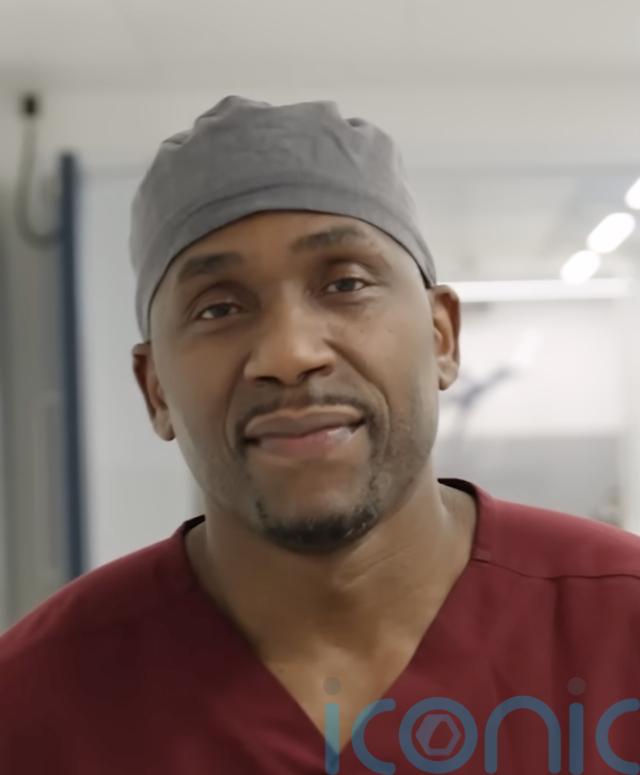
“My vision is my tool. If that went, my career, my income and my family’s security went with it.”
He eventually underwent cataract surgery on both eyes under the care of his colleague, ophthalmologist Mr Mukhtar Bizrah, in April 2024.
He opted for a ZEISS trifocal intraocular lens – an advanced artificial lens implanted during cataract surgery to replace the eye’s natural lens – a technology he had recommended to patients for years.
Unlike standard lenses, which typically restore vision at one distance only, trifocal lenses are engineered to provide clear vision at three ranges – near, intermediate and distance – reducing or eliminating the need for glasses for most everyday activities such as reading, computer work and driving.
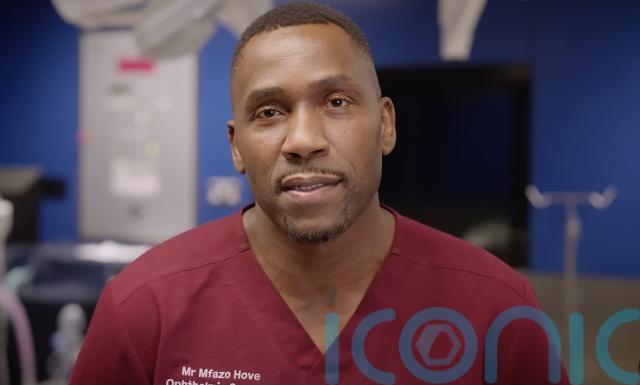
“I’ve put it in thousands of patients’ eyes and I wanted the best,” Mfazo said.
“My vision has been pretty amazing since. It was like the world came back in high definition.
“My left eye was perfect. My right eye was about minus 0.25. That’s the dream result.”
Just 10 days after surgery, he returned to the operating theatre.
However, there were some early visual side-effects, which he expected.
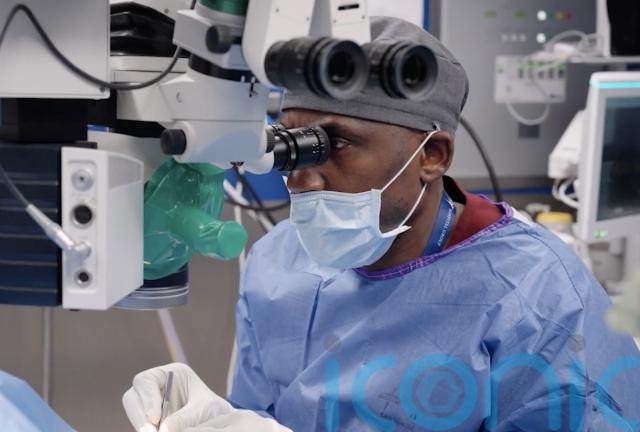
He said: “I remember being in Dubai shortly afterwards and noticing rings around car lights at night, but the colours were so vivid and my vision was so clear, I barely cared – and within weeks, the halos faded.
“I will say, when I do laser surgery, I now need more brightness, but beyond that, there’s nothing. It’s been fantastic and the biggest transformation.”
He added: “The clarity was extraordinary.
“This surgery didn’t just restore my sight. It allowed me to keep working, to keep providing, to keep being there for my family and to continue caring for my patients.”
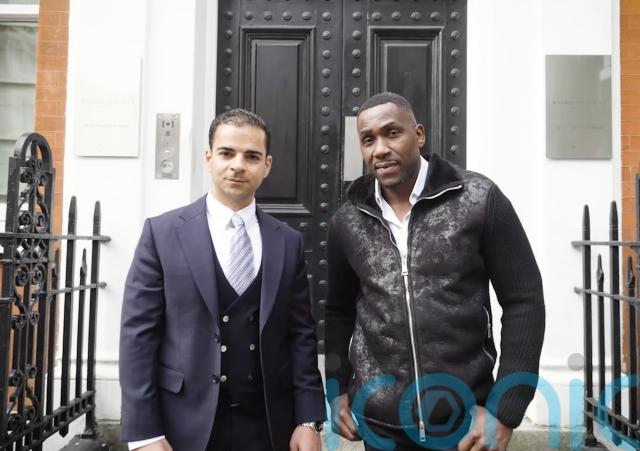
Between April and September 2024, Mfazo said he performed more than 2,000 cataract procedures without a single intra-operative complication, one of the strongest periods of his career.
He has now carried out more than 55,000 intra-ocular and refractive procedures – eye surgeries to restore and correct vision – in total.
Mfazo, the founder of Blue Fin Vision, a leading consultant-led eye surgery group based at London’s Harley Street, said a woman came to a clinic for a consultation with a surprising request one day.
“She said, ‘I’ve looked online, you’ve had the surgery’, and then she proceeded to take a needle and thread out of her bag,” he said.
“She said, ‘thread it for me. I need to know you can thread the needle, and then I’ll have the surgery’.
“I did it easily and she was very happy, because why would you go to a surgeon for laser eye surgery who is wearing glasses? It’s a contradiction in terms.
“It’s massively reassuring (to patients) that you believe in this technology.”

Mfazo said he loves his job due to the way he can instantly transform his patients’ sight, and in doing so, improve their lives.
He said: “The best bit about what I do is the transformative, immediate difference.
“I had a patient who came to me the other day… she could not see anything without glasses.
“I gave her laser eye surgery and she left the theatre in tears being able to see for the first time without glasses.”
Now, 20 months since the cataract surgery, Mfazo said the relief and effects remain profound.
“For a long time, I feared losing everything,” he said.
“This gave me back my livelihood. My whole family is indebted.”
To find out more about Blue Fin Vision, visit: bluefinvision.com.

Subscribe or register today to discover more from DonegalLive.ie
Buy the e-paper of the Donegal Democrat, Donegal People's Press, Donegal Post and Inish Times here for instant access to Donegal's premier news titles.
Keep up with the latest news from Donegal with our daily newsletter featuring the most important stories of the day delivered to your inbox every evening at 5pm.

This publication supports the work of the Press Council of Ireland and Office of the Press Ombudsman, and our staff operate within the Code of Practice of the Press Council. You can obtain a copy of the Code, or contact the Council, at www.presscouncil.ie, Lo-call 1800 208 080 or email: info@presscouncil.ie.