Search


22 Apr 2026
Search
22 Apr 2026

Please allow ads as they help fund our trusted local news content.
Kindly add us to your ad blocker whitelist.
If you want further access to Ireland's best local journalism, consider contributing and/or subscribing to our free daily Newsletter .
Support our mission and join our community now.
To continue reading this article, you can subscribe for as little as €0.50 per week which will also give you access to all of our premium content and archived articles!
Alternatively, you can pay €0.50 per article, capped at €1 per day.
Thank you for supporting Ireland's best local journalism!


A 27-year-old woman who initially went to her doctor with bloating and hip pain had to wait up to a year for a hospital referral, by which point she was diagnosed with stage 4 cholangiocarcinoma, also known as “bile duct cancer”.
Tamara Mulley, now 29, who lives in London and works at Heathrow Airport, said doctors initially thought she had “something like endometriosis” in February 2023 so she was referred to a gynaecologist.
But by the time the appointment came around 10 months later in December 2023, Tamara said she experienced a “really bad cough”, fatigue, and weight loss, before she was diagnosed with cancer a month later.
She said she felt “helpless” to be told that she had “two years to live” in January 2024, but that beating that “milestone” last month was a “real moment” for her, which has motivated her to share her story.
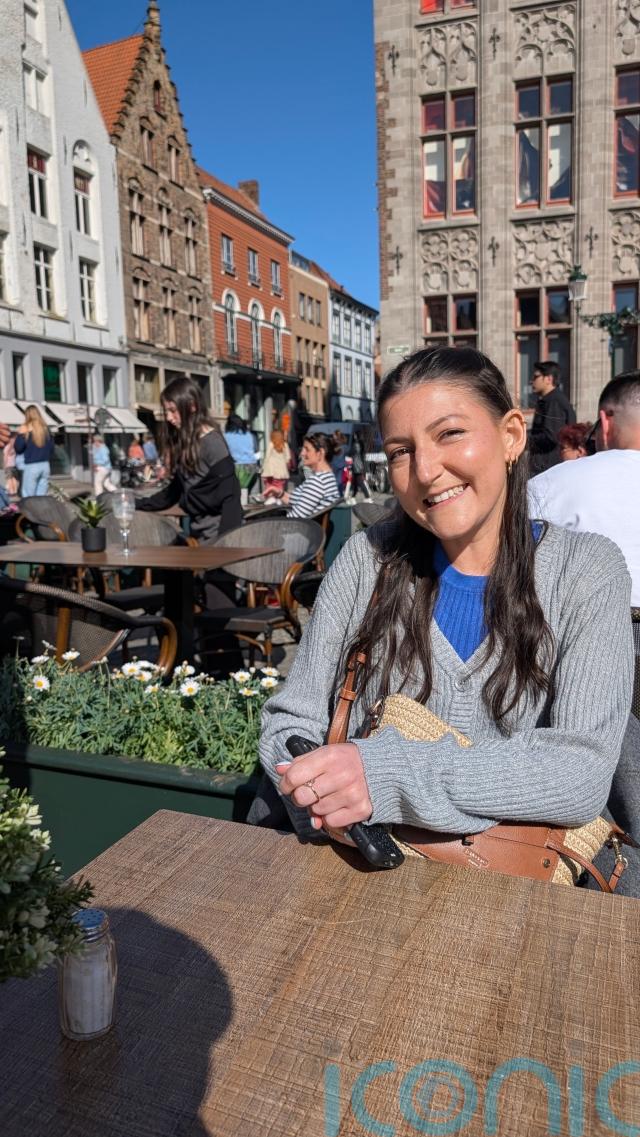
Tamara said she first experienced bloating when she was 16, which she told doctors about numerous times over the years. When she suddenly started experiencing hip pain and fatigue in January 2023, Tamara said she initially thought she had “niggled” herself in the gym.
By February, Tamara said she went to her doctor because the hip pain was not getting any better. This is how she said she came to start physiotherapy and get a gynaecology referral, but was not told how long the wait might be for the latter.
Over the next few months, Tamara said she chased the appointment “a couple of times” while her hip pain worsened to the point she needed to go to an emergency GP in October to get pain relief.
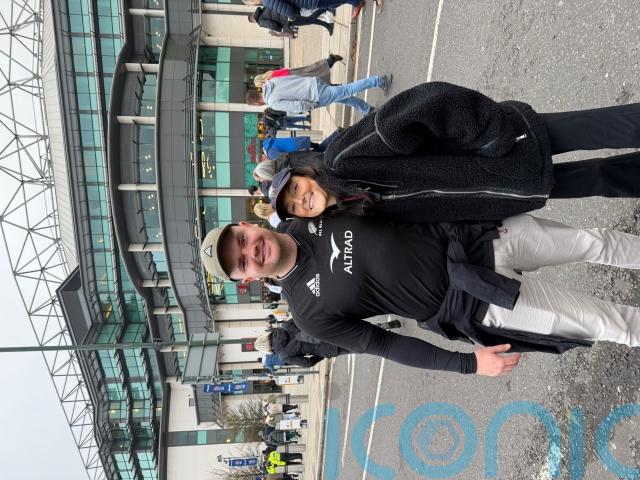
Tamara told PA Real Life: “It wasn’t until December of 2023 that I got a really bad cough and the symptoms from that really floored me, more than I’d ever been impacted by a cough before. Normally, you can get on with your life, but I was feeling really fatigued.
“I couldn’t stand up for a long period of time at work and if I was going to someone else’s desk, I would have to sit down. And I just thought, ‘this isn’t normal’.”
Tamara said her GP did not have any available appointments, but when she mentioned she was feeling “breathless”, they encouraged her to go to A&E.
During this visit on a Friday night, Tamara said doctors did an X-ray that revealed a “little shadow”, and they encouraged her to come back on Monday to investigate it with a CT scan.
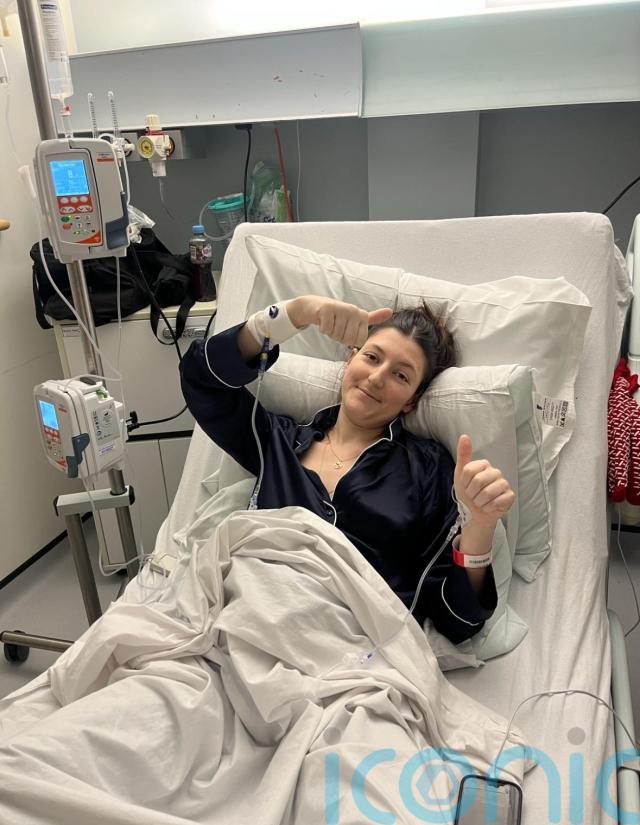
“It was at that appointment that I started to think that this could be something like cancer,” Tamara said, but doctors still were not completely sure.
She said her suspicions heightened when she got a phone call a few days later telling her to go into The Cancer Centre at Guy’s Hospital in London for a PET scan, but urging her not to worry, as it did not automatically mean she had cancer.
It was around this time that Tamara said she was finally due to have her gynaecology hospital appointment – 10 months after first requesting it – but she ultimately decided to stick with her ongoing medical investigations.
Finally, on December 23, Tamara said she got her stage 4 cancer diagnosis: “[The scans] showed that the cancer had already spread to my hip, my spine, my collarbone, multiple tumours in my lungs and quite a large tumour in my liver, among other places.”
“When I saw [the scans], it lit up like a Christmas tree. It was just kind of everywhere,” she said.
Tamara said doctors did not know where her cancer originated from so they could not come up with a treatment plan until she had a lung biopsy on December 27, and she got the results in the third week of January 2024.
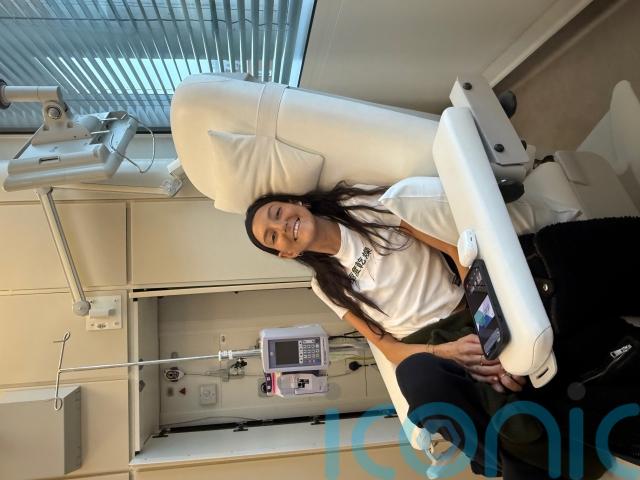
Tamara described this wait as the “hardest time” of her whole cancer journey because she felt “quite anxious” that it would grow or get worse.
During her January appointment with a consultant, Tamara said she found out her cancer was called cholangiocarcinoma (originating from her bile duct), it was “incurable”, and she was told “you’ll be lucky if you’re sitting here in two years”.
According to the NHS, the main symptoms of cholangiocarcinoma are jaundice, itchy skin, darker pee and paler poo than usual, loss of appetite, unexplained weight loss, fatigue, and a high temperature, but Tamara only had two of these – weight loss and fatigue.

Starting on immunotherapy and initially eight rounds of chemotherapy, Tamara said she responded well to the latter so it was extended to 15 rounds, which doctors told her bought her an extra six months.
She said she did not lose her hair, which she was “so thankful” for, but she needed blood transfusions due to severe fatigue.
Despite this, Tamara said she was able to continue to still do things that she loved, like go to work to keep her mind occupied or out to dinner with friends.
After chemotherapy stopped working for Tamara, she said she is “lucky enough” to currently be on a clinical trial called First-308, which is targeted therapy that she said “actually started to shrink” some of her tumours.

On out-living predictions about her health, Tamara said: “Passing that two-year mark was a real moment for me and one that I’m really proud of achieving. It goes to show that, although there’s still a huge amount of work to be done with cholangiocarcinoma – because it’s under researched and underfunded – there is hope. My ultimate hope is for a cure to be found.
“I like to say that, within my bubble of unluckiness, I am the luckiest person in the world. I’m so thankful for the amazing medical teams who’ve been in charge of my care and that I have outlived that initial expectation. My focus now is just to continue with that.
“I always say to my doctor, you only need to keep me alive long enough for the next drug to come out, for the next discovery to be made. And hopefully, if you do that enough times, at some point they’re going to find a cure. I’m realistic about my situation, but I choose to remain positive.”
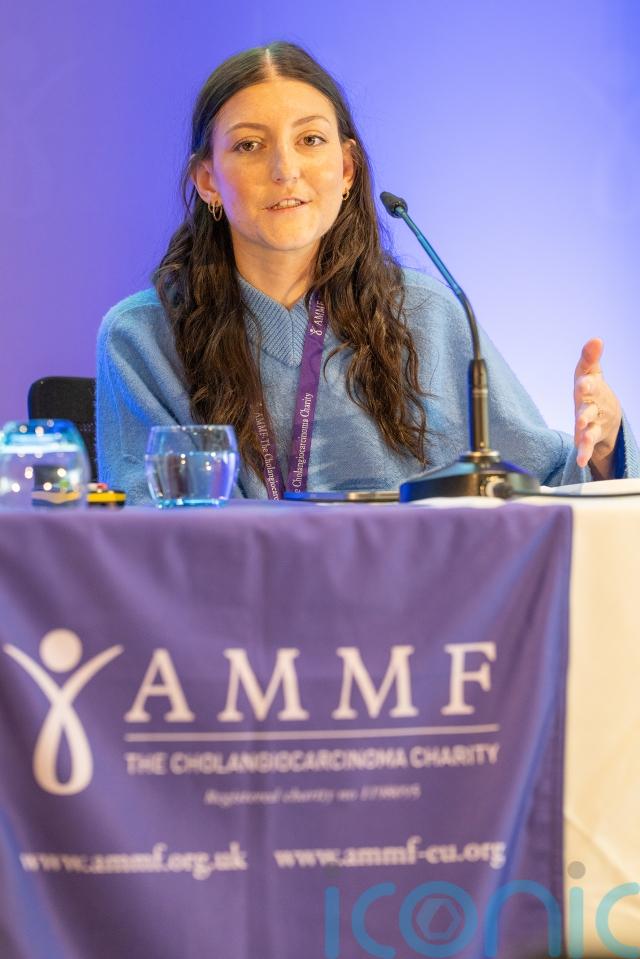
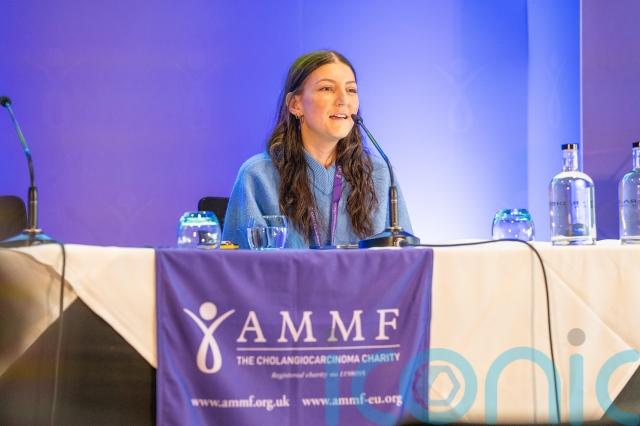
Tamara is supported by AMMF, which is the UK’s only registered charity dedicated to raising funds for research into cholangiocarcinoma.
She attended the charity’s annual conference last year, where she shared her diagnosis and treatment story, and she will be travelling to the House of Commons with AMMF to meet MPs and NHS leaders at a Rethink Liver Cancer meeting on February 25.
“Too many people with cholangiocarcinoma are diagnosed (when) it’s already stage four, and at that point it is too late,” Tamara said.
“However, if it is found at stage one or stage two, it is survivable.”

According to data published by NHS England’s National Disease Registration Service, two thirds of patients with cholangiocarcinoma in England do not receive any cancer treatment.
Tamara added: “I’m really passionate that anyone who gets diagnosed with this in the future is not essentially handed a death sentence, and that they are given an opportunity to access the right treatment at the right time, to give them the best possible outlook.”
For more information about AMMF, visit their website here.

Subscribe or register today to discover more from DonegalLive.ie
Buy the e-paper of the Donegal Democrat, Donegal People's Press, Donegal Post and Inish Times here for instant access to Donegal's premier news titles.
Keep up with the latest news from Donegal with our daily newsletter featuring the most important stories of the day delivered to your inbox every evening at 5pm.

This publication supports the work of the Press Council of Ireland and Office of the Press Ombudsman, and our staff operate within the Code of Practice of the Press Council. You can obtain a copy of the Code, or contact the Council, at www.presscouncil.ie, Lo-call 1800 208 080 or email: info@presscouncil.ie.